U.S. Imposes 50% Tariff on Canadian Goods
The new duties target products including wine and spirits, threatening higher costs before the fall buying season.
Tuesday, July 28, 2026
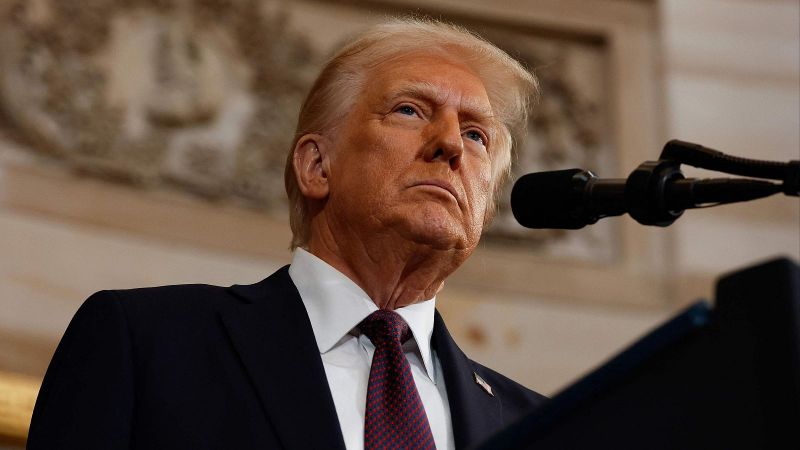
The United States has moved to impose an additional 50% tariff on a broad range of Canadian goods, including alcoholic beverages and products listed under wine tariff lines, in a sharp escalation of the trade fight between the two countries and in a step that could ripple through the U.S. drinks market before the fall buying season.
The new duties were set out in three presidential proclamations signed on July 20 and are scheduled to apply to covered goods entered for consumption on or after 12:01 a.m. Eastern time on Aug. 19, according to a legal analysis published Monday by the law firm BLG. The measures are framed around motor vehicles, alcoholic beverages and dairy, but the annexes extend much further, covering products from wine and furniture to textiles, machinery and other consumer goods.
BLG said the tariffs rely on Section 338 of the Tariff Act of 1930, a Depression-era provision that, by its account, has never previously been used to impose tariffs in modern practice. The law allows the president to levy duties of as much as 50% on imports from a country found to be discriminating against U.S. commerce.
The White House has described the action as a response to what it calls Canadian discrimination against American exports. BLG said the administration’s fact sheet ties the move to Canadian measures affecting autos, alcohol and dairy, including decisions by provincial liquor authorities that removed U.S. alcohol from public shelves during the broader tariff dispute.
The new tariffs would apply regardless of whether goods qualify as originating under the United States-Mexico-Canada Agreement, or CUSMA as it is known in Canada. That is a major change for importers because CUSMA compliance had shielded many Canadian goods from earlier rounds of tariffs. Under this new action, BLG said, that origin protection does not apply to covered products.
For wine and other beverages, that detail matters. Importers that had relied on trade agreement rules to avoid extra duties may now face a direct cost increase if their products fall within the listed tariff lines. That could raise landed costs for Canadian wine and other alcoholic beverages sold in the United States, pressure margins for importers and distributors, and force changes in pricing, sourcing and logistics across the beverage supply chain. The effect will depend on final product classification, contract terms and whether companies can move shipments before the Aug. 19 start date.
BLG said the three proclamations together cover roughly US$20 billion in annual Canadian imports, based on U.S. government figures. That would represent just over 5% of the roughly US$380 billion in goods that U.S. private buyers and public procurement authorities purchase from Canadian exporters each year.
The latest move comes after nearly two years of widening trade friction. The current dispute began in late 2024 when the incoming U.S. administration announced plans for a 25% tariff on Canadian and Mexican goods tied to fentanyl and border concerns. In February 2025, President Trump signed an executive order imposing 25% tariffs on nearly all Canadian goods under the International Emergency Economic Powers Act, with a lower 10% rate for certain energy resources. Those tariffs took effect on March 4, 2025, after a temporary suspension.
Soon after, goods qualifying for preferential treatment under CUSMA were exempted from those tariffs. That exemption turned origin certification into an urgent issue for many companies because products that had often entered under normal most-favored-nation rates without claiming preference suddenly needed documentation to avoid a 25% duty.
At the same time, the administration built out sector-specific tariffs under Section 232 of the Trade Expansion Act of 1962 on steel and aluminum, automobiles and parts, copper, medium- and heavy-duty vehicles, timber and lumber, and pharmaceuticals. BLG noted that those Section 232 measures did not carry a standing exemption for CUSMA-compliant goods.
In February 2026, the U.S. Supreme Court ruled in Learning Resources v. Trump that IEEPA did not authorize broad-based import tariffs, striking down a central part of the earlier tariff structure. BLG said that decision left open questions about refunds for businesses that had already paid those duties. After that ruling, the administration turned to other legal tools, including temporary across-the-board tariffs under Section 122 of the Trade Act of 1974 and targeted actions under Section 301.
Section 338 now appears to be the newest instrument in that sequence. BLG said it differs from Section 301 because it does not require the same investigation and consultation process before duties are imposed. The law also contains an escalation mechanism more severe than a higher tariff rate: if discrimination is found to continue or worsen after duties are imposed, it allows for exclusion of that country’s products from importation altogether.
Canada has already responded to earlier U.S. tariffs with countermeasures of its own. On March 4, 2025, Ottawa imposed 25% retaliatory tariffs on C$30 billion worth of U.S.-origin goods, including food products, wine, spirits and beer, while planning broader coverage that could have reached C$155 billion. It later added C$29.8 billion in counter-tariffs tied to U.S. steel and aluminum measures and imposed surtaxes on certain non-CUSMA-compliant U.S. vehicles and parts.
Canada also paired retaliation with remission programs designed to help businesses where inputs could not be sourced domestically or from non-U.S. suppliers or where economic harm was severe. BLG said those relief measures included support for manufacturing inputs, food and beverage packaging and public health needs.
In September 2025, Canada removed retaliatory tariffs on CUSMA-covered U.S. goods, which BLG said accounted for roughly 90% of U.S. imports by coverage, while keeping countermeasures tied to steel, aluminum and autos in place. Provincial liquor boards across Canada also delisted U.S. alcohol from public shelves, one of the actions now cited by Washington in its alcohol proclamation.
The legal basis for the new U.S. action is likely to be challenged. BLG argued that Section 338 raises several unresolved questions, including how “discrimination” should be defined in a modern trade system shaped by multilateral rules and free-trade agreements; whether lawful countermeasures can count as discrimination under a statute written in 1930; whether some role for the U.S. International Trade Commission was required before presidential action; and whether a flat 50% tariff matches the law’s stated purpose of offsetting harm to U.S. commerce.
BLG also said there is an argument that Section 338 has effectively been overtaken by later trade laws such as Section 301, which covers foreign practices burdening U.S. commerce but requires formal findings and consultations before action is taken.
Trade lawyers expect litigation in U.S. courts as well as challenges under international trade rules. BLG said tariffs of this scale on Canadian goods would conflict with U.S. commitments under CUSMA and exceed bound tariff rates under the General Agreement on Tariffs and Trade if applied as described. Canada already has pending consultations at the World Trade Organization over earlier measures and could also pursue dispute settlement under CUSMA Chapter 31.
Still, legal remedies are unlikely to arrive quickly enough to help companies making immediate shipping decisions for late summer and early fall deliveries. For beverage companies especially, timing matters because duties attach based on entry for consumption rather than order date or shipment date alone. Goods entered before Aug. 19 would avoid the new tariff; those entered afterward could face it in full if they are covered by the annexes.
That creates immediate pressure for importers of Canadian wine and other drinks sold in the United States to review product classifications at the tariff-line level, accelerate customs entries where possible and revisit contracts that determine who bears duty costs. In beverage distribution, where margins can already be thin and pricing often must be set weeks or months ahead of delivery, even temporary uncertainty can disrupt purchasing plans.
The exclusions built into the proclamations may limit some effects but not eliminate them. BLG said energy, potash, critical minerals, fish and goods already subject to Section 232 duties are excluded from Section 338 treatment. That means some major Canadian export categories are spared because they are already covered elsewhere under existing tariffs rather than because they received special relief here.
The broader political context remains tense. Earlier this month, during the first joint review of CUSMA, the United States declined to renew the agreement in its current form, though it remains in force for now. BLG said that decision opens rolling annual reviews through the pact’s scheduled sunset in 2036 and turns each new tariff measure into leverage in future negotiations.
For drinks companies operating across North America, that means this is not only a customs issue but also a planning problem with no clear end point yet. If implemented as scheduled, the new tariffs could alter price structures for Canadian beverage imports into the United States just as wholesalers and retailers prepare inventories for year-end sales periods, while also adding another layer of uncertainty to cross-border sourcing decisions throughout wine, beer and spirits distribution channels.