U.K. Court Sentences Wine Executive to Six Years in $99 Million Fine Wine Fraud
Prosecutors said Stephen Burton told investors 25,000 rare bottles backed loans, but Bordeaux Cellars held only 217.
2026-09-09
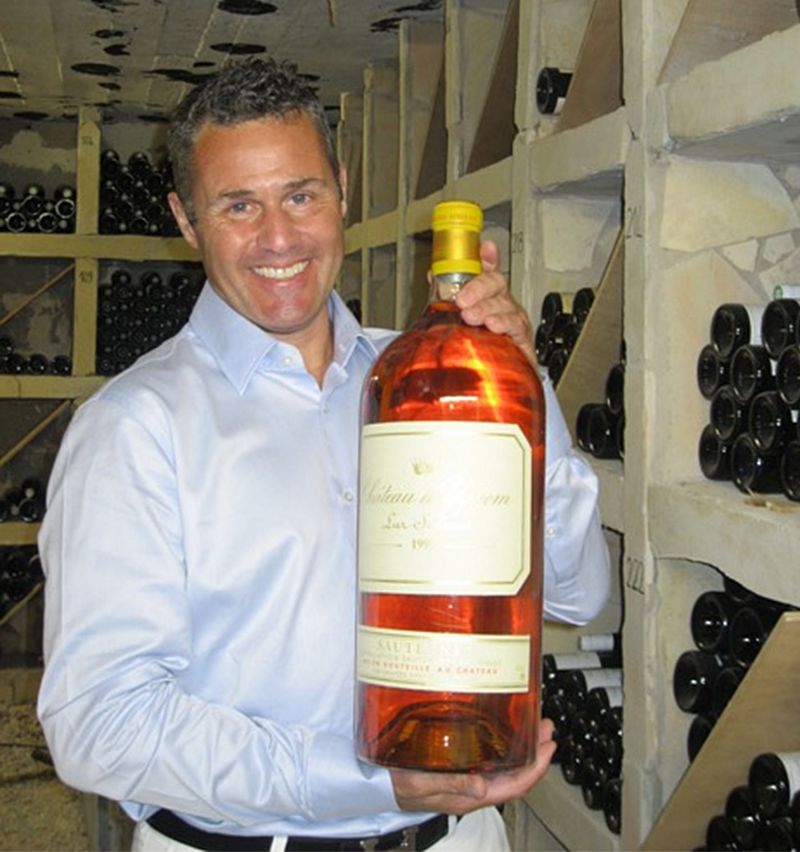
A court in the United Kingdom has sentenced Stephen Burton, founder of the wine distribution company Bordeaux Cellars Ltd, to six years in prison for his role in a $99 million fraud built around investments in fine wines that did not exist.
The sentence marks the latest decision in a case that centered on a scheme Burton and his business associate, James Wellesley, ran between 2017 and 2019. Prosecutors said the two men targeted wealthy investors with a pitch that appeared to offer both high-end assets and strong security. They claimed investor money would be used to fund short-term loans to affluent wine collectors who needed cash, and that those borrowers would pledge valuable wine collections as collateral.
According to the case presented in court, the supposed collections were described as an inventory of more than 25,000 rare bottles. The names attached to those holdings included some of the most sought-after labels in the wine world, among them Domaine de la Romanée-Conti in Burgundy and Château Lafleur in Bordeaux. Those references helped give the offer an air of legitimacy and exclusivity, especially in a market where scarce bottles can command very high prices.
But the wine collections used to support the investment pitch were fictitious. Authorities found that Bordeaux Cellars held no more than 217 actual bottles. The vast stock of prestigious wines that investors were told existed was not there. Instead, the money raised from clients was used to make false interest payments and to cover personal expenses, according to the findings outlined in the case.
The structure of the scheme allowed it to continue by creating the appearance that the investment program was functioning as promised. Investors were led to believe that the loans were secured by tangible, high-value assets and that returns were being generated through legitimate transactions involving wealthy collectors. In reality, the court was told, there were no matching wine reserves to back those claims, and the business did not have the inventory it advertised.
Burton and Wellesley both admitted their guilt after the fraud was uncovered. Burton’s prison term was handed down recently at first instance. Wellesley had already been sentenced in April 2026 to 10 years in prison. Court records in the case also identified Wellesley as having used the names Andrew Fuller and Andrew Templar.
The difference in the two sentences reflects the court’s separate treatment of each defendant, though both were found to have taken part in the same operation. The case has drawn attention because of the scale of the losses and because it exploited the growing appeal of fine wine as an alternative investment. Rare wine has long attracted collectors, but in recent years it has also been marketed more aggressively to investors looking for assets outside traditional financial markets.
That interest can make the sector attractive to fraudsters, especially when the underlying bottles are stored away from buyers and difficult to inspect directly. In this case, the alleged collateral was presented as a large and valuable reserve of collectible wine, but authorities said the inventory existed only on paper. The use of famous labels from top Burgundy and Bordeaux estates appears to have been central to persuading clients that the deals were real.
The prosecution case showed that the promised safeguards were a key part of the sales pitch. Investors were not simply told they were backing speculative purchases of wine. They were told their money was being lent against collections owned by wealthy individuals and protected by bottles of recognized value. That representation made the arrangement appear safer than an unsecured investment and helped attract substantial sums.
The case against Bordeaux Cellars adds to a wider pattern of enforcement actions involving alternative assets sold with claims of scarcity, exclusivity, and dependable returns. In the United Kingdom, authorities have repeatedly warned investors to verify ownership records, storage arrangements, and the existence of any collateral before committing money to private schemes. The Bordeaux Cellars fraud showed how quickly those checks can fail when investors rely on polished sales presentations and prestigious brand names rather than independently verified holdings.
With Burton now sentenced and Wellesley already serving his term, the criminal proceedings have established the central facts of the case: between 2017 and 2019, the two men promoted a high-value wine-backed investment business, told clients that thousands of rare bottles secured the loans, and collected $99 million on that basis even though the company held only a small fraction of the wine it claimed to control.
