Attic Brew bought its 56,000-square-foot Birmingham brewery complex.
Backed by seven-figure financing, the deal follows a 60% rise in trade sales, supporting new packaging equipment.
2026-08-13
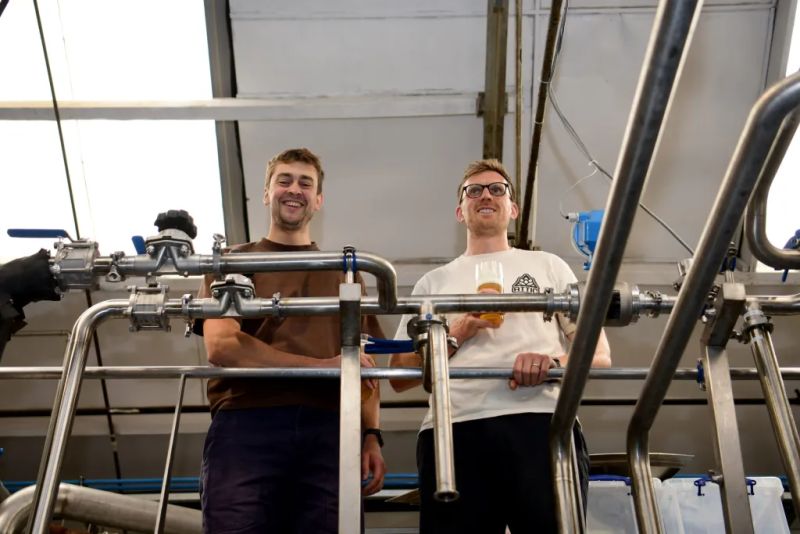
Attic Brew Co., an independent brewer based in Birmingham, has bought the industrial complex that houses its brewery and taproom after increasing its sales to bars, venues and distributors by 60% over the past year, a move that gives the company control of its main operating site as it expands production.
The purchase covers the 56,000-square-foot property in Stirchley, off Mary Vale Road, where Attic Brew runs its factory and customer-facing taproom. The site, about 5,200 square meters, also includes other independent businesses, which the company said will continue operating as usual.
The acquisition was announced on Aug. 12 and was backed by a funding package worth at least seven figures from NatWest and the Midlands Engine Investment Fund II, through fund manager Frontier Development Capital. The company did not disclose the purchase price, the exact size of the financing package, its annual revenue or current production volumes.
For Attic Brew, the deal is both a real estate purchase and a bet on future output. The company said it has nearly doubled the size of its brewhouse in recent months and is now installing new canning and kegging equipment to keep up with demand. The financing will also support new cold storage and additional production improvements.
The move gives the brewery long-term control over a site it had already spent years developing. Sam Back, Attic Brew’s founder and director, said the brewery and taproom sit at the center of the business and that the company has invested heavily in the facilities over time. Owning the property, he said, is meant to secure the company’s future and allow further investment as it pursues its goal of becoming the Midlands’ best-loved independent brewery.
The expansion is notable because it comes during a difficult period for many brewers in Britain. Rising costs, pressure on consumer spending and a tougher operating environment have weighed on parts of the sector, and the total number of breweries in the country has been under strain. Against that backdrop, Attic Brew is moving in the opposite direction, combining stronger professional sales with a property purchase and a capacity buildout.
The 60% increase refers to the company’s trade sales, meaning beer sold through business channels rather than directly to walk-in customers at the taproom. That growth has helped justify new investment in equipment and space, as the company tries to serve more wholesale demand while keeping its own site as a base for production and hospitality.
Attic Brew describes itself as Birmingham’s largest independent brewery. Its home in Stirchley has become part of a broader cluster of small food and drink businesses in south Birmingham, where industrial spaces have been repurposed for production, retail and hospitality. By buying the estate from a private landlord who was looking to retire, the brewery has removed a layer of uncertainty over one of its most important assets.
That matters in brewing because production sites are hard to replace. Breweries often tailor buildings to specific equipment, utility needs and storage requirements, and moving can be costly and disruptive. Owning the premises can make future expansion easier, especially when a business is adding packaging lines and refrigerated storage. It can also protect a growing company from lease risk at a time when financing and construction costs remain high.
The funding structure also shows how regional business finance is being used in food and drink manufacturing. The Midlands Engine Investment Fund II covers the Midlands and offers debt finance and equity support for small and medium-size businesses. According to the British Business Bank, which oversees the program, the fund can provide debt from £25,000 to £2 million and equity investment up to £5 million across the region. In Attic Brew’s case, that support was paired with lending from NatWest.
David Tindall, a senior investment manager at the British Business Bank, said the transaction showed how the fund was helping ambitious businesses get access to long-term capital. He said Attic Brew had built a successful business with strong Midlands roots and that backing the purchase of its premises would help provide security for further growth, job creation and investment in the region’s food and drink economy.
While the brewery has not released financial details beyond the 60% increase in trade sales, the sequence of moves suggests a business trying to lock in gains from recent demand rather than wait. First came stronger sales into the wholesale market. Then came a larger brewhouse. Now the company is adding packaging and cold-chain infrastructure and taking ownership of the site itself.
The other businesses on the estate are expected to remain in place, which means the purchase does not represent a redevelopment plan or a consolidation of the property for brewing use alone. Instead, it appears to be a way for Attic Brew to secure the part of the complex that is already central to its operations while preserving the wider mix of tenants on the estate.
The transaction had first been disclosed publicly on Aug. 11, but the current announcement adds more detail about the brewery’s sales growth and capital plans. What remains unclear is the scale of the company’s output after the expansion, how much extra capacity the new canning and kegging lines will bring, and how quickly the additional cold storage will come online.
Even without those figures, the direction of travel is clear. Attic Brew is using a period of wholesale growth to strengthen its position in Birmingham, invest in equipment and turn its main production base from a rented site into a permanent home.
