Rosé wine gains ground in Hong Kong from a base of just 3% of imports
Producers say record heat, lighter dining habits and casual social occasions are making chilled pink wines more appealing.
Thursday, August 13, 2026
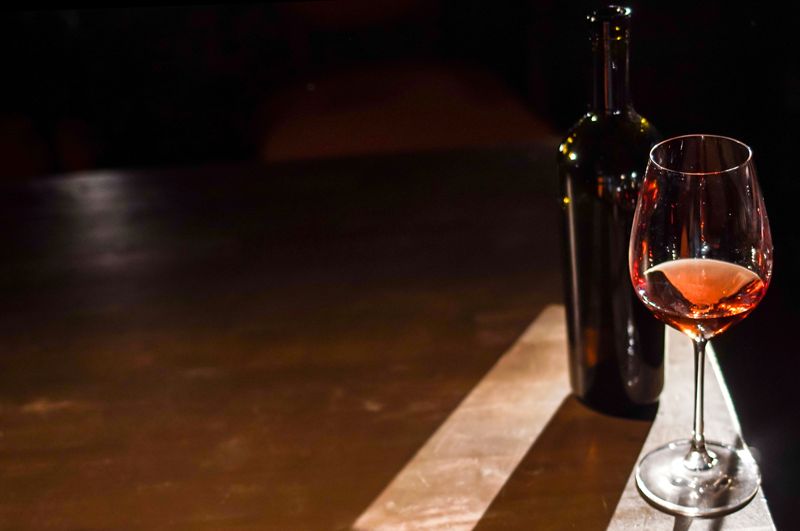
Hong Kong’s rosé market is still small, but wine producers and distributors say the category is gaining traction as consumers in the city move toward lighter styles, food-friendly wines and more casual drinking occasions.
The shift comes as Hong Kong faces hotter summers and changes in the way wine is consumed. On Aug. 9, the city reached 36.9C, or 98.4F, its highest temperature on record. Industry executives say that kind of weather adds to the appeal of chilled rosé, especially in a market where outdoor dining, rooftop venues and informal social gatherings have become more important to wine sales.
By value, rosé accounts for just 3% of Hong Kong’s wine imports, according to government data cited by producers. Red wine still dominates at 73%, while white wine represents 14% and sparkling wine, including Champagne, stands at 8%. Those numbers reflect a market that has long favored red wine, in part because of its close link to business dining, gifting and formal occasions across Asia.
Wine companies working in the city say that pattern is starting to loosen. They argue that rosé’s slow development in Hong Kong has been less about resistance to the style and more about awareness, education and habit.
Victor Verhoef, global marketing director at Maison Saint Aix, said Hong Kong has many of the conditions that support rosé consumption, including a broad restaurant scene, a mix of local and expatriate consumers and a strong interest in premium food and drink trends. In his view, the issue has been timing. Rosé arrived later in the market than red and white wine, and consumers have needed time to understand where it fits.
That effort has included changing old perceptions about the category. For years, rosé has carried a gendered image in some markets, something producers now say they are actively trying to leave behind. Instead of marketing pink wine as a niche product, brands are tying it to lifestyle, convenience and food.
Australian Vintage has taken that approach in Hong Kong with Poco Vino Rosé, which it launched with a tram advertising campaign built around the product’s modern packaging and single-serve format. Kate Williams, the company’s head of Asia, said the aim was to reach people who want wine that feels easier to buy and drink, without the formality that has often surrounded the category.
That matters in a city where many younger consumers are open to wine but do not always want a full bottle at dinner or at home. Smaller servings, ready-to-carry packaging and simple branding can lower the barrier for entry, especially for buyers who may be choosing between wine, cocktails, beer and nonalcoholic drinks.
Moët Hennessy is also betting that rosé can expand by moving away from narrow positioning. Devin Pun, managing director for Hong Kong and Macau at Moët Hennessy Diageo, said the company does not market Whispering Angel to a specific demographic. Instead, he said, it tries to place the wine in settings where it feels natural, especially around food and social occasions.
That strategy has included chef-led food pairing events in North Asia. Pun said the company has worked in South Korea with chefs, including television personalities, to show how rosé can be paired with both Korean dishes and more casual global menus. He said the same approach has been expanding across the region, with food culture and lifestyle occasions used as entry points for new consumers.
The food argument is central to rosé’s sales pitch in Hong Kong. Producers say the city’s dining culture gives the category an advantage because dry, pale rosés can work with a broad range of Asian dishes. They point to sushi, Cantonese dim sum and Thai salads as examples of cuisines where rosé’s acidity and light body can complement delicate flavors without overwhelming them.
That positioning also helps rosé compete less with red wine and more with white wine. In many restaurants, rosé is being presented as an alternative for guests who want freshness and versatility but do not want a conventional white. The style that seems to be performing best is the dry, Provence-inspired model: pale in color, crisp, aromatic and moderate in body.
At the same time, producers are adapting to another consumer shift: moderation. Verhoef said demand for low- and no-alcohol options is growing in step with wellness concerns, driving laws and changing social habits. Earlier this year, Maison Saint Aix presented Beau Viva, a sparkling 0.0% alcohol rosé, at Vinexpo Hong Kong. The idea, he said, is to give consumers an option that still fits the occasion, whether they are limiting alcohol for health reasons or simply choosing not to drink.
That move reflects a broader pattern in beverage markets across Asia, where consumers are increasingly comfortable switching between alcoholic and nonalcoholic products during the same meal or event. Rosé, producers say, benefits from that shift because its image is already tied to refreshment and informal drinking.
Retailers and restaurants are likely to play a major role in whether the category grows beyond its current 3% share. Williams said retail execution matters, especially for products that many shoppers may not yet be actively seeking. Clear shelf placement, strong visual branding and displays built around occasions rather than grape varieties can help consumers notice rosé and understand when to buy it.
Restaurants have a different job. Pun said by-the-glass programs, menu pairings and chef recommendations can introduce rosé in ways that feel less risky for diners. A guest may be unwilling to order a full bottle of rosé for the table, but more open to trying one glass with a dish. Once that first trial happens in a restaurant, producers believe, consumers may be more willing to buy rosé later for home use or as a gift.
Hospitality groups are also experimenting with more casual serves. Frozen rosé drinks, including frosé made with Whispering Angel, have appeared in beach clubs and rooftop bars. Those formats are designed to bring rosé into settings where wine has not always had a strong role, and to make it feel more relaxed for younger drinkers.
Hong Kong remains a red wine market by a wide margin, and rosé still trails far behind the main categories. But producers say the city’s climate, dining habits and changing consumer behavior give pink wine a better opening than its current numbers suggest. For now, the market is small, but industry players are treating that low base as room to grow rather than a sign of weak demand.