Winemakers worldwide revise vineyard plans after NOAA warns of a powerful El Niño
Forecasters said Pacific temperatures could reach 2.5 degrees Celsius above average, shifting rainfall and heat from California to South Africa
Tuesday, October 20, 2026
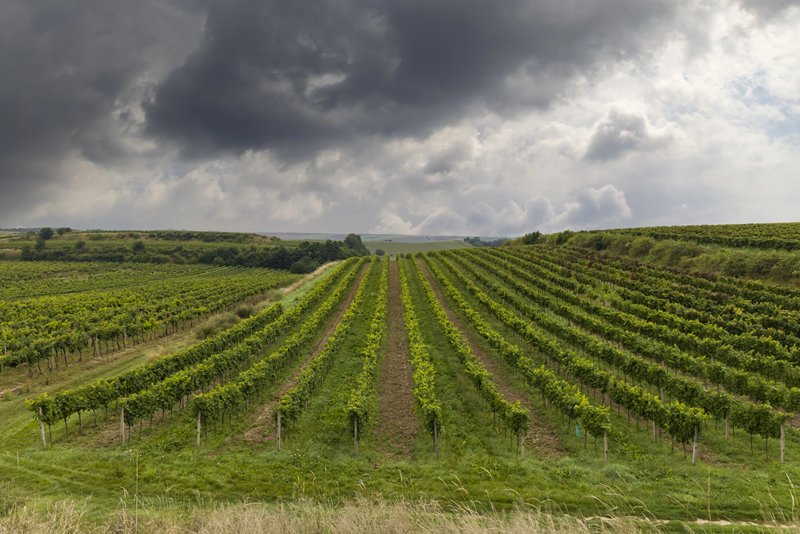
Wine producers from California to Chile, Australia, and South Africa are adjusting vineyard plans after U.S. forecasters warned that El Niño has returned and could become one of the strongest episodes in decades, changing rainfall and temperature patterns in some of the world’s biggest wine regions.
The National Oceanic and Atmospheric Administration’s National Weather Service issued an El Niño advisory on June 11, saying the warm phase of the El Niño-Southern Oscillation had developed in the equatorial Pacific. NOAA said there was an 83% chance that sea surface temperatures in the last quarter of 2026 would be as much as 2.5 degrees Celsius above average, a level that could make this one of the strongest El Niño events since 1950. The agency has said an El Niño is declared when surface temperatures in the equatorial Pacific rise at least 0.5 degree Celsius above the long-term average, and the event is often considered a “super El Niño” when warming exceeds two degrees.
The climate pattern begins when the trade winds that normally push warm surface water westward weaken or reverse. That disrupts the usual upwelling of cooler water and leaves more heat in the central and eastern Pacific. The result can be a broad shift in weather patterns far from the ocean itself, often bringing more rain and storms to the eastern Pacific while increasing the risk of heat or drought in other regions. For vineyards, that can mean very different problems depending on location, including excessive humidity, poorly timed rain, lower sunlight, or water shortages.
In California, growers say the current event appears to be starting earlier than many previous El Niño cycles. Marshall Miller, chief operating officer of Thornhill Companies, which owns vineyards in Santa Barbara County including Bien Nacido Vineyard, said warmer ocean conditions arrived sooner than expected and brought humidity earlier in the year. He said that could affect dormancy if winter temperatures are not cold enough, but that rainfall remains the main concern in Santa Barbara County.
For growers there, the difference between a helpful winter and a damaging one may come down to how the rain falls. Miller said steady and moderate rainfall could help roots grow deeper and improve water access in a region that often depends on irrigation during the growing season. But short and intense storms could produce flooding, erosion, and even landslide risk on hillsides. Heavy bursts of rain also tend to run off quickly instead of soaking into the soil, limiting their benefit for groundwater recharge.
Napa Valley winemaker Steve Matthiasson said El Niño has never produced a uniform result across California. He noted that southern parts of the state often expect more rain, while northern California can remain dry in some El Niño years because the jet stream does not always follow the same path. This time, however, observers expect Napa to receive more rain, and growers are preparing for that possibility.
Matthiasson said the extra water is generally welcome, but it also requires vineyard work before the wettest weather arrives. He said his organic and regenerative farming program calls for spreading compost, planting cover crops quickly, and placing straw bales and other erosion controls in vulnerable areas. Those steps are meant to keep soil in place and slow water flow during heavy rain.
In Chile, the picture is also mixed. Marcelo Papa, chief winemaker at Concha y Toro, said El Niño years usually bring more rain, which can be positive in a dry country where water is valuable. But he said the timing of that rain matters. If precipitation arrives in February, March, or April, during or near harvest, it can damage grapes and hurt the crop. Papa pointed to 2016 as an example of a season when harvest-time rain caused serious losses.
Papa said El Niño in Chile often brings more cloud cover as well, reducing sunlight during the growing season. That can delay harvest by as much as two weeks. He said the lower radiation tends to favor white wines, which can show more freshness and acidity, while red wines can be more difficult because the fruit may not reach the same level of sugar and concentration seen in sunnier years. In practical terms, that means climate shifts can affect not only yields but also the style of wine that reaches the market.
Australia faces a different set of risks. Dylan Grigg, an Australian consulting viticulturist, said El Niño is only one of several major climate drivers affecting the country’s vineyards. He said the Indian Ocean Dipole and the Southern Annular Mode can either intensify or soften El Niño’s impact, especially in southern Australia. Australia’s Bureau of Meteorology has forecast a warmer and drier end to 2026, but Grigg said exceptional winter rains could reduce some of the stress on vineyards this season.
That uncertainty makes planning harder for growers and wineries. A dry and warm finish to the year can increase irrigation needs and raise the risk of heat stress in vines. At the same time, strong winter rain can temporarily improve soil moisture. The balance between those factors will vary by region and by how long the heat persists.
In South Africa, industry officials say El Niño usually means hotter daytime conditions, cool nights, and less available water. Gerard Martin, a research, development, and innovation executive at South African Wine, said those conditions resemble the broader pressures the sector has already faced from climate change. After the Western Cape drought from 2015 to 2018, the University of Stellenbosch and industry partners studied trellising systems, deficit irrigation, and other methods to manage lower water availability.
Martin said some vineyards in the Swartland have shown that comparable yields and grape quality can be maintained with 50% less water under certain conditions. That does not remove the risk of a dry El Niño year, but it suggests that some producers are better prepared than they were a decade ago.
Across the wine trade, the issue matters well beyond the vineyard because weather shifts can affect irrigation schedules, disease pressure, labor needs, harvest timing, and winery costs. More rain can increase the risk of fungal disease and raise spending on canopy work, drainage, and soil protection. Drier and hotter conditions can increase water demand and put pressure on regions already coping with scarce supplies. Those changes can reduce yields in some places, alter grape quality in others, and potentially affect the volume, style, and cost of wines sold to distributors, retailers, restaurants, and consumers.
The wide range of possible outcomes is one reason producers are speaking cautiously. El Niño does not produce the same result in every country or even within the same state. In the western United States, for example, its strongest effects are usually felt in winter, but this year’s warming developed unusually early. In Chile, beneficial rain can turn harmful if it reaches vineyards late in the season. In Australia and South Africa, the main concern is often whether existing soil moisture and water management systems can offset hotter, drier weather.
For growers, that means planning for more than one scenario at once. Some are trying to capture and conserve rainfall. Others are preparing for erosion, delayed ripening, or lower sunlight. In regions with a history of drought, producers are relying more heavily on techniques designed to stretch limited water supplies and protect fruit quality if heat intensifies later in the season.