Northern Ireland brewers tell Parliament their beer is easier to serve in Westminster than at home
SIBA says a 124-year-old licensing system leaves local breweries with about 1% of beer sales in the region
Thursday, September 3, 2026
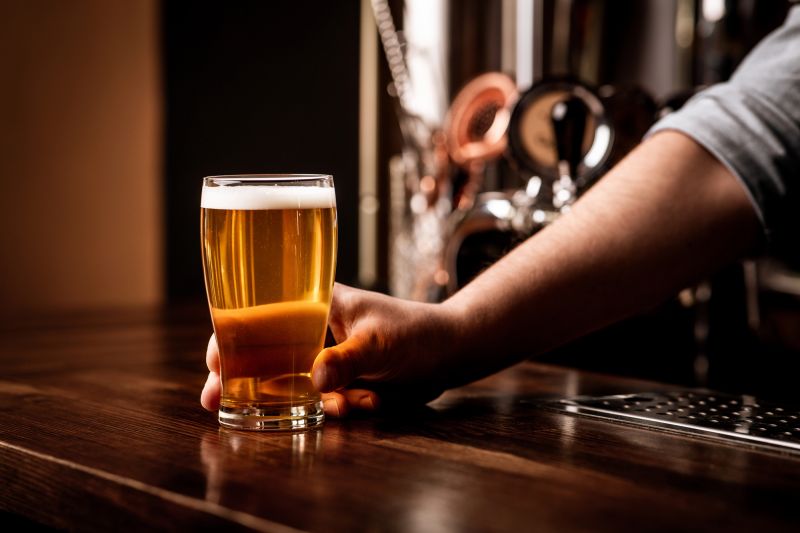
Independent brewers from Northern Ireland brought their beers to the Houses of Parliament this week to press for changes to the region’s liquor licensing system, arguing that it is easier to serve their products in Westminster than in many pubs at home.
The visit took place on Wednesday, when brewery representatives used an event in London to draw attention to what they described as severe limits on access to the Northern Irish market. The campaign was organized by the Society of Independent Brewers and Associates, or SIBA, a trade body that is calling for urgent licensing reform.
SIBA said its estimates show that 99% of beer sold in Northern Ireland comes from large brands produced outside the region, leaving local independent brewers with about 1% of the market. The group said 17 independent breweries remain in Northern Ireland after a wave of closures in the first half of 2026, when one-fifth of the region’s breweries shut down. SIBA said that was the highest closure rate in the United Kingdom during that period.
The figures were published by the trade association rather than by a government statistics office. SIBA is also campaigning for legal change, and it did not publish detailed data on beer volumes, revenue, or market share by company. Its 99% estimate groups together large brands produced outside Northern Ireland.
At the center of the dispute is Northern Ireland’s licensing framework, which SIBA said is 124 years old and blocks many small brewers from opening taprooms or selling directly to customers in the same way breweries can in Great Britain. Under the region’s “Surrender Principle,” an existing hospitality license must be given up before a new one can be issued. According to SIBA, that means in some areas a new license is effectively unavailable. When one can be found, the group said, the price starts at about £120,000 and in some recent deals has gone above £1 million.
SIBA argues that those costs are out of reach for small brewers and make it much harder for them to build local sales. The association said the result is that many Northern Irish producers have little option but to focus on export markets instead of selling in nearby towns and cities.
The group contrasted that system with rules in Great Britain, where small breweries can apply directly for a premises license. SIBA said 46% of independent brewers in Great Britain operate taprooms under that system. In Northern Ireland, the trade body said, a similar route is far more difficult.
SIBA also pointed to what it described as an uneven treatment of different kinds of investment. It said a developer who spends £500,000 on an upstairs 10-room apart-hotel can obtain a license that allows a pub to operate on the ground floor outside the surrender system. By contrast, the association said, a brewery that invests £1 million in production facilities still has to try to secure a license through the surrender process.
William Mayne, managing director of Bullhouse Brewery, said the rules are hurting consumer choice and local production. He said it is often easier for drinkers to find Northern Irish beer in London or Manchester than in Belfast. He also said local pubs are unable to stock local products as easily as they should and that smaller producers are being pushed toward closure.
Mayne said the Westminster event gave lawmakers a chance to sample beers made in Northern Ireland, but he argued that the symbolism of the visit exposed the problem the industry faces. He said it was easier to serve the beer in the Palace of Westminster than in a pub in his home town of Newtownards.
The brewers used the event to urge members of Parliament and Northern Ireland’s minister responsible for the area to back licensing reform. Their demands reflect a broader push by independent producers who say the current system protects incumbents, raises entry costs, and strengthens the position of large outside suppliers.
The dispute comes at a time when small brewers across the UK have been under financial pressure from higher costs and weak trading conditions, but SIBA says Northern Ireland’s market access problem is especially severe because of local licensing rules. In the association’s view, regulation is not just a hospitality issue but a manufacturing issue, because it affects whether local breweries can develop a stable home market.
That argument is likely to feed into wider debates about competition and regional economic development. Northern Ireland’s brewers say the current structure favors global companies whose brands already dominate taps and pub supply arrangements, while local producers struggle to get listings close to where their beer is made.
SIBA said the high cost of acquiring a license can also push operators toward exclusive supply deals with major brewing groups in order to secure funding, which the association argues adds to market concentration. The trade body says changing the law would give small breweries a better chance to open taprooms, sell directly to drinkers, and build local brands without relying so heavily on export sales.
For now, the industry’s message is that the barriers are not about demand alone. Brewers say consumers in Northern Ireland want local beer, but the route into pubs and brewery taprooms remains restricted by a licensing model that they believe no longer fits the market.