U.S. Imposes New Section 301 Tariffs on Imports From 60 Economies
The duties of 10% or 12.5% begin Friday after forced-labor investigations, with Irish whiskey and Scotch whisky excluded.
Friday, July 24, 2026
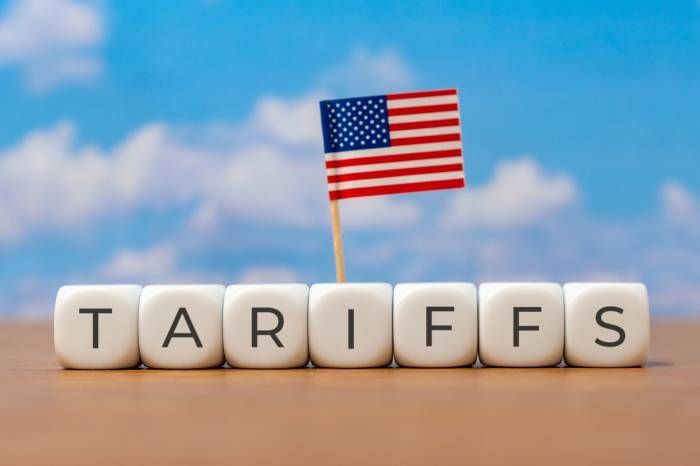
The Office of the United States Trade Representative said it will begin imposing new Section 301 tariffs on imports from dozens of economies starting Friday at 12:01 a.m. Eastern time, after concluding investigations tied to what it described as failures to prohibit and effectively enforce bans on goods made with forced labor.
According to the federal notice released Thursday, the action covers 60 economies and sets additional duties at either 10% or 12.5%, applied on a net most-favored-nation basis. The measure takes effect immediately for covered goods entered for consumption, or withdrawn from warehouse for consumption, on or after the start time.
The action adds a new trade cost for a wide range of importers and comes at a sensitive moment for beverage companies that buy wine, spirits and other alcohol products from abroad for the U.S. market. For importers, distributors and restaurant groups, the tariffs could affect purchasing plans, pricing and inventory decisions as they prepare orders for the second half of the year. The impact will depend on product classification and whether an item falls under one of the exclusions announced by the administration.
Among those exclusions are Irish whiskey and Scotch whisky, a carveout that is likely to draw close attention across the drinks trade because it shields two major imported spirits categories from the new duties. That exemption may soften the immediate effect on some bars, retailers and wholesalers that rely heavily on those products, even as other imported beverage categories could still face higher landed costs if they are covered by the action.
The USTR notice does not frame the move as a beverage policy. It is part of a broader trade enforcement step under Section 301 of the Trade Act of 1974, which allows the United States to respond to foreign acts, policies and practices it considers unreasonable or discriminatory and that burden U.S. commerce. In this case, the agency tied its final action to forced-labor enforcement failures in the economies under investigation.
The notice lays out tariff rates by economy and product treatment and states that the duties are meant to address what the agency found during its investigations. The administration’s decision means importers must now review customs classifications and sourcing exposure quickly, especially for shipments arriving around the effective date.
For beverage importers, timing matters. Goods already in transit may now enter under a different cost structure depending on when they are formally entered into U.S. commerce. Companies that work with thin margins, including wine importers and independent spirits distributors, may have limited room to absorb an added 10% or 12.5% duty without passing at least part of that increase through the supply chain.
That could create uneven effects across the market. Products protected by exclusions may gain a relative price advantage over competing imported categories that remain subject to tariffs. In practical terms, buyers in restaurants, hotels and retail stores may adjust their mix if some bottles become more expensive than others because of trade policy rather than changes in producer pricing or exchange rates.
The federal action also adds another layer of uncertainty for businesses already managing freight costs, currency swings and shifting consumer demand. Importers often place beverage orders months in advance, particularly for wine and aged spirits tied to seasonal promotions or holiday sales. A tariff that begins with little lead time can force companies to revisit contracts, reorder schedules and shelf-price assumptions.
USTR’s notice marks the formal end of these Section 301 investigations and turns them into active tariff policy as of Friday morning. Customs brokers, import compliance teams and beverage buyers are expected to study the exclusion language closely in coming days to determine which products are protected and which now face higher duties at the border.
The move underscores how trade enforcement decisions made outside the beverage sector can still reshape costs inside it. Even where headline exemptions protect well-known spirits such as Irish whiskey and Scotch whisky, broader tariff changes can alter competitive balance across imported wines and liquors sold in the United States.