France urges U.S. to lift tariffs on Champagne after easing duties on Irish whiskey
Paris says French wines and spirits deserve treatment equal to Irish whiskey, but Washington has not signaled a response
Tuesday, October 27, 2026
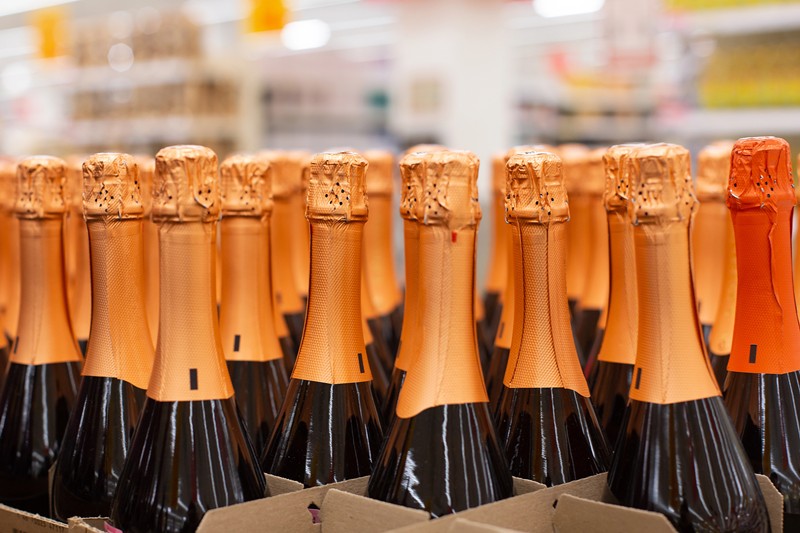
France is asking the United States to remove tariffs on its wines and spirits, including Champagne, after the Trump administration lifted tariffs on Irish whiskey last month, according to a report published Monday by The Daily Pour citing MLex.
The request was made by French minister Nicolas Forissier before an informal meeting of European Union trade ministers in Dublin. According to the report, Forissier said he had recently raised the issue directly with U.S. Trade Representative Jamieson Greer and argued that French alcohol exports should receive treatment similar to Irish whiskey instead of facing a less favorable tariff regime.
President Donald Trump removed tariffs from Irish whiskey in September. France is now pressing Washington to extend similar relief to a broader group of French products, including still wine, sparkling wine and spirits. Champagne is a central part of that request, but the appeal is not limited to one category.
The report did not specify the full scope of the U.S. tariffs involved or say whether the United States had formally responded to France’s request. There was also no indication that Washington had agreed to open talks on a broader exemption for French products.
France’s position is based on parity as much as market access. Paris is arguing that if the United States is willing to ease trade pressure on one European alcohol category, it should consider doing the same for another. The issue has drawn attention inside the EU because tariff decisions can shift the relative position of exporters competing in the same market.
For French producers, the American market is important because tariffs raise the cost of entering the country and can affect the final shelf price paid by consumers. Those added costs can also squeeze importer and distributor margins, which in turn can influence which brands retailers choose to stock and promote. If French wines and spirits were granted an exemption, it could alter pricing and competition across major imported drink categories in the United States, especially in wine, sparkling wine and premium spirits.
That matters for the beverage business well beyond France. Importers, distributors and retailers often adjust sourcing and pricing plans when trade costs change, and a tariff break for French products could potentially change margins and competitive conditions among leading suppliers in the U.S. market. It could also affect how French products compete with domestic brands and with other foreign producers that do not receive similar treatment.
Champagne carries particular weight in that discussion because it is one of France’s best known exports and occupies a visible place in the U.S. premium drinks market. By explicitly including Champagne alongside still wines and other spirits, France is seeking relief for a wide range of alcohol exports rather than a narrow fix for a single product.
The request comes as European governments continue to track the effect of U.S. trade policy on exporters across the bloc. While the French appeal is focused on alcohol, it also reflects a broader concern inside Europe about whether selective tariff changes could give one set of producers an advantage over another.
It remains unclear whether other EU member states will formally back France’s position. The report said only that the request was raised ahead of the Dublin meeting of EU trade ministers, without detailing any common European response. It is also unclear whether the Trump administration views the Irish whiskey decision as a one-off measure or as a precedent that could be extended to other imported drinks.
For now, France is asking Washington to avoid leaving Irish whiskey with a tariff advantage over French wine, Champagne and spirits in the U.S. market. No public response from the White House or the Office of the U.S. Trade Representative was reported in the account published Monday.