France Lets Some 2026 Champagne Exceed the 13% Alcohol Limit
The one-time waiver covers a small group of producers after heat waves and drought drove grape sugar high enough to yield wines of up to 15% alcohol
Wednesday, October 28, 2026
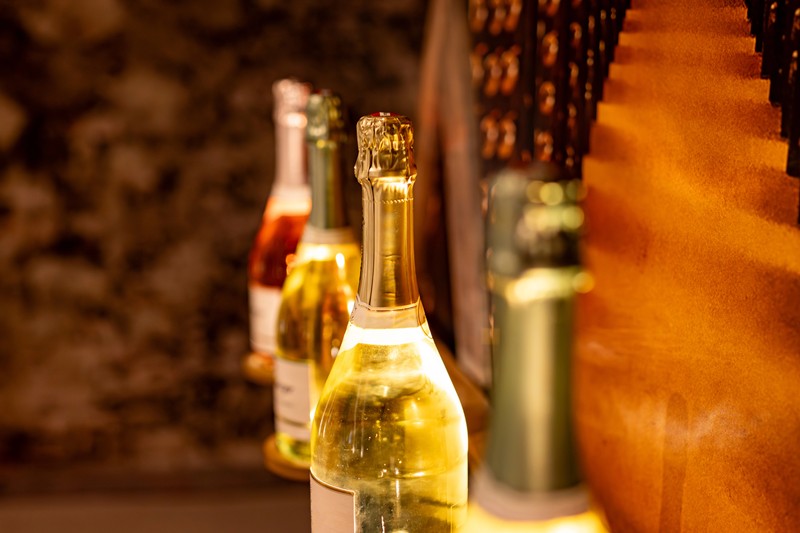
France has formally allowed some Champagne made from the 2026 harvest to go above the usual 13% alcohol limit, creating a one-time exception after a summer marked by heat waves and severe drought.
The measure was published Wednesday in the French Official Journal and follows a temporary waiver that Champagne producers obtained in early September from the National Institute of Origin and Quality, known as INAO. The decree says wines put into production in 2027 from blends of non-enriched 2026 harvest wines and enriched wines from earlier harvests may, after the secondary fermentation that creates Champagne’s bubbles, exceed the maximum total alcoholic strength of 13%.
French authorities said the exception was granted because climate conditions in the summer of 2026 led to unusually high potential alcohol levels in the grapes harvested this year. In practice, hotter and drier weather pushed sugar levels higher in the fruit, which can result in wines with more alcohol. Under the usual rules for Champagne, those limits are tightly controlled by the appellation’s production standards.
The change is meant to give producers room to work with grapes that were already ripening to high alcohol levels before winemaking began. According to the report published by TF1 Info and AFP, the waiver allows affected growers to make wines reaching as much as 15% alcohol, including in cases where those wines are blended with reserve wines from earlier years that may have undergone chaptalization, the addition of sugar during the winemaking process. The Champagne industry had sought the adjustment because combining very ripe 2026 base wines with some older enriched reserve wines risked pushing the finished product beyond the standard ceiling.
Industry officials have said the exception will not apply broadly across the region. Maxime Toubart, president of the General Syndicate of Winegrowers and co-president of the Champagne Committee, said in September that only “a few winegrowers” would be concerned. That suggests the measure is targeted at producers whose fruit reached especially high levels of ripeness and potential alcohol, rather than a blanket change for all Champagne houses and growers.
The decision also reflects how quickly harvest conditions are shifting in one of France’s most closely regulated wine regions. The Champagne Committee said the 2026 harvest was the earliest ever observed in Champagne. The first grapes were cut on August 6, with harvesting becoming widespread on August 17. That was two weeks earlier than in 2025, which had already been considered an early year. The 2026 season was shaped first by early frosts and then by heat waves and exceptional drought, a combination that affected both the pace of vine development and grape composition.
For the beverage industry, the move is significant beyond Champagne alone because it shows regulators adapting production rules to rising grape maturity linked to hotter weather. It could affect how sparkling wine producers manage blending, reserve stocks, alcohol levels, and compliance with appellation rules. While the exemption is limited and temporary, it points to the type of regulatory adjustments wineries may increasingly seek as climate pressures change the balance between traditional standards and what vineyards are producing in the field.
Champagne is one of the world’s most closely watched wine categories, and changes to its rulebook are usually rare. The fact that producers secured a temporary derogation from the appellation specifications was described as a first. That makes this decision notable for growers, houses, and regulators who must preserve the identity of Champagne while also responding to harvests that no longer fit older patterns.
The Champagne Committee had already warned that harvests like 2026 could become more common as climate change advances and forces producers to adapt. Wednesday’s decree gives legal force to that adaptation for one vintage. It also underlines a growing issue for wine regions across Europe: as hotter summers increase grape ripeness, long-standing alcohol thresholds and blending practices may come under more pressure.