Corriere della Sera’s 2027 wine guide names Eredi Fuligni’s Brunello di Montalcino 2021 Italy’s best
After tasting about 7,000 wines, James Suckling’s team gave Brunello three top 10 places in a guide focused on climate and consumption shifts
Thursday, October 22, 2026
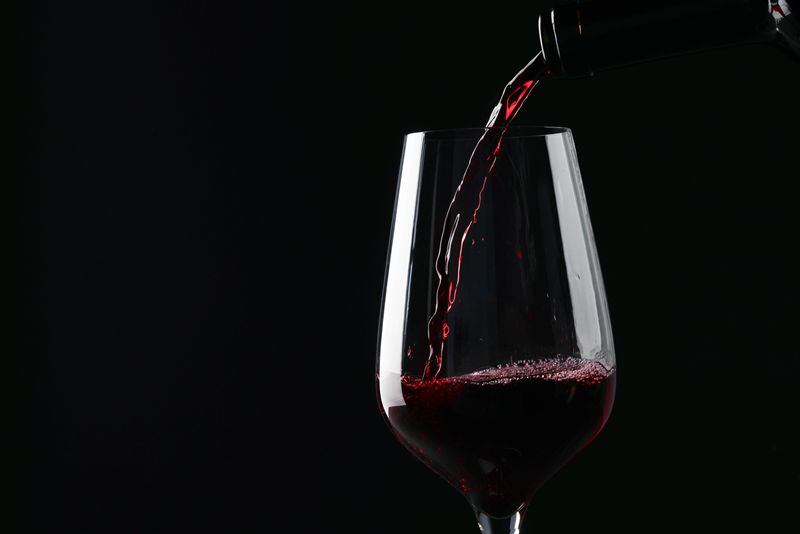
Corriere della Sera is set to present the 2027 edition of its wine guide, “I migliori 100 Vini e Vignaioli d’Italia,” in Milan on Oct. 29, with the publication going on sale at newsstands on Oct. 30. The 13th edition, edited by deputy editor Luciano Ferraro, combines a selection of top wines by American critic James Suckling with profiles of 100 wineries and producers chosen not only for quality, but also for the stories they tell about Italian regions, families, and the changing place of wine in national life.
Advance details released by WineNews show that this year’s guide places strong emphasis on the shifts affecting the wine business in Italy and abroad. Ferraro frames the book as a portrait of a country told through a product that remains closely tied to place and cannot be moved away from its area of origin. At the same time, the guide argues that wine now exists in a very different cultural and commercial environment from the one that shaped earlier generations, with public health concerns, slower consumption, economic pressure, geopolitical instability, and climate change all changing how wine is made, sold, and discussed.
The guide’s special awards reflect both the agricultural and business sides of the industry. Federico Veronesi was named “Wine Entrepreneur” for his role at Oniwines, part of the Oniverse group founded by Sandro Veronesi. The wine division includes estates in Lazio, Sardinia, Veneto, Piedmont, Marche, and Trentino, where the group recently opened Ert1050, its sixth winery, focused on Trentodoc sparkling wine. The group also controls Signorvino, a large Italian wine retail chain with nearly 50 stores in major Italian cities as well as locations in Paris and Prague. Ferraro describes Veronesi as a young entrepreneur who expanded in wine while others advised him to invest elsewhere.
Chiara Lungarotti was named “Winegrower of the Year” for leading Lungarotti in Torgiano, one of Umbria’s best-known wine estates. The award recognizes her stewardship of the winery founded by her father, Giorgio Lungarotti, and her effort to update that legacy without breaking from it. The “Wine Manager” award went to Giampiero Bertolini, chief executive of Biondi-Santi, the historic Montalcino estate long associated with the origins of Brunello and now owned by the French group Epi. According to the guide, the award recognizes Bertolini for preserving the Tuscan identity of the company after its change in ownership.
Another prize, “Father and Son,” went to Massimo Gianolli of La Collina dei Ciliegi in Valpantena, in the Valpolicella area. The guide highlights how Gianolli transformed an agricultural property founded by his father, Armando, into a winery known for Amarone. A final special prize, for “The New Idea,” was awarded to former Ferrari and current Audi Formula 1 executive Mattia Binotto for his Trentino winery, Eleusi.
Ferraro said the 100 wineries included in the guide are not meant to be a definitive list of Italy’s strongest producers. Instead, he said, they were selected because they offer a compelling narrative through their wines. The wineries span the full length of the country, from Les Crêtes in Valle d’Aosta to producers in Sicily and Sardinia, and include major names such as Gaja, Marchesi Antinori, Frescobaldi, Mastroberardino, Cusumano, and Famiglia Cotarella, alongside smaller or newer operations.
One of the biggest additions to this edition is a new food-and-wine pairing section developed with dishes from prominent chefs. The guide also includes a feature on 10 century-old vineyards selected by master pruner Marco Simonit. Those vineyards are in Alto Adige, Campania, Veneto, Sicily, Liguria, Trentino, and Sardinia, and are presented as examples of long-term adaptation, inherited knowledge, and the link between vines and local identity.
Suckling’s contribution to the guide is built around a ranking of the top 100 wines of Italy, compiled with Aldo Fiordelli after tasting about 7,000 wines over the last year. The top spot went to Eredi Fuligni’s Brunello di Montalcino 2021, which Suckling’s team cited for its quality, value, and availability. Brunello performed especially well in the rankings, with San Filippo’s Brunello Le Lucere 2021 in second place and Giodo’s Brunello di Montalcino 2021 in seventh. Roberto Voerzio’s Barolo Brunate 2022 ranked third, Cantina Terlan’s Alto Adige Terlaner I Grande Cuvée 2023 was fourth, and Tenuta San Guido’s Sassicaia 2023 placed fifth.
In the guide’s introduction, Ferraro uses an anecdote from 1978 about Olympic high jumper Sara Simeoni drinking a sip of Bonarda before setting a world record to illustrate how much Italy’s relationship with wine has changed. He argues that wine was once a routine presence at the table and in everyday social life, while today it is consumed less and judged through different standards. Ferraro points to smaller family gatherings, a stronger health-driven approach to alcohol, the rise of wine as a luxury or collectible product, and greater international competition as key reasons for the shift. He also identifies war, trade barriers, and climate change as major pressures on producers.
Television critic Aldo Grasso, who wrote the preface, makes a similar case. He describes wine as one of the strongest symbols of Made in Italy because it is rooted in landscape, climate, and local knowledge. He argues that the future of Italian wine is likely to depend less on volume and more on value, identity, quality, and moderation. Grasso also stresses the wider economic network behind a bottle, including tourism, hospitality, restaurants, and the role of wineries as destinations rather than only production sites.
Suckling and Fiordelli use the guide to argue that changing tastes are also affecting what counts as excellence in the glass. They say younger drinkers may be drinking differently, but not necessarily worse, and point to growing interest in authenticity, lighter styles, more restrained use of oak, and a renewed focus on vineyards and grape varieties. Their notes suggest that producers are responding both to market change and to a warmer climate by seeking balance, freshness, and clearer expressions of place.
The guide will be formally presented at Sala Buzzati in Milan, at Corriere della Sera, before its wider release the following day. Its publication comes at a time when Italian wine producers are trying to manage weaker consumption, larger inventories in some segments, and uncertainty in export markets while continuing to invest in premium positioning and regional identity.