Bordeaux Begins an Exceptionally Early 2026 Harvest After Heat Cuts Yields
The crop may be among the region’s earliest on record, with production below normal and early quality signs encouraging.
Tuesday, October 13, 2026
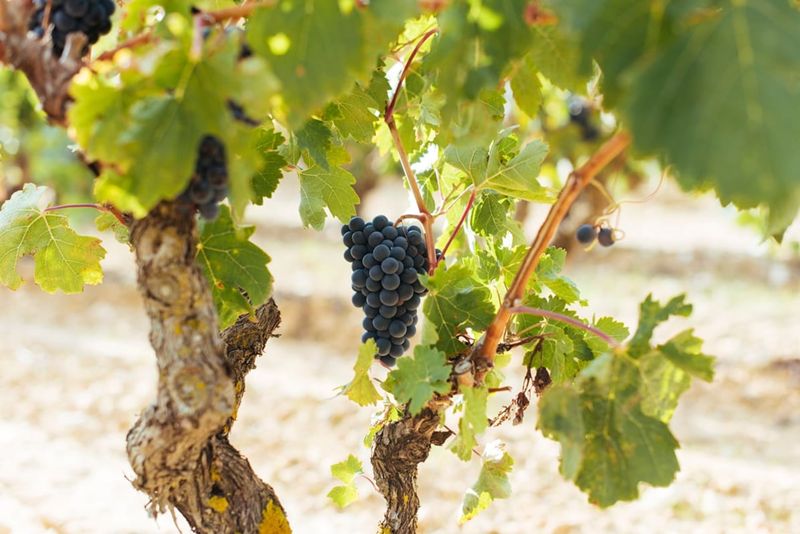
Wine growers in Bordeaux are reporting an exceptionally early 2026 harvest after a hot, dry summer cut into yields across the region, while early signs on quality remain encouraging even though picking is still not finished.
A harvest report published Monday by JancisRobinson.com said the campaign is among the earliest the region has seen, and possibly the earliest in some vineyards. The report described the season as another complicated year for growers, with intense heat and a lack of water weighing on vines during the summer months. Initial assessments were positive, but the report stressed that the harvest is still under way and that a full picture of the vintage has not yet emerged.
The first broad signal from the vineyards is that production is down. Yields are lower than normal, according to the report, although they are said to be slightly better than in 2025. That points to another tight year for volumes in one of the world’s most important wine regions, even if the final outcome varies from one estate to another and from one appellation to the next.
The early character of the vintage appears to be driven mainly by weather. The report pointed to exceptionally hot and dry conditions through the growing season, saying they took a clear toll on vines and accelerated ripening. In Bordeaux, where the harvest date is watched closely because it often shapes grape balance and wine style, an early start can be a sign of severe summer stress as much as rapid maturity.
So far, the wines are expected to show a rich and powerful profile. The report said a number of producers are already using the 2022 vintage as a point of comparison, suggesting a style with concentration and weight rather than a lighter expression. At the same time, the report cautioned that differences are likely across the region. It said vineyard management, terroir and vine age are among the factors that may create uneven results.
That variation matters in Bordeaux because the region covers a large and diverse vineyard area with many distinct growing conditions. A dry, hot season does not affect deep gravel soils, clay-rich plots and younger plantings in the same way. Estates with older vines or better-adapted sites may have handled the summer better than others, while those exposed to stronger water stress may have seen a sharper reduction in crop size or a different pattern of ripening.
The report offered a more favorable tone than the low-yield message might suggest. While growers have had to deal with another demanding season, the initial quality outlook was described as positive. That distinction is important for merchants and producers alike: lower production does not automatically mean a weak vintage, and in premium wine regions a smaller crop can still produce commercially important wines if ripeness and balance are preserved.
The fact that the harvest is not yet complete, however, leaves room for revision. In Bordeaux, late-picked parcels and different grape varieties can still alter the final picture after the first reports are published. Merlot, Cabernet Franc and Cabernet Sauvignon do not all move at the same pace, and the finish to the harvest can shape both quantity and style. For now, the main message is that the 2026 vintage is developing under pressure but with reasons for cautious optimism.
The timing and volume of this crop are likely to be watched far beyond Bordeaux. The region remains a key reference point in the global wine trade, and any sign of reduced output can affect expectations for future availability across export markets. Importers, distributors, retailers and restaurants often use early Bordeaux harvest signals to judge how much wine may be available from a major French origin and how the vintage could be positioned once it reaches the market.
That does not mean shortages or price changes are certain. Much will depend on final yields, the wines’ quality once fermentation and aging are under way, and decisions made by producers and merchants over the next several months. But an early harvest paired with below-average production in Bordeaux can influence supply planning in the broader drinks business, especially for companies that rely on the region for fine-wine programs, cellars and premium beverage lists.
The report also underlines a broader issue facing European wine producers: repeated weather stress is making harvest patterns harder to predict. Bordeaux has dealt with a series of difficult vintages in recent years, and the 2026 season appears to add another chapter to that trend, this time with heat and drought rather than a more balanced growing cycle. For growers, that means not only lower volumes in some cases, but also more pressure on vineyard decisions that can affect quality from one plot to the next.
One image accompanying the report showed freshly harvested Merlot at Château Beauregard in Pomerol, a reminder that some of the region’s best-known appellations are already well into the campaign. Even there, though, the final judgment on the vintage will have to wait until all fruit is in and winemakers can assess the musts and young wines in cellar. For now, Bordeaux appears headed toward a very early, relatively small 2026 harvest shaped by summer heat, with producers hoping the quality in the glass will offset the limits in quantity.