U.S. Imposes 50% Tariff on Canadian Wines
The duty took effect after trade talks failed, raising import costs and intensifying tensions with Canada
2026-08-24
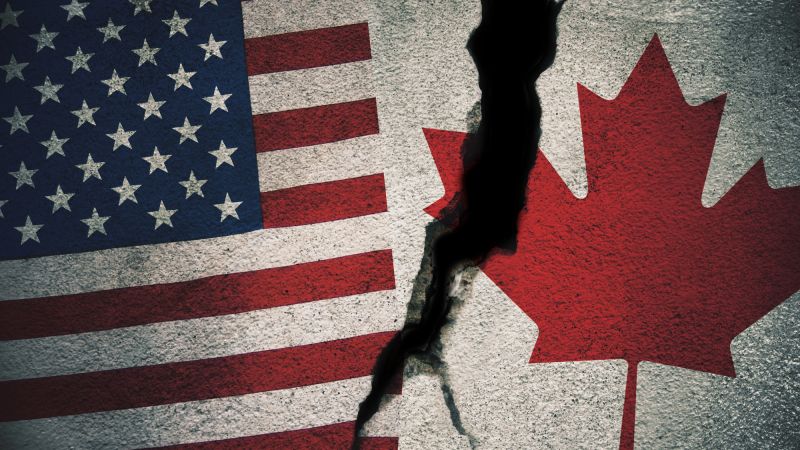
The United States began charging an additional 50% tariff on certain wines imported from Canada on Aug. 22, turning a trade threat into an immediate cost for importers and adding new strain to the trading relationship between the two countries.
The measure applies as an ad valorem duty, meaning it is calculated on the customs value of the goods. It covers certain Canadian wines that do not qualify for preferential treatment under the United States-Mexico-Canada Agreement, or USMCA. The tariff had been due to take effect on Aug. 19, but Washington delayed it by three days. It was not reduced after trade negotiations failed.
The wine duty is part of a broader U.S. tariff action covering about $20 billion in Canadian goods, equal to a little more than 5% of Canada’s exports to the United States. U.S. authorities have not published a separate figure showing the total value of wine imports affected by the new tariff.
For the wine business, the change means a sharp increase in landed costs for products entering the U.S. market. Importers must now decide whether to absorb part of the added cost, pass it on to wholesalers and retailers, or scale back purchases. That can affect shelf prices, profit margins and the competitiveness of Canadian wine against domestic and other foreign suppliers.
The move also raises the political temperature between President Donald Trump and Canadian Prime Minister Mark Carney at a time when the two countries were already trying to manage wider trade disputes. The new tariffs are expected to make broader talks over renewing the North American free trade framework more difficult.
Carney said Canada had suspended trade negotiations with the United States after what he described as last-minute changes by Washington. In a statement, he said he had ordered Canadian negotiators to return to Ottawa and that Canada would answer the tariffs “dollar for dollar.”
“I have decided to suspend trade negotiations with the United States and have ordered Canada’s negotiators to return to Ottawa,” Carney said. He added that the Canadian team had worked hard and in good faith until the last minute, but said last-minute changes in proposed U.S. terms were unfair, uneconomic and raised doubts about the reliability of any agreement.
Canada has said it is preparing retaliatory measures starting Sept. 8, though it has not confirmed whether those steps will include U.S. wine. That leaves uncertainty for producers and distributors on both sides of the border, especially in sectors where cross-border sales depend on stable pricing and long-term supply contracts.
The immediate effect of the U.S. decision falls on a narrow but sensitive part of the agricultural and consumer goods trade. Wine shipments often move through established importer networks, and many labels are marketed in price categories where a sudden 50% duty can sharply change demand. Even when producers or importers absorb some of the increase, the tariff can still reduce margins and weaken market position.
The fact that the affected wines do not receive USMCA preferential treatment is also significant. It means the measure is aimed at products that fall outside the agreement’s tariff benefits, rather than a blanket duty on all Canadian wine. Even so, the action adds to the sense that trade rules within North America are becoming less predictable for companies that rely on cross-border movement of goods.
The three-day delay before the tariff took effect had raised some hope in the industry that Washington and Ottawa might still find a compromise. That did not happen. With the tariff now in force, the issue has shifted from a negotiating threat to an operating cost that businesses must manage immediately.
The dispute comes at a time when the U.S. and Canadian economies remain closely linked through manufacturing, agriculture, energy and consumer goods. Any extension of tariff measures into new categories, or a Canadian response that reaches U.S. alcohol products, could widen the commercial impact beyond the current group of goods.
For now, the U.S. tariff on certain Canadian wines is in place at 50%, and there is no public sign of a near-term reversal. Importers, distributors and retailers are left waiting to see whether Canada’s response will deepen the dispute or push both governments back toward negotiations.
