Lincoln University puts microbial fermentation at the heart of its bioeconomy push
Speakers said the science could cut waste, sharpen food safety, expand commercial uses from vineyards to biopesticides.
2026-08-13
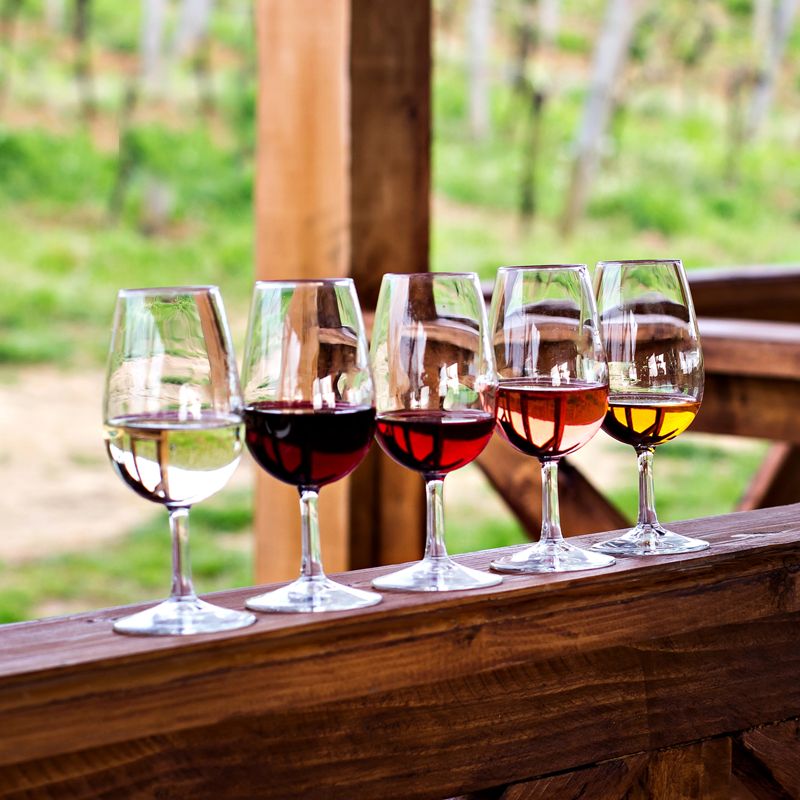
Lincoln University on Wednesday put microbial fermentation at the center of a new discussion about how New Zealand can build a more sustainable bioeconomy, using a session in its Bioeconomy Series to link laboratory research with farming, food production and industrial use.
The event, held from 1 p.m. to 2:30 p.m. at Inaka in the Waimarie Building on the university’s campus, focused on how microbial fermentation can be used in land-based systems to reduce waste, improve resource use and create higher-value products. According to the university, the session was designed to examine practical applications as well as emerging research in a field that now touches agriculture, food manufacturing and bioproduct development.
The university described microbial fermentation as a broad area of science with growing importance for sustainable agriculture and food systems. The premise of the session was that understanding how microbes work, and learning how to direct those processes, can help support more resilient and environmentally responsible land use. That idea is gaining attention well beyond research institutions as producers look for ways to lower losses, use raw materials more efficiently and develop products with a smaller environmental footprint.
One of the speakers, Professor Stephen On of Lincoln University, presented research drawn from more than 30 years of work in microbiology. His research spans microbiological food safety and the microbial side of winemaking, with a base in diagnostic methods and bacterial taxonomy. The university said that work has supported basic science, public health and wine improvement, including the characterization of microbes involved in winemaking and spoilage.
On’s current projects include spectral methods for food quality and safety, antibiotic resistance in potentially foodborne pathogens from different agricultural systems, research on bacteria such as Campylobacter, Arcobacter and Helicobacter, comparative genomics in taxonomic studies, and the characterization of winemaking yeasts for commercial use. Lincoln University also said his expertise has been used to inform government policy and legal disputes involving food contamination cases.
That focus has direct relevance for the beverage business, especially for wineries and other fermentation-based producers that depend on tight microbial control. Better diagnostic tools and a clearer understanding of spoilage organisms could help producers identify contamination earlier, improve consistency and make more informed yeast selections. In wine, where small microbial shifts can affect aroma, flavor and shelf stability, that kind of research could support both quality and waste reduction, even if the practical gains will depend on how widely the methods are adopted by industry.
The second presentation came from Dr. Laura Villamizar of the Bioeconomy Science Institute, whose work centers on biological control, mass production of microorganisms, fermentation, formulation development and the stabilization of fungi, bacteria and baculoviruses used in agriculture. Lincoln University said Villamizar has 29 years of experience in those areas, along with expertise in fungal isolation, taxonomy, ecology, characterization and production.
Her work also covers the design and development of biopesticides and biofertilizers, including testing under laboratory and field conditions, quality control systems, scale-up techniques and product registration. The university said her research has contributed to the commercialization and regulatory approval of microbial products for sustainable agriculture in Colombia, Brazil and New Zealand. In the context of the event, that work was presented as an example of how fermentation science can move from the lab into commercial practice.
Lincoln University said the session was also intended to highlight collaborative projects and the role of partnerships among researchers, industry and Māori enterprises. That reflects a broader push in New Zealand’s bioeconomy strategy to connect academic science with businesses that can turn research into products and services. Fermentation sits near the center of that effort because it can be used in several parts of the value chain, from crop inputs and bioprotection to food processing and beverage production.
The event schedule included a welcome and introductions, two presentations, a moderated discussion with audience questions and a networking session. That structure suggested the university was aiming not just to present research, but to encourage contact among scientists, students, business participants and policy groups working on land use and sustainable production.
For beverage companies, including wine producers, the discussion comes at a time when fermentation is being examined not only as a production step but as a source of innovation. Research into diagnostic methods, microbial taxonomy and yeast characterization may help producers manage fermentation more precisely and reduce the risk of spoilage. It could also open the door to new product styles or process improvements if strains can be selected for specific commercial goals.
Lincoln University presented the session as part of its ongoing Bioeconomy Series, which explores how science can support new forms of economic activity linked to land, agriculture and biological resources. In this case, the focus on microbial fermentation showed how a field often associated with food processing or brewing is being treated more broadly as a tool for sustainable production systems. The university’s framing placed fermentation in a wider economic and environmental context, tying it to circular resource use and the development of value-added products from biological materials.
