Weather extremes accelerate the 2026 wine harvest across Europe and the United States
Frost, hail, drought, wildfires and record heat damaged vines, cut yields in some regions and forced growers into August picking.
Monday, August 24, 2026
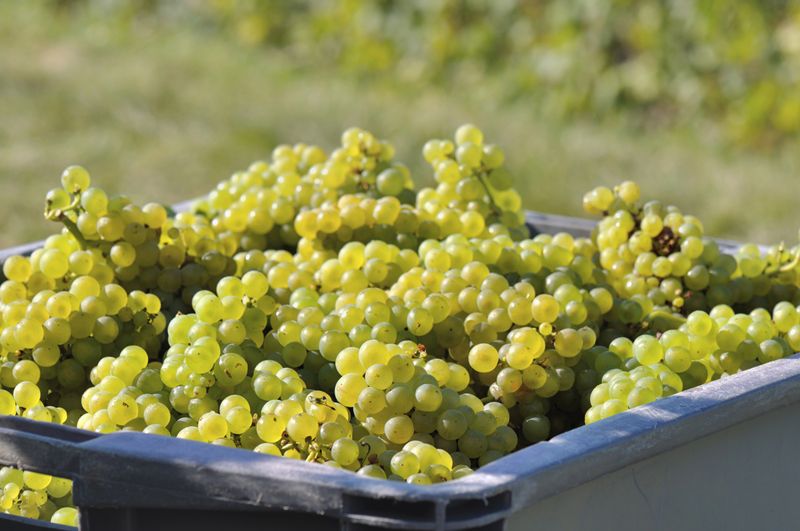
Harvest is starting far earlier than usual in wine regions across Europe and the United States after a year of weather extremes pushed vines through their growing cycle at unusual speed and damaged crops in some of the hardest-hit areas.
In many wine regions, late August is normally a period of waiting before the main rush of picking in September and, often, October. This year, growers in Champagne, Bordeaux, Burgundy, Languedoc, Provence, Roussillon, Sicily, Catalonia, Napa and Santa Barbara are already harvesting grapes or preparing to begin, according to a report published Monday by wine.co.za. In Santa Barbara County, some fruit was being picked as early as June 30, an unusually early start that has drawn attention across the industry.
The early harvest follows a 2026 season marked by frost, hail, drought, wildfires and record heat. In several regions, a warm winter appears to have brought bud break forward, leaving tender early growth exposed when colder weather returned. In the hardest-hit pockets of New York, Virginia and Burgundy, frost and hail caused more than 90% damage to primary buds, the report said, sharply reducing the potential crop before summer even began.
Later in the season, wildfires in France and Spain burned hundreds of thousands of acres and threatened major wine areas in and around Bordeaux, Provence, Avila and Cebreros. Even vineyards that escaped fire damage have faced a more difficult year. Growers say shifting weather patterns have compressed the growing season and made vineyard decisions more complex, from disease control to canopy management and harvest timing.
Aaron Jackson, founder and winemaker of Aaron Wines in Paso Robles and AKANA in San Luis Obispo, said the season started early enough that many growers were caught off guard and spent much of the year trying to catch up. After a very warm winter, he said, cooler seasonal temperatures and higher-than-normal humidity created heavy pressure from powdery mildew. Jackson also said strong spring winds suppressed growth, adding to the stress on vines that did not get a normal winter dormancy period.
“The mildew pressure is the worst I’ve ever seen,” Jackson said. He added that his vineyards were seeing very low yields because of the windy spring.
That mix of early ripening and stressed vines is creating a central question for wineries: whether grapes are reaching sugar maturity before they achieve full flavor, tannin and seed ripeness. Some growers fear the fruit may be picked with high potential alcohol but without full phenolic maturity. Others argue that if bud break came early, then an early harvest is a logical result rather than a sign of lower quality. For vineyard managers and winemakers, the issue is not only when to pick, but how to adjust fermentation, blending and cellar work to fruit that may not behave like a typical vintage.
The stakes reach beyond the vineyard. When climate stress speeds up grape development and raises disease pressure, it can change yields, acidity, sugar levels and fruit health at the same time. That may affect how much wine is available, what styles can be made, and how wineries plan for still wines, sparkling base wines and future plantings. It can also force producers to rethink labor schedules, tank space and grape sourcing if multiple blocks or varieties come in at once.
Jackson said he does not have any immediate concerns about quality despite the low yields and heavy mildew pressure. That cautious optimism is shared by some other producers. James Sparks, founder and winemaker at Kings Carey Wines in Santa Barbara and winemaker at Liquid Farm, said he was alarmed when he heard talk of growers picking grapes in June for sparkling wine, but he is not yet assuming the crop will be poor.
His reaction reflects the mixed mood in many cellars this season. Growers are uneasy about how far the calendar has shifted, but some still believe the fruit can produce strong wines if harvest decisions are precise. What is clearer already is that the old timing of the season is becoming less reliable. In regions across France, Spain, Italy and California, producers are making choices that used to belong to September and October while summer is still on the calendar.
For many wineries, that means planning for the future has become as urgent as finishing the current vintage. Growers are weighing how to manage earlier bud break, stronger disease pressure, heat spikes and lower yields in years to come. Sparks said he is still watching the fruit closely, a wait-and-see approach that many producers appear to be following as the 2026 harvest moves ahead at a pace few expected.