Campari Opens Talks to Sell Three Martinique Rum Brands
The spirits group is shedding noncore labels to focus investment on Aperol and other global priority brands.
Monday, August 3, 2026
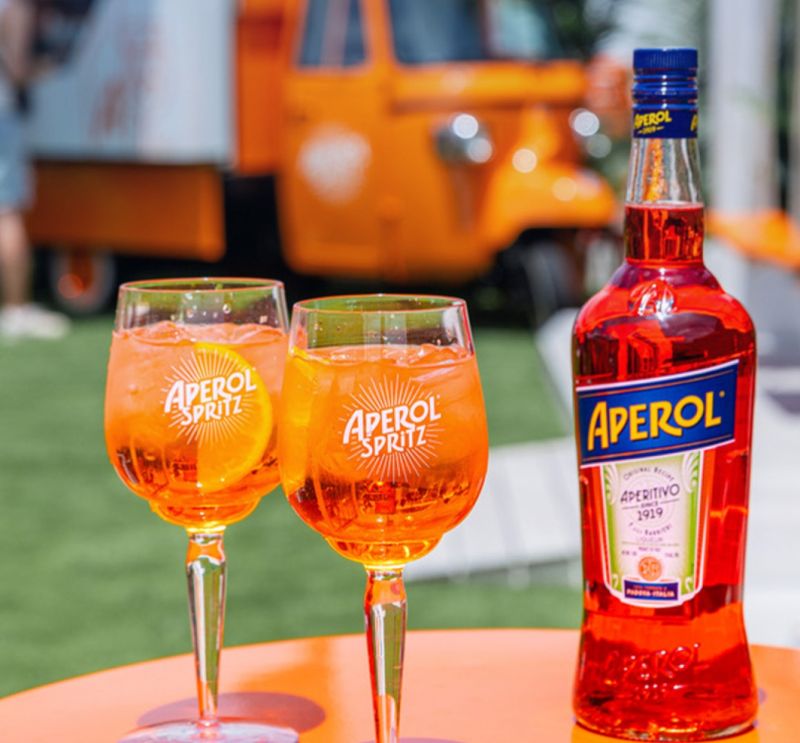
Campari said it has entered exclusive talks to sell its Martinique rum brands Trois Rivières, La Mauny and Duquesne to a French industrial buyer, as the Italian spirits group sharpens its focus on Aperol Spritz and a smaller set of global priority labels.
The company also signed a sale agreement covering Bisquit & Dubouché cognac and Cabo Wabo tequila, management said while presenting first-half results. Together, the five brand disposals are expected to bring in about €30 million, according to the company. Campari bought the Martinique rum brands in 2019 for roughly €60 million, or about twice the expected proceeds from the current transaction.
The move is part of a broader portfolio reshaping under which Campari has been reducing exposure to noncore assets and concentrating investment behind brands it sees as strategic. The group said those priority labels include Aperol, Campari, Grand Marnier, Courvoisier cognac, Espolòn tequila and Skyy vodka. In 2025, it had already sold Cinzano aperitifs and the Italian digestifs Averna and Zedda Piras for about €100 million.
Chief executive Simon Hunt said the company had once needed some of those brands to help open new markets, but that this was no longer the case. He said the agricole rum portfolio had been acquired in part to support market entry in France. After shedding about 4% of its portfolio, Campari expects this round of disposals to end by late 2026, Hunt said.
The sales come as Campari reported first-half results that beat expectations, helped by aperitifs as well as solid tequila and cognac demand. Revenue reached €1.51 billion. That was down 1% on a reported basis because of brand sales and the effect of the U.S. dollar exchange rate, but up 2.7% excluding those factors.
Reported net profit fell 37.7% to €129 million, weighed down in part by €82 million in writedowns tied to assets held for sale. Adjusted net profit rose 4.7% from a year earlier to €226 million, above the €216 million expected by analysts surveyed by FactSet.
Aperitifs remained the main growth engine in the business. Aperol now accounts for 29% of group sales, with revenue of €438 million in the first half, up 2.3% from a year earlier. Campari has been pushing harder in the United States with marketing around Aperol and Campari and expanding ready-to-drink spritz formats sold in cans, bottles and on draft.
The company reaffirmed its target for organic sales growth of about 3% in 2026 and raised its operating margin outlook after saying the impact of U.S. tariffs should be less severe than previously expected. It now estimates that effect at about €20 million for the year, down from an earlier forecast of €30 million.
For the beverage sector, the deal points to a continued shift by large spirits groups toward fewer brands with stronger global scale and clearer consumer occasions. That could mean more investment flowing into aperitifs, ready-to-drink cocktails and high-volume international labels, while smaller regional spirits assets increasingly move into the hands of specialized owners that may be better positioned to develop them in their home markets.