Trump orders ban on Canadian alcohol imports after talks fail
The Sept. 29 restrictions also cover dairy products, motorcycles and mopeds, increasing pressure on small importers, distributors and retailers.
Wednesday, September 16, 2026
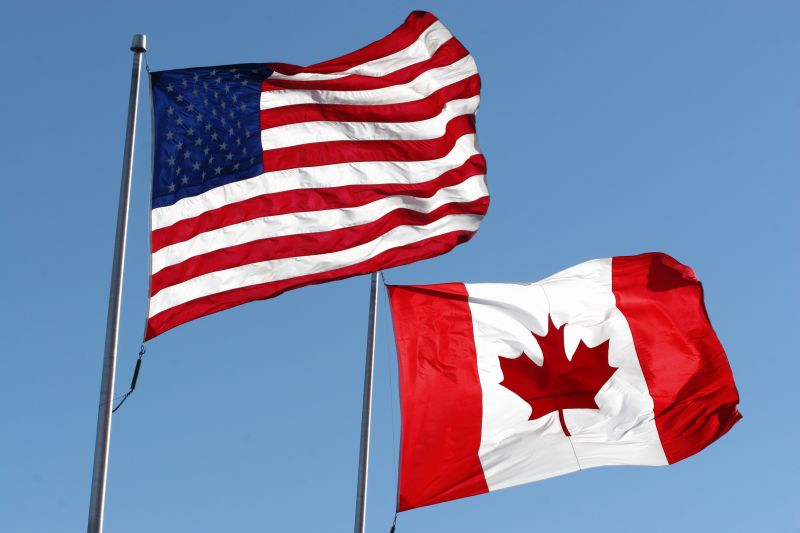
President Donald Trump has moved to ban imports of some Canadian goods, including alcoholic beverages, in the latest escalation of the U.S.-Canada trade dispute, opening a new source of strain for small businesses already facing higher costs during the war in Iran.
The new restrictions are set to take effect Sept. 29. AP reported that the broader trade fight is adding to the pressure on small businesses as costs rise during the Iran war. The Conveyor, which reported on the signed proclamation, said Trump used Section 338 of the Tariff Act of 1930 to impose the ban after negotiations with Canada failed to produce a deal.
The exact scope of the alcohol restrictions was described somewhat differently across the available reports, but both pointed to a direct hit on the drinks trade. AP’s monitored summary said the U.S. action would block Canadian wine and whisky after Canada retaliated against earlier U.S. measures. The Conveyor reported that the proclamation applies more broadly to Canadian alcohol, covering beer, wine, cider and spirits, and also extends to dairy products, motorcycles and mopeds.
The administration said Canada discriminates against American alcohol by banning or restricting it in ways it does not apply to products from other countries. The Conveyor reported that U.S. officials said Canada kept those restrictions in place even after Washington temporarily suspended extra duties on the same categories last month to allow talks to continue. That temporary pause expired without an agreement.
The shift from tariffs to an import ban raises the stakes for companies that depend on routine cross-border shipments. A tariff can raise the landed cost of a product while still allowing it to enter the market. A ban can cut off that flow entirely. That distinction matters for smaller importers, distributors and retailers, which often have less inventory on hand and fewer alternative supply options than larger national operators.
AP said the trade war is further burdening small businesses at a time when the Iran war is already pushing up costs. For many smaller firms, that leaves little room to absorb another shock. A company that specializes in a narrow range of imported products may have to rush shipments, renegotiate orders, replace brands or pass along higher costs to customers in a short period.
That pressure could be especially clear in the beverage business. Canadian wine, beer and spirits move through a chain of importers, wholesalers, stores, restaurants and bars that rely on steady schedules and predictable pricing. If the restrictions remain in place, they could disrupt normal supply, tighten availability in some categories and squeeze margins for businesses that sell imported alcohol. Companies may be forced to look for substitute products, but replacements do not always match the same price point, customer demand or delivery timeline.
Even a limited interruption can affect the market before the ban officially begins. Buyers may accelerate orders to get shipments across the border before Sept. 29. Distributors may revise purchase plans. Retailers and restaurant groups may start adjusting shelf space, menus and pricing in anticipation of gaps in supply. In a drinks market where many purchases are planned weeks or months ahead, uncertainty alone can change behavior.
The order also reaches beyond beverages. The Conveyor said it includes dairy products and motorcycles and mopeds, widening the dispute into other parts of the consumer and industrial economy. But the alcohol trade stands out because of how often products cross the border through smaller, specialized businesses rather than through a handful of large manufacturers alone.
Canada signaled that it expects economic pain from the standoff but is not prepared to retreat. Prime Minister Mark Carney called the fallout “tough times ahead,” according to The Conveyor, while saying the alternative to standing firm “would be far worse.” Trade Minister Dominic LeBlanc said Canada remains open to negotiations and that Ottawa would work “in good faith” toward “a more secure, mutually beneficial trading relationship” when the United States is ready to engage.
The latest step turns a political dispute between two close trading partners into a practical problem for companies that must decide, quickly, how to move inventory and manage contracts. For the beverage sector, the fight is no longer only about trade policy. It is becoming a supply and pricing issue that could be felt across import channels, store shelves and restaurant drink lists if the restrictions take effect as planned.