La Rioja farm groups say wineries pay grape growers below production costs
The dispute returns during the earliest harvest on record, with growers warning low prices threaten rural livelihoods.
Wednesday, September 16, 2026
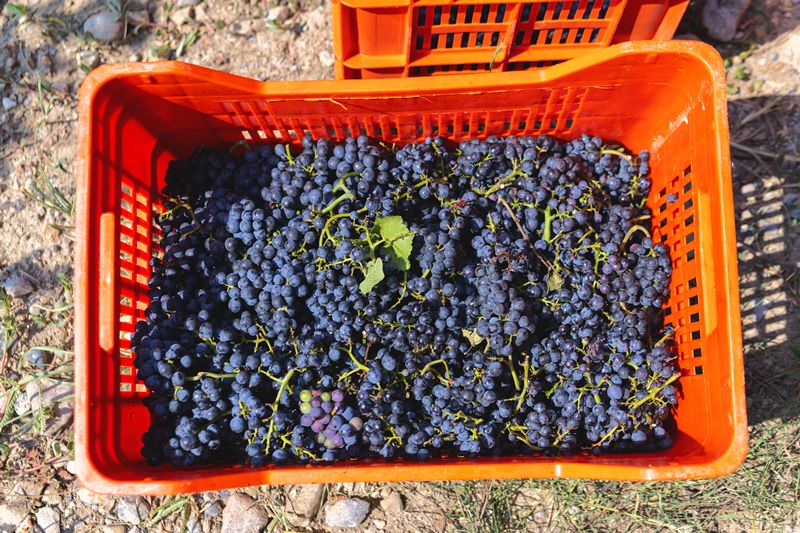
Agricultural organizations in Spain’s La Rioja wine region said Wednesday that grape growers are again being paid below their production costs during the current harvest, reopening a long-running dispute over farm incomes in one of Europe’s best-known wine areas.
The complaint came from three farm groups, UAGR, UPA-Rioja and ARAG-Asaja, as this year’s harvest moves through what sector representatives describe as the earliest start on record. The picking began on Aug. 6 with white varieties, according to statements carried by Radio Rioja, and the early schedule has become one of the clearest signs of how the region’s vineyards are changing.
Grower representatives said the advance is no longer an exception. Roberto Ruiz Clavijo, coordinator of UAGR, linked the earlier harvest to climate change and said farmers and wineries will have to adapt not only in vineyard work but also in marketing and broader agricultural policy. He warned that the pressure on the sector is not only an economic issue but also a rural one, arguing that continued strain on growers could deepen depopulation in La Rioja’s wine villages.
This year’s weather has added to those concerns. Farm leaders said the region experienced the highest temperatures since records began, leaving some vines stressed even though disease pressure was lower than in other seasons. Néstor Alcolea, secretary general of UPA-Rioja, said the campaign had been generally healthy and was expected to produce a good crop overall, with no major problems from vine diseases. But he added that the hottest summer on record had reduced output in some areas, cutting the number of kilos growers can bring in and limiting income at the farm level.
The farm groups also said the timing of ripening has exposed operational problems inside wineries. Igor Fonseca, secretary general of ARAG-Asaja, said some cellars were not fully prepared to handle grapes reaching maturity so early. He pointed to difficulties in selecting fruit at the right time and to cooling constraints at wineries, which can be critical when grapes arrive in very warm conditions. In some cases, he said, wineries have imposed daily delivery quotas, making harvest logistics harder for growers who already face a narrow window to pick fruit at the desired quality.
Against that backdrop, the three organizations said the central problem remains the same as in previous years: the price paid for grapes. They contend that current payments do not cover the cost of production, even in a season that has had fewer plant health problems than the last one. Their proposed remedy goes beyond annual price talks. The groups said a subsidized vineyard removal program should be launched next year and financed by the regional governments of La Rioja and the Basque Country, arguing that the region has too much vineyard area for present market conditions and that growers need a structural response.
That view is not shared across the industry. On the commercial side, the export group Esencia Rioja described the harvest as the earliest in the historical series but still positive in quality and vineyard performance. Íñigo Torres, the group’s general manager, said yields have recovered this year and that vineyards developed well despite the intense heat. He also said the absence of the fungal disease problems seen last year should lower growers’ spending on crop protection products, helping improve margins.
Torres rejected the idea that this year’s pricing automatically points to worsening returns for growers. He said grape prices are set by each winery individually, but argued that market levels are broadly stable compared with last year. In his view, that stability should be read alongside higher yields than in 2025, when a short crop pushed prices up sharply. With more kilos per hectare and lower disease-control costs, he said, growers’ profitability should improve this year rather than deteriorate.
The disagreement highlights a broader tension in Rioja’s wine economy. Farmers measure viability through the gap between what they receive for grapes and what it costs them to maintain vineyards under rising heat and shifting harvest dates. Wineries and exporters, by contrast, are weighing a vintage that appears healthy, earlier than ever and capable of producing very good wines. Both sides are responding to the same campaign, but they are drawing different conclusions from it.
The issue matters well beyond this year’s harvest. If the gap between production costs and grape prices persists, it could further weaken independent growers and speed up decisions to pull out vineyards, especially if public subsidies are offered for uprooting. Over time, that could reshape grape supply for Rioja wineries and affect the balance of offerings in the wider European wine market, where producers are already adapting to climate pressure and changing demand.
For now, the region is harvesting fruit that much of the trade expects to turn into high-quality wine, while farm groups are pressing their warning that quality alone does not solve the income problem. The market side says recovered yields and stable prices should support growers this season, but the organizations representing those growers say many farms still cannot make the numbers work and want regional governments to prepare intervention measures for next year.