Drought, spring frosts cut Ribera del Duero grape yields
Growers say the fruit remains healthy despite an earlier harvest and losses of more than 90% in some plots.
Monday, September 14, 2026
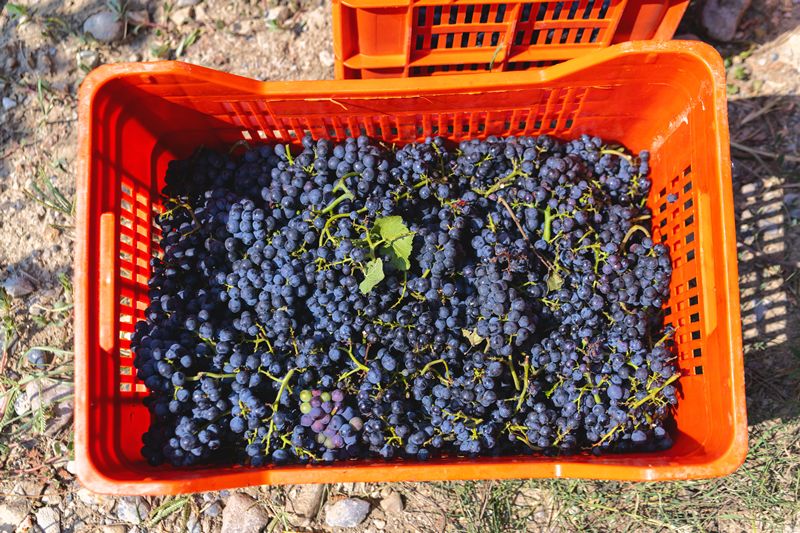
Drought and spring frosts have cut grape yields in Spain’s Ribera del Duero wine region this season, even as growers report that the fruit coming into wineries is in generally good condition.
The harvest has already passed 22 million kilograms in the area, according to information aired Monday by Cadena SER from Aranda de Duero, one of the main towns in the appellation. The campaign is nearing its final stretch after a growing season shaped by sharp weather swings, lower output and an earlier-than-usual ripening cycle.
Juan Jesús Peña, a technician at Cecoga, told the broadcaster that the season began with a very wet winter and spring. That pattern changed in May, when a dry spell set in and began to affect crop development. High temperatures and the broader weather pattern also pushed vines through their growth stages much earlier than normal, with flowering and other key phases arriving as much as a month ahead of the usual calendar.
Those conditions were compounded by frosts in April and May that hit some vineyards especially hard. In the worst-affected plots, losses topped 90%, Peña said, although the damage varied widely by location.
Even with those setbacks, the general health of the grapes remains positive. Peña said pest and disease control has worked well this year, helped in part by an early warning from the Ribera del Duero Regulatory Council about the risk of downy mildew. That monitoring allowed growers to respond quickly and helped preserve the overall sanitary condition of the vineyards. Some isolated issues linked to mites and moths were detected during the season, but not on a scale that broadly threatened grape quality.
The main pressure point this year is volume. Heat has sped up ripening, while severe drought affected fruit set and reduced the final amount of grapes available for harvest. In that context, the Regulatory Council lowered the maximum authorized yield for tempranillo, the region’s main red variety, to 6,300 kilograms per hectare from 7,000 kilograms per hectare.
That change matters beyond the vineyard because Ribera del Duero is one of Spain’s most important wine regions. Lower yields and an earlier harvest can force wineries to adjust grape purchases, staffing and fermentation schedules, and they may tighten the volume of wine available from the 2026 vintage even if quality remains solid.
The season is also adding to concern about how climate patterns are changing wine production in the area. Peña said some newer plantings and certain vineyard sites are moving to higher elevations, where cooler temperatures and colder nights can help grapes keep acidity as conditions warm. That shift reflects a broader effort by growers to protect style and balance in wines made from the region’s vineyards.
Beyond the immediate crop, Peña also pointed to the importance of keeping the field logbook up to date, a record that wineries require from growers and that is used to document work carried out in each plot. Cecoga is providing support to farmers and winegrowers to prepare and maintain that paperwork during the campaign.
Taken together, the season in Ribera del Duero is producing a familiar but increasingly difficult combination for growers: sound fruit quality, but less fruit to pick. In one of Europe’s best-known red wine regions, the 2026 harvest is being shaped not by a single weather event, but by a chain of wet months, dry months, frost damage and accelerated ripening that has again exposed how vulnerable vineyard output is to changing conditions.