New Jersey Importer Sues Trump Over 50% Tariffs on Canadian Goods
The case before the U.S. Court of International Trade tests whether Section 338 permits sweeping duties on Canada
Wednesday, October 21, 2026
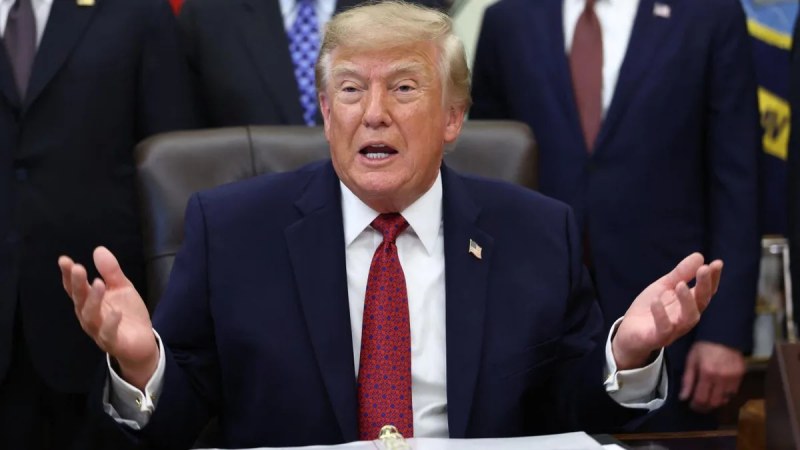
A New Jersey food importer has sued the Trump administration over the 50% tariffs the president imposed on goods from Canada, opening a new legal fight over the scope of White House trade powers and the costs those measures can place on U.S. businesses.
The company, Gellert Global Group, filed the case in the U.S. Court of International Trade, the specialized federal court that hears disputes involving customs and trade law. The lawsuit challenges the legality of the tariffs and the administration’s use of Section 338 of the Tariff Act, an old statute that the company says does not give the president authority to impose such sweeping duties on a close trading partner.
Gellert Global Group is based in New Jersey and imports food products. The company argues that the Canadian tariffs directly harm its business by sharply increasing the price of goods it brings into the United States. A 50% duty can force importers either to absorb a major share of the cost, cut orders, raise prices for wholesalers and retailers, or pass the burden on to consumers.
The case adds to the growing pressure on the administration’s trade agenda, which has faced repeated legal scrutiny as Trump has relied on several different laws to impose or threaten tariffs. In this lawsuit, the challenge centers on Section 338, a provision dating to 1930 that has rarely been used and is now being tested in court in a high-stakes dispute with one of the United States’ largest trading partners.
Canada is a major supplier of food and consumer products to the U.S. market, and any prolonged dispute over tariffs can ripple through supply chains on both sides of the border. For importers, distributors and retailers, the uncertainty can make it harder to plan orders, prices and inventory. That concern extends beyond food. Because the same legal authority has also been used to restrict some Canadian alcoholic beverage imports, the case could matter for companies that deal in beer, wine and spirits, adding more uncertainty to cross-border beverage trade if the policy remains in place or expands.
The lawsuit was filed as businesses continue to weigh whether to challenge trade actions in court rather than wait for changes through negotiations or politics. Cases in the Court of International Trade often turn on technical questions about statutory authority, but the practical consequences can be broad. A ruling against the administration could limit the government’s ability to use Section 338 in future disputes and could affect how other companies respond to tariffs already in place.
A ruling for the government, by contrast, would strengthen the administration’s hand and could encourage wider use of the same authority in trade conflicts. That is one reason the case is being watched closely by importers that depend on Canadian products and by industries that fear becoming targets of broader restrictions.
The challenge also underscores how trade policy can quickly become a domestic business issue. While tariffs are often presented as a tool to pressure foreign governments, the immediate bills are paid by U.S. importers at the border. Companies then decide how much of that cost they can bear and how much they must pass on through the supply chain.
For businesses that operate on thin margins, a 50% tariff can be especially difficult to manage. Importers may need to renegotiate contracts, seek substitute suppliers, delay shipments or reduce product lines. Those adjustments can affect stores, restaurants and manufacturers that rely on Canadian inputs, especially when sourcing alternatives is not simple or cheap.
The Trump administration has defended its broader tariff strategy as a way to advance U.S. economic and trade interests. But the Gellert case now asks the court to decide whether the president used a law that actually permits the move. That legal question, now before the trade court, could shape not only this dispute with Canada but also the future reach of presidential tariff authority.