Lower-Priced Spirits Make Up 61% of U.S. Sales Volume
SipSource data suggests consumers are trading down, leaving $50 bottles with only 6.5% of the market by volume.
Tuesday, October 6, 2026

Views › 2891
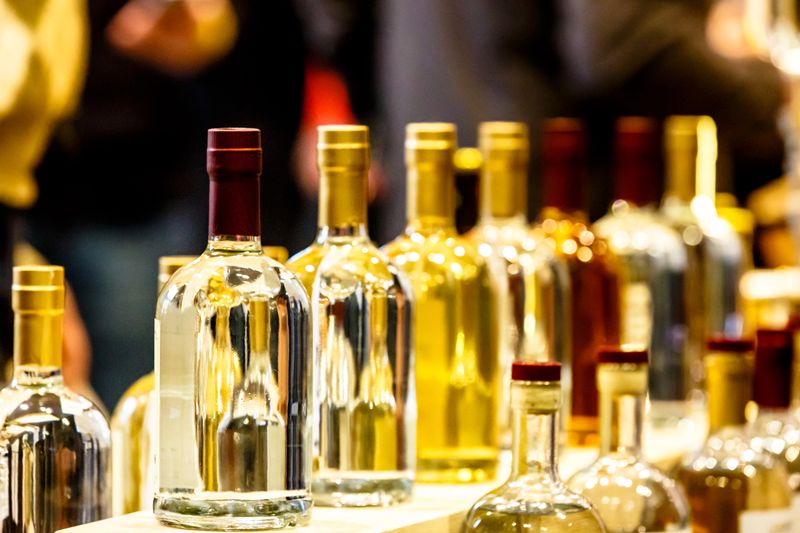
Lower-priced bottles now account for most U.S. spirits volume, according to the latest pricing breakdown from WSWA’s SipSource, a sign that consumers continue to pull back from higher-end purchases as suppliers and distributors face a weaker market.
SipSource said 61% of spirits sales by volume in the United States come from brands and products priced below $20 a bottle. At the other end of the market, products priced at $50 or more account for only 6.5% of volume. That means the lower-priced segment holds a lead of 54.5 percentage points over the $50-and-up tier and is about 9.4 times larger by volume.
The figures were reported in SipSource data released Oct. 5 and cited by Shanken News Daily. The data points to a continued shift away from premiumization in spirits, a trend that has been building as drinkers respond to tighter household budgets and greater caution in discretionary spending. SipSource said the $20-to-$30 segment has remained relatively steady, even as consumers move away from luxury offerings.
The pricing split is important because it shows where most of the market is now concentrated. For producers that expanded premium and super-premium lines in recent years, the new breakdown suggests that much of the industry’s volume is being driven by bottles at the lower end of the price ladder. That can put pressure on margins and raise questions about inventory levels, product mix, and pricing strategy, especially for companies with a heavy exposure to more expensive labels.
The data does not show how many cases were sold in each price tier, how much revenue each segment generated, or how the share of each band compares with earlier periods. SipSource also did not provide the exact closing date for this specific price-band snapshot in the material cited by Shanken News Daily. Because of those limits, the figures show the current shape of the market but do not allow a direct calculation of how much the economy segment has gained over time.
Even with those limits, the gap between the two ends of the market is wide. A market in which nearly two-thirds of volume comes from bottles priced below $20 looks very different from the premium-led growth story that dominated much of the past decade. The fact that only 6.5% of volume comes from bottles priced at $50 or more suggests that the luxury end, while still important for image and profit on a per-bottle basis, is playing a much smaller role in overall sales volume.
SipSource’s comment that the $20-to-$30 band is holding up better than luxury spirits offers a more detailed picture of consumer behavior. It suggests some buyers are still willing to spend beyond entry-level prices, but are becoming more selective and stopping short of higher-ticket purchases. That kind of trading down can help explain why the middle of the market appears more stable than the top.
The data arrives at a time when the broader beverage alcohol business remains under pressure. In the report cited by Shanken News Daily, SipSource said the overall wine and spirits market continued to decline, though the user-provided figures on general channel performance combine wine and spirits and do not isolate spirits alone. For that reason, the price-band figures for spirits stand out as one of the clearest indicators in the latest release of how consumers are behaving within the category.
For large spirits suppliers, the mix matters beyond simple case volume. A larger share of business in lower-priced products can affect distributor economics, retailer shelf strategy, and promotional activity. It may also lead companies to reconsider how much emphasis to place on prestige expressions, line extensions, and premium packaging if shoppers are showing greater resistance to high prices.
The numbers may also influence decisions in bars and restaurants, where operators have had to adjust back-bar assortments and cocktail pricing to match customer demand. If consumers remain willing to buy in the middle tier but are cutting back on luxury pours, operators may respond by expanding offerings that sit in the $20-to-$30 retail range and trimming slower-moving top-end stock.
What the new SipSource snapshot makes clear is that lower-priced spirits dominate the U.S. market by volume. With 61% of sales coming from bottles below $20 and just 6.5% from bottles at $50 or more, the latest data shows a market that is leaning heavily toward value, while the industry’s earlier premiumization trend continues to lose force.