Still wine production in Russian-annexed Crimea fell 24.7% through August.
Sparkling output dropped 38% after attacks on supply routes, fuel shortages and power cuts disrupted wineries.
Friday, September 18, 2026
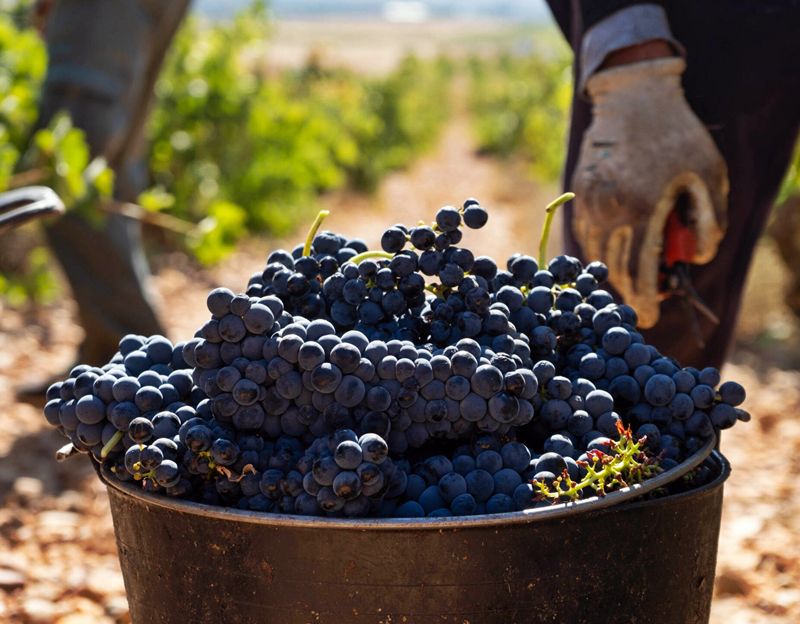
Wine production in Russian-annexed Crimea fell by about one-quarter in the first eight months of 2026, according to a Friday report by Kommersant that cited data from Russia’s Federal Alcohol Market Regulation Service, as fuel shortages and repeated attacks on supply routes disrupted output on the peninsula.
The data showed that still wine production in Crimea dropped 24.7% from a year earlier between January and August, while sparkling wine production fell 38%. The decline was steeper than the overall slowdown across Russia’s wine industry during the same period. Nationwide, still wine output fell by nearly 15%, and sparkling wine production declined 14.5%, the report said.
The setback matters beyond Crimea because the peninsula is a major supplier for the Russian wine market. It accounts for about 20% of still wine and 10% of sparkling wine sold in Russia. A sustained drop of this size could affect supply to distributors, retailers and restaurants, while also adding pressure to transport and packaging costs across the broader beverage sector.
Kommersant said industry experts linked the slump to a rise in Ukrainian attacks on Crimea over the summer. Those attacks, according to the report, led to an acute shortage of fuel and interrupted shipping links between the peninsula and mainland Russia. The disruptions hit a part of the industry that depends on steady deliveries of glass bottles, corks and other packaging materials before wine can be bottled and shipped to market.
Experts cited by the newspaper said moving those supplies has become both more expensive and more dangerous. That has increased pressure on producers that were already dealing with logistical constraints tied to the war. For wineries, higher transport costs can quickly affect production schedules, storage plans and delivery times, especially when key materials must arrive from outside the region.
The report also said rolling power outages have added to the strain on local producers. Strikes on energy infrastructure have periodically cut electricity, creating another obstacle for wineries that rely on stable power for processing, bottling and storage. Even temporary outages can slow operations during critical stages of production.
Crimea’s wine industry has also been affected by weaker local demand tied to the collapse in tourism. According to the report, fewer tourists have traveled to Crimea this year because of deadly Ukrainian attacks, and that has reduced purchases that are usually made by vacationers visiting the region. Tourist spending has long been an important source of sales for local wineries, particularly for direct purchases at vineyards, shops and hospitality sites.
The weaker output in Crimea comes as the Russian wine market faces broader pressure, but the peninsula’s decline stands out because of its role in the country’s supply chain. If lower production continues through the rest of the year, it could leave less product available in some sales channels and force sellers to rely more heavily on supplies from other Russian regions or imports, depending on price and availability.
Even so, the outlook for the rest of the year is not entirely negative. Kommersant reported that winemakers expect production to recover later in 2026, supported by forecasts for a strong grape harvest that some in the industry say could be the best in a decade. Whether that rebound materializes will depend not only on the size of the harvest, but also on whether fuel supplies, transport links and power infrastructure become more stable during the harvest and bottling season.