Colli Tortonesi Sets New Planting Allotment at Zero After Timorasso Output Reaches 1.75 Million Bottles
Production more than doubled from 2024, vineyard area topped 500 hectares, and the consortium reported no stock buildup
Monday, September 14, 2026
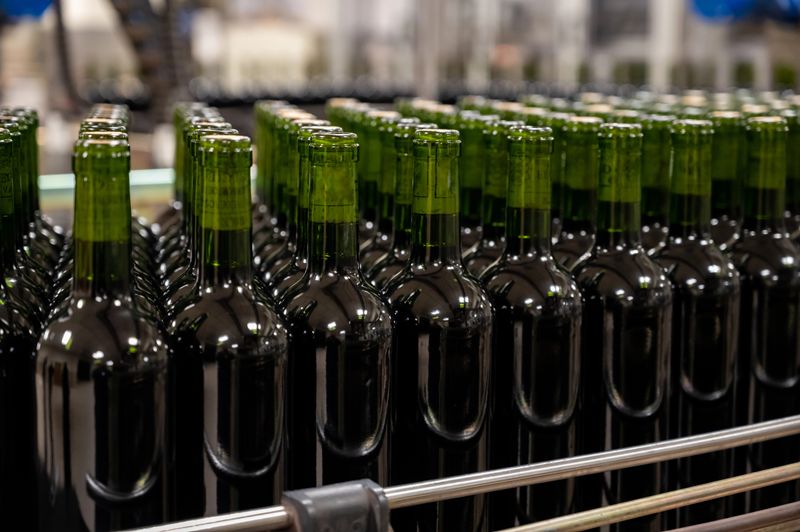
Production of Colli Tortonesi DOP Derthona Timorasso, a protected wine designation in Italy’s Piedmont region, reached about 1.75 million bottles in 2025, more than double the roughly 800,000 bottles recorded in 2024, according to figures published by Fondazione Qualivita and attributed to the Consorzio Tutela Vini Colli Tortonesi. The consortium also said vineyard area in the denomination has now moved past 500 hectares, up from about 100 hectares in 2016.
The figures point to a fast expansion in one of Piedmont’s closely watched white wine areas. Over the past 10 years, the number of member producers has risen from about 40 to 120, the consortium said. That growth has come from both long-established wineries in the Colli Tortonesi area and newer investment by prominent Piedmont wine companies that have entered the zone more recently.
Gian Paolo Repetto, president of the Consorzio Tutela Vini Colli Tortonesi, said the denomination’s development has been supported by that mix of local producers and outside capital. He said the combination has allowed the area to grow in a significant but still orderly way. The data suggest that what was once a much smaller production base has turned into a larger and more structured system in a relatively short time.
The rise in output has been strong enough that the consortium has decided to tighten future expansion. For the next planning cycle, it has set the allotment for new plantings at zero. The stated aim is to prevent further growth in potential vineyard area while hectares authorized in previous years are still coming into production. In practice, that means the consortium is trying to slow the opening of new capacity even as existing approved vineyards continue to add grapes and, eventually, bottles to the market.
The move comes as Timorasso has become the clear center of gravity in the denomination. The consortium said the Timorasso grape now accounts for 60% of the denomination’s total volumes. That concentration helps explain why the performance of Derthona Timorasso is being watched closely by growers, bottlers, and distributors. When one grape makes up most of a denomination’s output, decisions on planting and release schedules can have an outsized effect on the market.
At the same time, the consortium said demand remains strong enough to absorb the higher supply. It reported no signs of commercial stock accumulation despite the sharp jump in bottled volume from 2024 to 2025. That point is important because rapid increases in vineyard area and output can create pressure on prices or leave producers with unsold inventory if sales do not keep pace. In this case, the consortium’s position is that the market has so far been able to take in the added volume.
For the broader beverage industry, and especially the wine trade, the development offers a clear example of how appellation groups may try to keep supply aligned with demand when production rises quickly. If volumes continue to climb, limiting new planting rights or eligibility can be used as a tool to reduce the risk of market saturation. That does not guarantee future balance, but it shows how consortia may intervene before a fast-growing category starts to outpace commercial demand.
The numbers also show how quickly production potential can build once new vineyards are planted and investments start to flow into a denomination. Moving from about 100 hectares in 2016 to more than 500 hectares today represents a fivefold increase in less than a decade. At the same time, the increase in member wineries from about 40 to 120 shows that growth has not been limited to land alone. It has also changed the business structure of the denomination, expanding the base of companies involved in growing, vinifying, and marketing the wines.
Fondazione Qualivita, which published the data on Sept. 9, cited the consortium’s assessment that this phase of expansion is still being met by demand rather than by inventory buildup. Even with the decision to halt new planting allotments in the next cycle, more previously authorized hectares are expected to come into production, which means the denomination may continue to add volume before the effects of the latest restrictions are fully felt.