Italy’s Senate Reserved Gran Selezione for Chianti Classico
The final vote blocks other Italian denominations from using the label, strengthening Chianti Classico’s legal claim after years of dispute
Friday, November 6, 2026
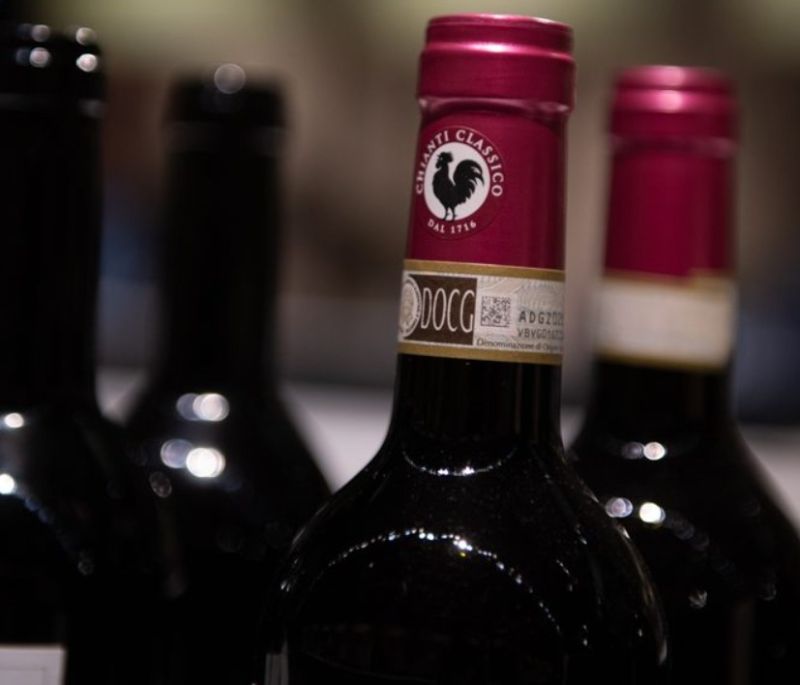
Italy’s Senate approved a measure on Wednesday, November 4, that reserves the label Gran Selezione exclusively for Chianti Classico, giving legal protection to a term that has been used by that Tuscan denomination since 2014.
The change, approved in a final vote, amends the national rules that govern Italy’s wine sector and bars other Italian denominations from using Gran Selezione on their labels. The decision affects one of the country’s best-known premium wine categories and settles a long-running issue over who can use the phrase in the marketplace.
Chianti Classico is the only denomination that has used Gran Selezione since it introduced the category into its production rules in 2014, according to the Chianti Classico Wine Consortium. Supporters of the change said the Senate’s vote brings Italian law into line with a principle they say is already recognized under European rules: that the denomination that established and developed the category should retain exclusive rights to it.
The move is significant because Gran Selezione has become an important part of Chianti Classico’s quality ladder. Within the denomination, the term identifies wines at the top end of production and has been used by producers to signal a stricter and more distinctive expression than standard Chianti Classico and Riserva bottlings. Since the category was introduced, wineries in the zone between Florence and Siena have invested in marketing, production and brand positioning around the term.
By reserving the phrase to Chianti Classico, lawmakers have given producers in that area stronger legal backing in disputes over labeling and commercial use. The change also sets a clearer boundary for other Italian appellations, which will have to rely on different wording if they want to identify higher-tier wines.
The Senate vote was welcomed by Giovanni Manetti, president of the Chianti Classico Wine Consortium, who said the result followed a long and complex effort to defend the denomination’s work and identity. In comments released after the vote, Manetti said producers had believed in the Gran Selezione project from the start and had continued to support it through years of regulatory debate.
The issue has mattered to producers because premium wine categories can carry strong commercial value, especially in export markets where Italian regional names compete for shelf space and consumer recognition. A legally protected term can help preserve the link between a wine’s label, its place of origin and the production rules behind it. For Chianti Classico, that link has become more important as the denomination has tried to strengthen its position in the upper end of the global wine market.
The Senate’s action also highlights the sensitivity of naming rules in Europe’s wine system, where classifications are closely tied to geography, tradition and production standards. In that framework, even a short phrase on a label can become the subject of a broader struggle over market identity and the value created by a denomination over time.
The measure was announced from Barberino Tavarnelle, near Florence, where the Chianti Classico consortium is based. Producers in the denomination are now expected to continue promoting Gran Selezione as a category tied only to Chianti Classico, while other Italian wine groups assess how the new legal wording affects the terms they can use on future labels.