Most English publicans back curbs on cheap supermarket alcohol, report finds
The survey of 200 pub operators found support for minimum unit pricing, stricter retail rules and lower drink-driving limits.
Thursday, September 17, 2026
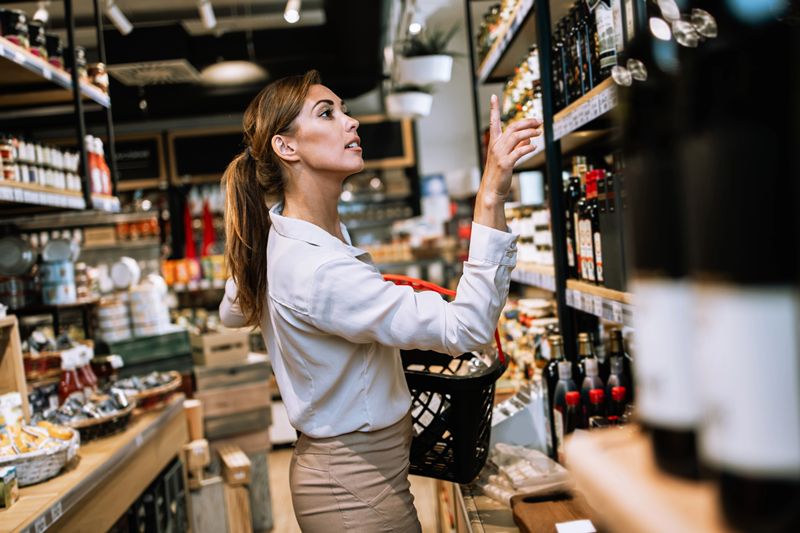
A majority of pub operators surveyed in England support tougher action on low-cost alcohol sold by supermarkets, convenience stores and delivery services, according to a new report that could add weight to calls for changes in alcohol pricing and retail regulation.
The report, published Sept. 15 by the Institute of Alcohol Studies, is based on interviews with 200 publicans across England. It found that many licensees back policies often associated with public health groups, including minimum unit pricing, stronger controls on off-trade sales and a lower legal drink-driving limit.
The findings challenge a common assumption that pub owners broadly resist tighter alcohol regulation. Instead, the survey suggests many see cheap alcohol sold for home consumption as both a public health problem and a commercial threat to pubs.
According to the report, 62% of publicans said alcohol sold in supermarkets is too cheap. A similar share, 60%, said they support government action to narrow the price gap between alcohol sold in pubs and alcohol sold in retail stores. On minimum unit pricing in England, 58% said they support the policy, while 14% said they oppose it.
The report also found backing for stricter licensing rules affecting the off-trade, a term used for alcohol sold for consumption away from licensed premises. That includes supermarkets, convenience stores and fast home-delivery services. In the survey, 56% of respondents said they would favor stricter licensing controls for that part of the market, while 20% said they were opposed.
Researchers said concern about the shift in drinking from pubs to the home ran through many responses. The report argues that growing off-trade sales have increased pressure on pubs at a time when operators are also facing broader financial strain. It also says the expansion of supermarket and delivery alcohol sales has contributed to alcohol-related harm.
While policy questions drew strong views, respondents said their most immediate problems were economic. Rent, energy and staffing costs were each named by 43% of publicans as major challenges. Supplier costs were cited by 41%, and 33% pointed to business rates.
The survey found support for several other alcohol policy measures. More than half of those interviewed said they support health warning labels on alcoholic drinks. Another 46% said alcohol marketing restrictions should be brought into line with rules used for unhealthy food products.
One of the strongest findings involved road safety. Three-quarters of respondents said they would support a lower legal drink-driving limit. The report said that support extended to rural operators, a group often described as especially exposed to tighter drink-driving rules because many customers travel by car.
Publicans also backed more spending on treatment and public information. The report found that 67% support greater investment in alcohol treatment services, and the same share supports public education campaigns.
The Institute of Alcohol Studies said the results show policymakers should make a clearer distinction between alcohol sold in supervised hospitality settings and low-cost alcohol bought for home drinking. Among the report’s recommendations are an increase in duty on off-trade alcohol, an expansion of draft relief, the introduction of minimum unit pricing in England, stronger powers for local authorities over alcohol sales and deliveries, and more support for pubs through lower costs and business rates relief.
The findings may have implications beyond pubs. If they feed into the regulatory debate in England, they could affect pricing, tax and labeling rules for beer, wine and spirits, especially in the retail and delivery channels where much of the concern is focused. Any move to narrow the gap between pub prices and store prices would likely be closely watched by beverage producers, supermarkets and on-demand delivery companies.
The report was covered by the Institute of Licensing, which said the research challenges assumptions about where the pub trade stands on alcohol policy. The term “publicans” in the study refers to pub operators and licensees.
The study does not represent the views of all operators in England, but it offers a snapshot of opinion from a section of the trade at a time when the government continues to face pressure over high street closures, public health harms linked to alcohol and the financial viability of pubs. The survey suggests that, for many publicans, those issues are increasingly tied together, with cheap off-trade alcohol seen as a central part of the problem.