China more than doubled September imports of New Zealand bottled wine at a 34% lower average value
The gain lifted New Zealand to China’s third-largest bottled wine supplier by value, reflecting stronger demand for white wine in a weak market
Wednesday, October 28, 2026
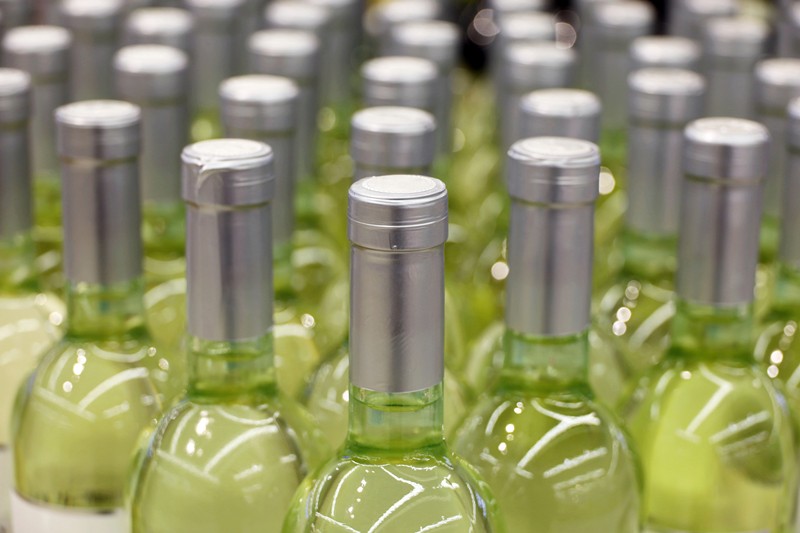
China more than doubled its September purchases of bottled wine from New Zealand by volume, but the money it spent rose much more slowly, pointing to a sharp drop in the average value of those imports.
According to a report published on Tuesday, October 27, by Yicai and reproduced by Sina Finance, China imported 1.13 million liters of bottled wine from New Zealand in September. That was 127.5% more than in September 2025. The value of those imports rose 50.1% from a year earlier.
Taken together, those two growth rates imply that the average import value per liter fell by about 34% from a year earlier. That estimate is based on the relationship between the reported change in volume and the reported change in value. It is not a direct customs figure, and it can reflect changes in pricing, product mix, or both.
The gap between the rise in volume and the slower increase in spending stands out because it suggests that Chinese buyers brought in far more New Zealand bottled wine without paying proportionally more for it. That may mean lower-priced products gained share, discounts increased, or shipments shifted toward different styles and labels. Import data alone cannot show which of those factors was most important, and imports do not necessarily match final consumer sales.
The report said New Zealand had risen to the third-largest source of China’s bottled wine imports by value in September. It linked that performance to stronger demand for white wine in China at a time when the broader wine market remained subdued.
The broader backdrop is weaker overall wine imports into China. The same report said that, across all supplier countries and all wine categories, China imported about 160 million liters of wine from January through September, down 5.3% from the same period a year earlier. At the same time, the total value of those imports reached about $1.17 billion, up 5.6%. That means the wider market bought less wine by volume but spent more overall, a pattern that contrasts with the September trade data for New Zealand bottled wine. The January-through-September figures are market-wide totals and are not a cumulative bilateral total for New Zealand.
The report also pointed to a shift in Chinese wine demand away from red wine and toward white wine. Industry speakers cited by Yicai said white wine has been gaining share in recent years, helped by changes in drinking occasions and retail channels. They said more consumption is tied to personal, casual use rather than traditional business banquets, and that newer channels such as instant retail, warehouse clubs, and other modern grocery formats have supported chilled white wine sales.
That trend matters for New Zealand because its wine exports are strongly associated with white varieties, especially sauvignon blanc. If Chinese importers are buying more white wine while the total wine market remains under pressure, New Zealand suppliers may be benefiting from a change in taste rather than a broad market recovery.
At the same time, the September data suggest that higher volumes did not translate into equally strong value growth. That could create pressure on margins across the supply chain. A lower average import value per liter can help drive sales and expand market access, but it can also signal heavier price competition. The Yicai report said some merchants had already seen lower procurement prices for imported white wines, including products from New Zealand and Germany.
Germany was also cited as a country that recorded growth in China’s wine imports in August and September. In September, according to the report, China’s imports from Germany rose 59.9% by volume and 49% by value. That pattern, like the New Zealand figures, showed volume rising faster than value.
The Yicai article placed those import trends alongside a difficult operating environment for wine producers more broadly. It said Bordeaux shipments and export values had declined and noted weak conditions in China’s domestic wine sector as well. In that setting, stronger white wine imports have become one of the few areas of visible growth.
Even so, the trade numbers should be read with caution. The figures cited by Yicai were drawn from reported import statistics, but the underlying primary customs table was not included in the material reviewed here. In addition, average import value is not the same as retail price, and changes in import value per liter may reflect a different mix of brands, package sizes, and product positioning rather than a simple drop in market prices.
Still, the September figures point to a clear development in China’s wine trade. Chinese buyers sharply increased bottled wine purchases from New Zealand in volume terms, but they did so at a substantially lower average value per liter than a year earlier, even as the country’s total wine import market remained smaller by volume overall.