Italian supermarket shoppers bought 3.2% less still wine through August
Sparkling wines outpaced the broader market, with Prosecco leading gains and reds posting the steepest declines
Monday, October 19, 2026
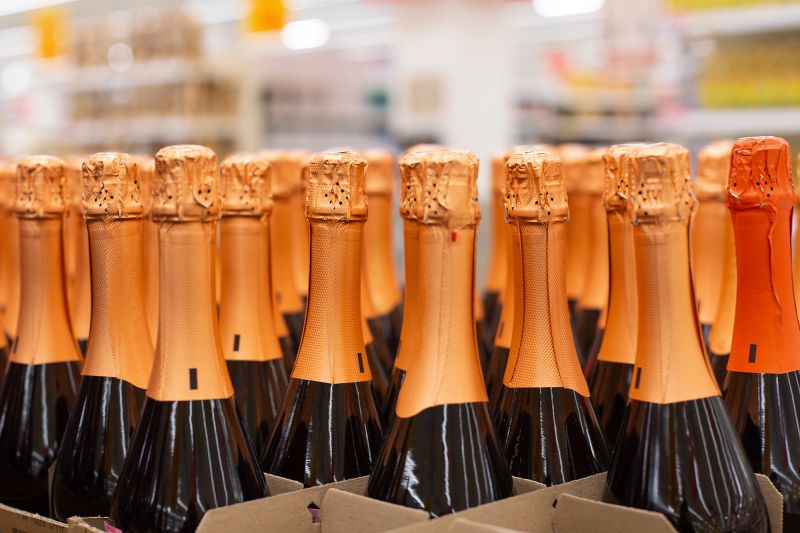
Wine sales in Italy’s large grocery retail channel kept falling through the summer, but the market is not moving in a single direction. Sparkling wines gained ground while still wines lost volume, and new bottling data point to a pickup in activity ahead of the key year-end selling season.
The figures were reported by the Italian foundation Qualivita, which cited reporting by Il Piccolo based on market analysis from Nomisma’s Wine Monitor unit. According to that analysis, volumes of still wines sold in Italy’s organized food retail sector fell 3.2% from January through August 2026, while sparkling wines rose 2.7% over the same period. That left a 5.9-point gap between the two categories.
Within still wines, reds posted the steepest decline, down 4.4%. Whites fell 1.9%, and rosés were down 2.2%. The drop in red wines was 2.5 points larger than the decline in whites, underscoring a sharper loss of momentum in a segment that has long carried much of the country’s wine identity and export reputation.
Denis Pantini, head of agrifood and Wine Monitor at Nomisma, described a market in which sparkling wines, and especially Prosecco, are holding up better than the rest of the sector. He also pointed to relative resilience in white wines compared with reds. In the source report, Pantini said major red-producing regions including Piedmont, Tuscany, Veneto, and Sicily are all showing declines.
The retail figures cover the Italian mass-market grocery channel, not the entire wine market. They offer a view of what consumers are buying in supermarkets and similar outlets, which remain one of the country’s most important sales channels. They also show that the weakness in wine demand is not uniform. The gains for sparkling wines stand in contrast to the losses for still wines, suggesting that consumers are still willing to spend in selected categories even as overall volumes soften.
Nomisma’s reading of the market also found that the decline is less severe when measured by value rather than by volume. Pantini said the drop in value for still and sparkling wines was contained at 2%. That indicates consumers are buying fewer bottles or fewer liters overall, but the average mix is holding up better in price terms. In the source report, Pantini said the market is showing clear price polarization, with entry-level products remaining resilient while higher-priced tiers are also growing.
That pattern suggests some consumers are drinking less often but choosing better bottles when they do buy. It also fits a broader trend seen in several food and beverage markets, where inflation, pressure on household budgets, and changing consumption habits are reshaping how people spend rather than simply reducing spending across the board.
The latest domestic sales data arrive as producers and distributors move into the most important stretch of the year. Wineries in Veneto and Friuli Venezia Giulia, two of the country’s major wine regions, are already receiving orders from Italian and international clients for the holiday season, according to the report cited by Qualivita. For many producers, sales tied to Christmas and New Year can have an outsize effect on annual revenue and profits.
There was also a more positive signal on the production side. Pantini said bottling volumes recovered in September, citing data from Valoritalia. He said producers are regaining ground after significant weakness in the first two quarters of the year. In the report, he said the rebound in bottling could indicate that wineries have more orders to fill in the final months of 2026.
That matters because bottling activity can offer an early sign of expected shipments and near-term commercial demand. If producers are stepping up bottling after a slow first half, it may reflect stronger orders from retailers and importers preparing for the holiday period. It does not by itself reverse the weaker sales trend seen earlier in the year, but it suggests that the supply side of the market is becoming more active.
The export picture remains difficult. Nomisma’s analysis found that Italian wine exports fell in nine of the world’s top 12 markets from January through July. The source material did not provide country-by-country figures in the excerpt published by Qualivita, but the finding points to pressure beyond the domestic market. That is important for Italy, one of the world’s largest wine exporters, where many producers depend on international demand as much as on sales at home.
The contrast between resilient sparkling wines and weaker still wines may be especially important for producers heading into the last quarter of the year. Sparkling wines usually benefit from seasonal consumption around celebrations, and the source report said traditional-method sparkling wines, including Trento DOP and Franciacorta DOP, are regaining ground, while Prosecco continues to set the pace.
Still wines, especially reds, face a tougher backdrop. The data suggest that producers focused on those categories are entering the holiday season with less support from supermarket sales trends. White wines have held up better than reds, but they are still in decline. Rosés also remained in negative territory over the January-to-August period.
Taken together, the latest readings from Nomisma show an Italian wine market under pressure but not in broad retreat across every segment. Supermarket volumes are lower overall, exports have weakened in many key markets, and reds are falling faster than other still wines. At the same time, sparkling wines are growing, value is proving firmer than volume, and September bottling has turned up after a weak first half, giving producers a better signal as they head into the year’s busiest selling period.