Rioja drops minimum stock rules for wineries making aged wines
The change takes immediate effect, lowering entry barriers for smaller Rioja producers seeking Crianza, Reserva and Gran Reserva labels
Wednesday, October 21, 2026
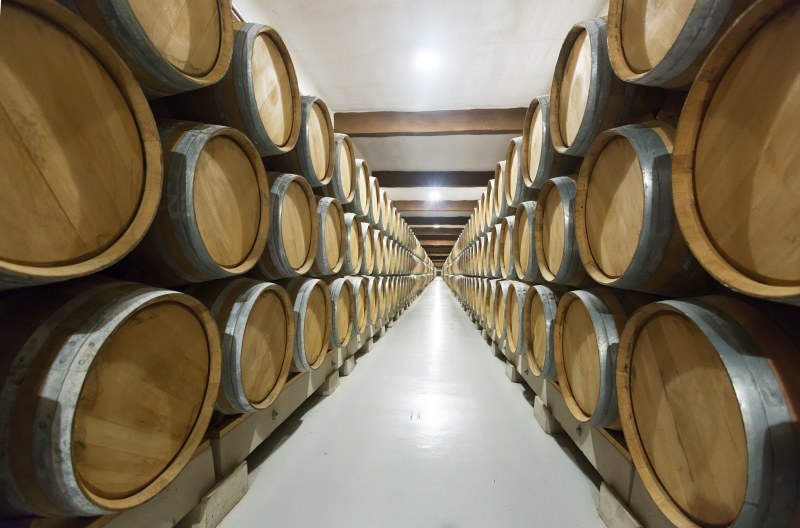
Rioja has removed the minimum stock and barrel requirements that wineries previously had to meet to qualify as aging cellars allowed to produce Crianza, Reserva and Gran Reserva wines, a regulatory change that took effect Tuesday with its publication in Spain’s Official State Gazette.
The measure gives legal effect to a modification promoted by the Qualified Designation of Origin Rioja, or DOCa Rioja, and backed by Spain’s Ministry of Agriculture, Fisheries and Food. Under the old rules, wineries needed to hold at least 225 hectoliters of wine in the aging process, with at least half of that volume stored in a minimum of 50 barrels, to be recognized as a “bodega criadora,” the category that enables production of wines sold under Rioja’s traditional aging labels.
According to the information released by Rioja, the change was approved unanimously at a plenary session of the denomination’s Regulatory Council on July 24 as part of the “Somos Rioja” agenda. The council said the goal is to give the Rioja wine sector tools that improve competitiveness and help producers adapt to current operating needs.
The change is part of the agenda’s “Service to Registered Operators” line and is intended to make business activity easier for winegrowers and wineries, especially smaller projects, new operators and younger winemakers. Rioja said the reform is meant to support entrepreneurship and generational renewal while leaving unchanged the quality requirements that consumers associate with the denomination.
That point is likely to matter beyond Rioja’s internal rules. By removing fixed minimum inventory and barrel thresholds, the denomination may reduce the amount of capital that producers must tie up before entering the market for higher-value aged wines. In a major export wine region, that could lower barriers for small wineries and new brands seeking to participate in the Crianza, Reserva and Gran Reserva segments, even though the standards governing the wines themselves remain in place.
The legal basis for the measure is a resolution dated Oct. 7, 2026, issued by the Directorate General for Food and published in the BOE on Tuesday, triggering its immediate entry into force. Rioja said the Regulatory Council will soon send wineries the guidance needed to apply the change and ensure that operators have the information required to comply with the updated framework.
The reform does not alter the use of Rioja’s aging classifications or the control structure of the denomination. Instead, it changes the conditions that wineries must meet to be recognized as cellars capable of producing those categories, removing minimum physical thresholds that had long been part of the rulebook.
For producers in Rioja, the practical effect is that access to the denomination’s aging categories will no longer depend on maintaining a predefined scale of stock and barrel holdings. That is expected to be particularly relevant for smaller wineries that may have the technical capacity to make age-worthy wines but not the balance sheet to carry large mandatory inventories. In a wine market facing pressure on costs, investment and succession, the move signals a regulatory shift toward flexibility without formally changing the denomination’s quality demands.