South Korea Will End Its Draft Beer Tax Break, Raising Keg Taxes 25%
The change takes effect in 2027, adding about 5,000 won to the tax burden on a 20-liter keg in a shrinking market.
Monday, August 24, 2026
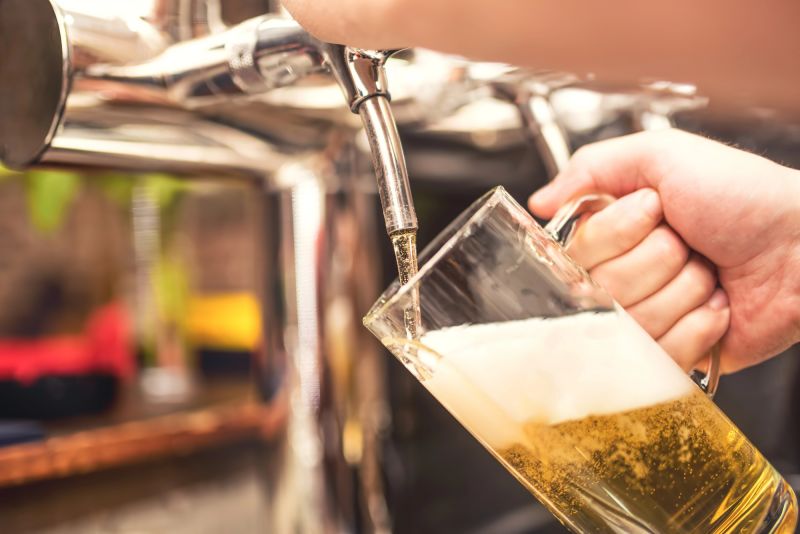
South Korea is set to end a temporary tax break for draft beer at the end of this year, raising the liquor tax applied to kegs used in bars and restaurants by 25% from the discounted rate now in place and adding new cost pressure to brewers in a market where demand has been falling.
Under the government’s 2026 tax revision plan, the tax on draft beer sold in containers of at least 8 liters and dispensed through a separate extraction system will increase to 885,700 won per kiloliter from Jan. 1, 2027. The current reduced rate is 708,560 won per kiloliter. That means an increase of 177,140 won per kiloliter, or 25% over the temporary rate now applied.
The lower rate was introduced as a temporary measure and is scheduled to expire on Dec. 31. Once it ends, draft beer will again be taxed at the same rate as regular beer.
The increase matters most for bars, restaurants and beer halls that rely on 20-liter kegs. Based on the government’s figures, the added burden, including the education tax and value-added tax, would be about 5,000 won per 20-liter keg. That works out to roughly 130 won for a 500-milliliter glass.
That does not mean consumer prices will automatically rise by that amount. Whether drinkers see higher menu prices will depend on how much of the tax increase is absorbed by brewers, distributors and food service businesses, and how much is passed on at the point of sale.
The timing is difficult for the industry. Data from the National Tax Service’s TASIS tax statistics portal show South Korea’s domestic beer shipments fell to 1.519 million kiloliters in 2025 from 1.698 million kiloliters in 2022. That was a decline of 179,000 kiloliters, or 10.5%, over three years.
The broader alcohol market has also weakened. Total domestic alcohol shipments in 2025 were 2.988 million kiloliters, according to the tax data cited by local media, the first time the figure fell below 3 million kiloliters in 27 years. Shipments of soju also declined over the same period.
Household spending data point in the same direction. In the first quarter of this year, average monthly real household spending on alcohol fell 9% from a year earlier, according to figures cited in the local report. It was the sharpest drop since a statistical revision in 2019 and marked a 10th straight quarter of decline.
Industry participants say several forces are behind the slowdown. Health concerns have reduced overall drinking, company dinner culture has changed, and drinking at home has remained common after the pandemic. Those trends have made it harder for brewers to raise prices even when costs rise.
The issue is especially sensitive for major beer makers with a large draft beer business. OB Beer, the market leader and maker of Cass, kept prices unchanged this year after raising ex-factory prices for major products such as Cass and Hanmac by an average of 2.9% in April 2025. HiteJinro raised prices for beers including Terra and Kelly by an average of 2.7% a month later. With consumption soft, another price increase could be harder to push through.
Local media reports say Lotte Chilsung Beverage has already stepped back from the draft beer segment after halting production of 20-liter kegs for its Krush and Kloud brands last year.
For OB Beer, the largest player in the market, the tax change carries added weight because its pricing decisions can ripple across the industry. According to market data cited in the report, Cass Fresh and Cass Light held shares of 49.7% and 5.5%, respectively, in South Korea’s take-home beer market in the first quarter. Together, the two products accounted for more than 55% of that market.
OB Beer’s own financial results show how significant alcohol taxes already are in the business. Its 2025 consolidated revenue rose 2% from a year earlier to 1.7785 trillion won, but operating profit fell 5.4% to 346.5 billion won. According to its audit report, liquor tax deducted from product sales totaled 1.1405 trillion won last year. That was about 41% of product sales and equal to about 64% of net sales.
The end of the draft beer tax break could also affect brand strategy. OB Beer has been trying to strengthen Hanmac as a second major label alongside Cass, including through draft beer distribution. The company has expanded Hanmac draft beer to about 10,000 outlets nationwide, according to the report, making the economics of keg sales more important for its growth plans.
South Korea taxes beer by volume rather than by value, which means any change in the statutory rate directly affects the cost per kiloliter regardless of the brand’s shelf price. In this case, the change does not come from a new tax measure aimed specifically at beer. It comes from the scheduled end of a temporary relief policy that had lowered the rate for draft beer by 20%.
An industry official quoted in the report said the added tax burden for manufacturers is unavoidable once the relief ends, but weak consumption makes it difficult to reflect the increase immediately in prices. The official said companies with a larger share of draft beer sales, or those using draft beer to build brand presence, are likely to face tougher decisions on pricing and sales strategy next year.