Champagne Faces Labor Reform
Industry Faces Growing Scrutiny Over Seasonal Workers' Conditions
Tuesday, September 24, 2024
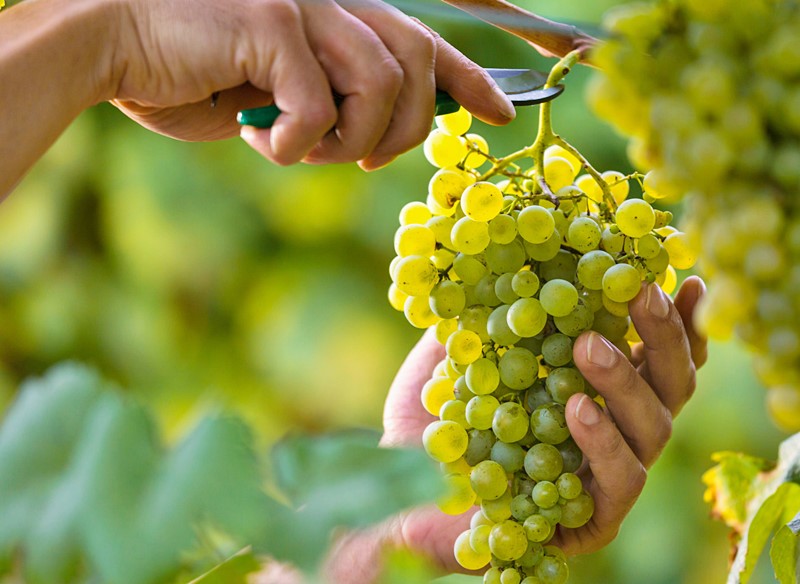
The 2024 harvest season in the Champagne region has brought to light a crucial and sensitive issue that has increasingly drawn attention: the treatment of the thousands of seasonal workers responsible for hand-picking the region's prized grapes. This year, as the industry faced the challenge of recruiting and accommodating around 120,000 temporary workers to harvest the 34,000 hectares of vineyards, Champagne's stakeholders have been pushed to address lingering concerns regarding labor conditions. The drive to improve working standards follows a controversial 2023 harvest marred by inadequate accommodations and the deaths of four workers during an intense heatwave. As a result, the industry is making serious efforts to overhaul labor practices, focusing on the welfare of the very workforce that underpins the annual harvest.
Seasonal workers, many from Eastern Europe, form the backbone of the Champagne harvest. In Igny-Comblizy, a small village in the Marne region, the French union CGT (Confédération Générale du Travail) has actively distributed multilingual informational leaflets aimed at educating workers about their rights. These leaflets, provided in eight languages, inform workers of key protections, such as minimum wage entitlements, mandated work breaks, and the maximum number of permissible work hours. This campaign directly responds to the dire conditions revealed during the 2023 harvest, when several collective accommodations were deemed unsafe and subsequently shut down by authorities.
David Chatillon, co-president of the Comité Champagne, acknowledged that the closures of unsafe accommodations and the fatal incidents that occurred during the previous harvest dealt a significant blow to the image of the industry. In response, a renewed effort to address these issues has become a focal point for many stakeholders involved in the Champagne sector, including regulatory bodies and vineyard owners.
The aftermath of the 2023 harvest saw not only heightened scrutiny but also legal consequences. Two cases of human trafficking were opened in the court of Châlons-en-Champagne, with the first set to go to trial in March 2025. The other investigation remains ongoing. These legal cases have added urgency to the broader reforms within the industry, which has been forced to confront the uncomfortable realities of labor exploitation.
One of the most pressing concerns for labor advocates and industry insiders alike is the state of worker housing. José Blanco, the secretary-general of the CGT's Champagne division, has remarked that although there have been improvements, unacceptable conditions persist, with some workers still forced to live in "makeshift camps" in the woods. Blanco attributes part of the problem to a shift among newer generations of vineyard owners, who have outsourced the management of the harvest, relinquishing direct responsibility for worker welfare. Instead of taking personal care of accommodations, some have delegated the task to external contractors, often with mixed results.
Maxime Toubart, president of the winegrowers' union, recognizes the challenges that many vineyard owners face in providing adequate housing. He cites strict governmental regulations, such as the mandate requiring at least 4.5 square meters of living space per worker, as a significant burden for smaller producers. Nonetheless, meeting these standards is now central to the industry's action plan, which prioritizes compliance with safety, recruitment, and accommodation requirements following the failings of 2023.
Amid these systemic challenges, some of the major Champagne houses have taken concrete steps to improve conditions for workers. Veuve Clicquot has increased oversight of the third-party contractors they employ to manage the harvest, while Moët & Chandon has adopted a more direct approach, opting to house many of their seasonal workers on-site. At Moët & Chandon's facilities, over 1,900 workers are provided with accommodations that include dormitories, sanitation facilities, laundry services, and even physiotherapy sessions to ease the physical toll of grape-picking. The goal is not just to ensure adequate living conditions but also to make the work attractive enough to entice laborers to return for future harvests. The house offers competitive wages, ranging from €1,200 to €2,000 for roughly 10 days of work, underscoring their commitment to enhancing the workers' experience.
This model could represent a blueprint for others in the region to follow, as Champagne producers seek to retain a reliable and motivated workforce in a labor market that grows more competitive each year. The aim is clear: to ensure that the allure of working in Champagne remains strong for workers, both in terms of financial incentives and living conditions.
However, labor practices in Champagne remain a contentious issue. The increasing reliance on foreign workers has drawn criticism from the CGT, which argues that this has led to wage suppression across the board. José Blanco contends that the influx of foreign labor has, in some cases, driven down pay for all workers, exacerbating tensions within the region. However, Maxime Toubart refutes these claims, insisting that there is no wage disparity between local and foreign workers. He maintains that the real challenge lies in finding enough hands to bring in the harvest, which forces many producers to look abroad for additional labor.
Toubart also emphasizes the stakes involved for the entire Champagne appellation. Any negligence in labor conditions could tarnish the global reputation of Champagne, a name synonymous with luxury and celebration. Ensuring that workers are treated fairly and humanely is not just a legal and ethical obligation but a matter of protecting the region's esteemed image on the world stage.
To ensure compliance with labor laws and prevent any recurrence of the tragedies seen in 2023, local authorities have stepped up their oversight during the 2024 harvest. In the Marne region, the prefecture deployed a team of 22 labor inspectors and 84 gendarmes tasked with monitoring conditions in the vineyards. Their role is critical in enforcing regulations and ensuring that the industry is living up to its promises of reform.
As the 2024 harvest progresses, there is a growing sense that the Champagne industry is at a crossroads. While significant strides have been made to address the labor issues that came to the forefront last year, challenges remain. The effort to improve conditions for seasonal workers, from adequate housing to fair pay and safer working environments, is ongoing. For an industry so deeply tied to its reputation, there is no room for complacency. With global scrutiny only likely to intensify, the future of Champagne depends not just on the quality of its grapes, but on the well-being of the people who harvest them.