U.S. Raises Tariff on Chilean Food and Wine Exports to 12.5%
Copper and lithium remain exempt, but grapes, salmon and bottled wine now face higher costs in the U.S. market
Friday, July 24, 2026
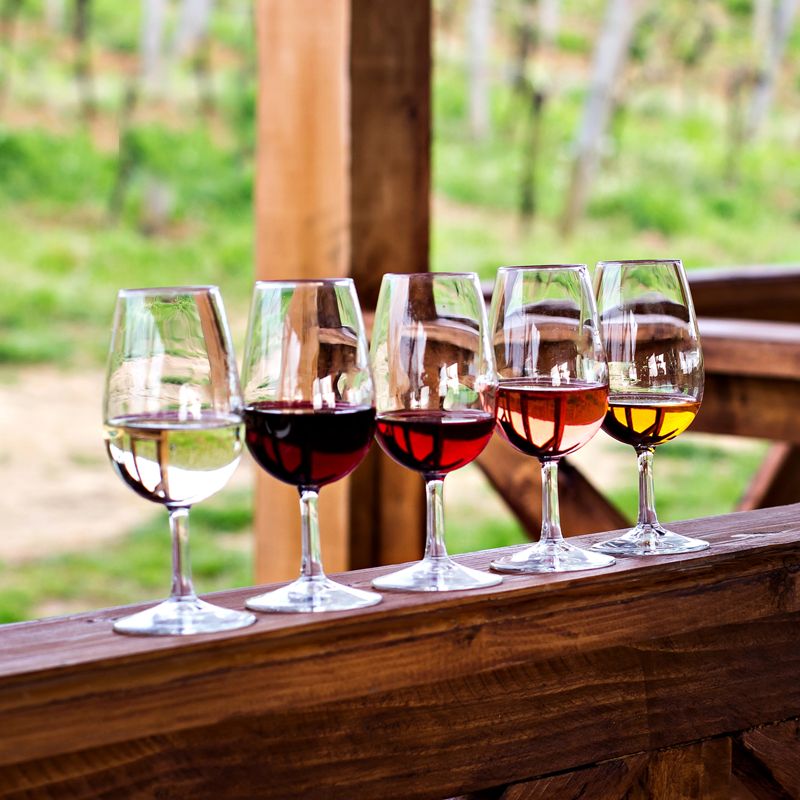
The United States has raised a tariff applied to a range of Chilean goods to 12.5% from 10%, a move that leaves major mineral exports such as copper and lithium exempt while adding pressure on agricultural and food shipments including fresh grapes, salmon and bottled wine.
The measure, reported Thursday by Chilean media citing the detailed list of products affected, changes the cost structure for exporters that depend on the U.S. market. For Chile’s beverage sector, the inclusion of bottled wine is especially significant because it can raise entry costs in one of the industry’s key destinations and may force importers, distributors and wineries to revisit pricing, margins and shipment plans in the near term.
According to the published breakdown, the new U.S. tariff tied to forced labor concerns now applies at a rate of 12.5% for Chile. At the same time, a broad group of products remains outside the measure. Those exemptions account for more than 50% of the total value imported from Chile, according to the report.
Among the goods left out are copper and lithium, two pillars of Chile’s export economy. Their exclusion limits the immediate effect on the country’s largest trade flows with the United States. But for sectors that do fall under the tariff, the impact could be more direct because many of those products compete on price and move through supply chains with tight margins.
Fresh grapes are among the affected items, a notable development for Chile’s fruit industry because the United States is an important destination for seasonal shipments. Salmon is also included, extending the effect to another major export category with strong U.S. exposure. Bottled wine appears on the list as well, bringing the tariff issue directly into the beverage trade.
That matters because Chilean wine has built a stable position in American retail and restaurant channels over many years, often competing in price-sensitive segments. A 12.5% tariff does not automatically translate into an equal increase on shelf prices, since importers and producers can absorb part of the added cost, renegotiate contracts or adjust product mix. Still, it creates new pressure across the chain at a time when buyers are already managing freight costs, currency swings and softer consumer demand in some categories.
For wineries shipping bottled wine to the United States, the timing is important. Export programs are often planned months ahead, with pricing agreed before goods leave port. Any sudden tariff increase can disrupt those calculations and complicate decisions on whether to maintain volumes, delay shipments or shift focus to other markets. Importers may also reconsider which labels they bring in and at what price points they can still compete.
The effect could be felt most clearly in entry-level and midpriced wines, where margins tend to be narrower and consumers are more sensitive to price changes. Premium wines may have more room to absorb higher costs, but even there distributors usually watch landed prices closely. If buyers decide to pass through part of the tariff, Chilean wines could face tougher competition from domestic bottles or imports from countries not subject to the same measure.
The broader trade picture is more mixed. Because copper and lithium remain exempt, Chile avoids a much larger shock to its export revenues than it would face if those sectors were included. Those two industries carry outsized weight in bilateral trade with the United States and in Chile’s overall external accounts. Their exclusion suggests that while Washington has widened pressure on selected goods, it has not moved against all major Chilean exports.
Even so, agriculture, seafood and wine producers now face a more difficult commercial environment. Exporters in those sectors may need to recalculate offers already made to U.S. buyers and assess whether they can preserve market share without sacrificing profitability. Some companies could try to redirect part of their production elsewhere, though that is often harder in practice because distribution networks, harvest cycles and customer relationships are built market by market.
The tariff change also comes at a delicate moment for fresh produce exporters. Grapes are highly perishable and depend on efficient logistics and predictable costs. Any additional duty can alter returns quickly once fruit reaches U.S. wholesalers and retailers. Salmon exporters face similar concerns because they operate in a competitive protein market where pricing shifts can influence purchasing decisions fast.
For bottled wine, there is an added strategic issue: brand positioning. Chile has long marketed itself in the United States as a reliable source of value across varietals such as Cabernet Sauvignon, Sauvignon Blanc and Carmenere. If tariffs lift final costs too much, some brands may lose part of that value advantage just as consumers continue trading carefully across beverage categories.
The details published Thursday did not indicate any immediate change for exempted mineral exports, but they sharpened attention on which industries will bear the new burden. In practical terms, that means Chilean exporters now face a split landscape: strategic relief for metals on one side, and higher barriers for several food and beverage products on the other.
How much of the added cost ultimately reaches American consumers will depend on negotiations between producers, importers and retailers in coming weeks. But with bottled wine now included in the affected list and fresh grapes also facing the higher duty, Chilean suppliers entering the U.S. market must adjust quickly to a tariff regime that has become more expensive overnight.