French Court Convicts Château Belmar Founder on Breach of Trust and Tax Fraud Charges
The ruling in Le Mans leaves roughly 200 investors unlikely to recover their money after the vineyard companies entered liquidation.
2026-09-09
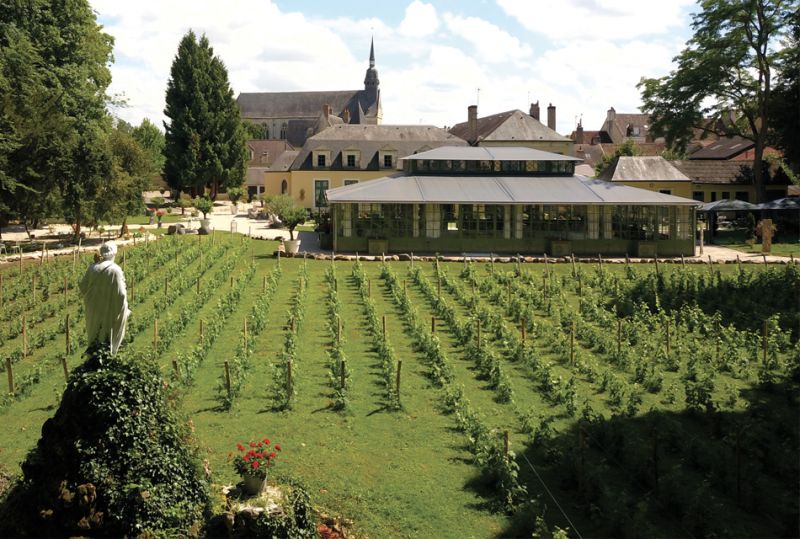
A court in Le Mans has convicted the founder of a vineyard investment venture in western France of misusing investor funds and committing tax fraud, but the ruling means roughly 200 private investors are unlikely to recover the money they put into the project.
The case centers on Château Belmar, a wine estate launched in 2017 in northern Sarthe, north of the city of Le Mans. According to the court, Grégory Russel, 67, and his partner, Sidonie Grasset, 57, persuaded individuals to buy into vineyard land investment structures tied to the estate. Investors were told that each stake would bring them six bottles of wine a year.
Prosecutors said a large share of the money raised was not used as investors expected. The investigation found that the couple withdrew about €2.5 million from one vineyard land group and nearly €560,000 from a second one. Court findings also said the pair used false invoices totaling more than €630,000 to justify transfers to companies that benefited them alone, and carried out tax fraud involving about €1.4 million.
French media reports on the investigation said the spending included luxury personal purchases, among them a Ferrari and a Chanel jacket. The court concluded that the couple had diverted money entrusted to the investment vehicles while using financial arrangements that concealed where the funds were going.
The criminal court convicted Russel and Grasset, who were not present when the judgment was delivered on Monday, on charges of breach of trust and tax fraud. Russel was sentenced to one year in prison to be served under electronic monitoring, along with a three-year suspended sentence with probation. Grasset received a two-year suspended sentence with probation.
For many of the investors, the most important part of the decision was not the criminal penalties but the question of repayment. The court ordered the couple to reimburse the companies involved in the case rather than the investors themselves. Those companies are now in liquidation, which means the people who invested their savings in the venture are not expected to get their money back directly through the ruling.
Caroline Roth, a lawyer representing 65 civil parties in the case, criticized that result after the decision. She said the court had effectively treated her clients as investors who assumed the risk, even though they were, in her view, the real victims of the scheme. The court did order Russel and Grasset to pay €300 to each civil party for moral damages, but that amount is far below the sums many of them lost.
One investor, Dominique Cleuet, said he had put €45,000 into the project and was stunned to learn that the investment would not be returned. He said he had worked his entire life to build a small amount of savings and now felt dispossessed. His reaction reflected wider frustration among investors who had hoped the criminal case would produce a direct path to compensation.
The court did not convict the couple on every count. Russel and Grasset were acquitted of fraud charges linked to the €1.7 million sale of the château and its vineyards. The court found that the legal elements needed to prove that offense had not been established.
A retired notary who had recorded the sale of the château was also acquitted of complicity in fraud. However, the court convicted him of illegally taking an interest in the matter after finding that he had bought shares in one of the vineyard land groups involved. He received a one-year suspended prison sentence.
Russel’s lawyer, Flavien Guillot, said after the ruling that an appeal was being considered because the defense strongly disputes the finding that his client personally enriched himself through the venture.
