UKHospitality presses Andy Burnham to cut hospitality VAT to 10% on his first day in office
The trade body says lower taxes for restaurants, pubs and hotels would spur hiring, investment and consumer spending across Britain.
Wednesday, July 22, 2026
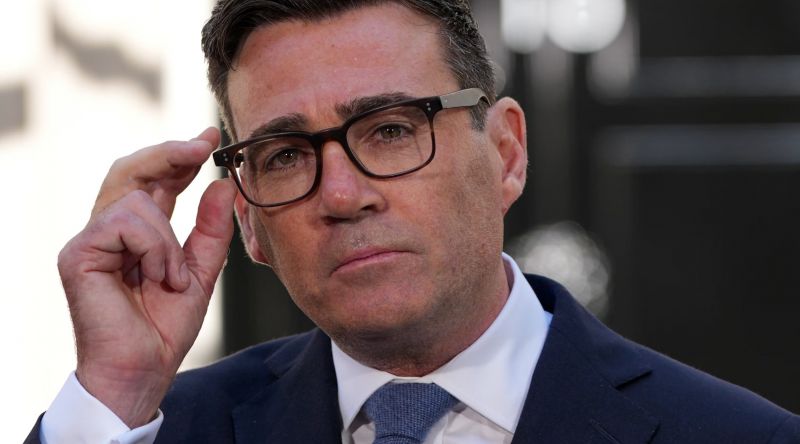
UKHospitality urged Britain’s new prime minister, Andy Burnham, to make an immediate tax cut for the hospitality sector a priority, arguing that lower costs for restaurants, pubs and hotels would help drive hiring, investment and consumer spending across the country.
In a statement released Tuesday, the trade body congratulated Burnham on taking office and said the sector could help deliver on his stated goals of economic growth and wider access to work, especially for younger people. Allen Simpson, chief executive of UKHospitality, said hospitality was “uniquely placed” to support those ambitions because of its large workforce, its role in first jobs and its presence in communities across the United Kingdom.
The group’s central demand was a permanent reduction in hospitality VAT to 10%. It also called for lower business rates and reduced employment taxes. UKHospitality said those changes would ease what it described as a heavy tax burden on the sector and would make eating and drinking out more affordable for consumers.
The intervention came on Burnham’s first day as prime minister and set out an early test of how his government may respond to pressure from service industries facing high operating costs. Hospitality businesses in Britain have spent years warning that rising taxes, labor costs and property-related charges are limiting expansion and weakening margins even when customer demand holds up.
Simpson said the sector had “huge opportunity” but that this potential was being constrained by taxation. He argued that a 10% VAT rate for hospitality would unlock investment and job creation while helping businesses keep prices lower. He said that, combined with cuts to business rates and payroll-related taxes, the measure could support the kind of growth Burnham has promised.
The trade body framed hospitality not only as a contributor to national output but as a practical partner for government policy. In its statement, it pointed to the sector’s scale in employment and its role in helping people enter or return to work. That argument is likely aimed at strengthening the industry’s case at a time when policymakers are under pressure to show quick economic results without sharply increasing public spending.
For beverage producers and distributors, any change in VAT or local tax burdens on pubs, bars and restaurants could carry wider effects through the on-trade market. Lower tax costs may give operators more room to protect margins, hold menu prices down or invest in wine, beer and spirits programs. If that happens, it could support demand in venues that are important sales channels for drinks companies. The effect would depend on how much of any tax relief businesses pass on to customers and how broader consumer spending trends develop.
UKHospitality’s statement did not include details on whether the new government had signaled support for a sector-specific VAT cut or how quickly any tax review might take place. It also did not address the fiscal cost of reducing VAT to 10%, an issue likely to draw scrutiny from Treasury officials if the proposal advances.
The organization has repeatedly argued that hospitality deserves targeted relief because of its labor intensity and its role in local economies. Its latest appeal suggests the industry will push hard in the opening phase of Burnham’s administration to secure commitments before the government sets out its broader tax and spending plans.
The statement also linked tax reform to affordability for consumers, a politically sensitive issue after years of pressure on household budgets. Restaurants, pubs and cafes have faced difficulty balancing higher wage bills and other expenses against resistance from customers to further price increases. A lower VAT rate, if enacted, could ease some of that tension, though there is no guarantee all savings would be reflected directly in final prices.
Alongside its call for VAT relief, UKHospitality renewed pressure for lower business rates, which many operators say fall heavily on physical venues with high street locations. It also asked for reduced employment taxes, another major cost area for businesses that rely on large staffs and extended opening hours.
The trade body said it stood ready to work with Burnham’s government so that hospitality would be recognized as a “vital partner” in creating growth and opportunity across the UK. That language underscored an effort by the industry to position itself not simply as a sector seeking relief but as one offering a route to faster job creation if ministers are willing to reduce its tax burden.
The statement was published as UKHospitality continued campaigning on several policy fronts beyond VAT. The group has recently pressed the government for clarity on tipping rules after saying the withdrawal of an updated code of practice left businesses uncertain ahead of implementation. It has also backed broader efforts to cut business rates for hospitality operators in different parts of the UK.
Whether Burnham embraces those demands will help shape expectations across Britain’s food-and-drink economy. For now, UKHospitality has moved quickly to define what it wants from the new prime minister: a permanent 10% VAT rate for hospitality, lower property taxes and lighter employment levies as tools to stimulate growth in one of the country’s largest service sectors.