Champagne Producers Prepare to Use Reserve Wines After Frost and Heat Halve Harvest
Officials say the reduced crop may still yield one of the region’s strongest vintages in years.
2026-09-09
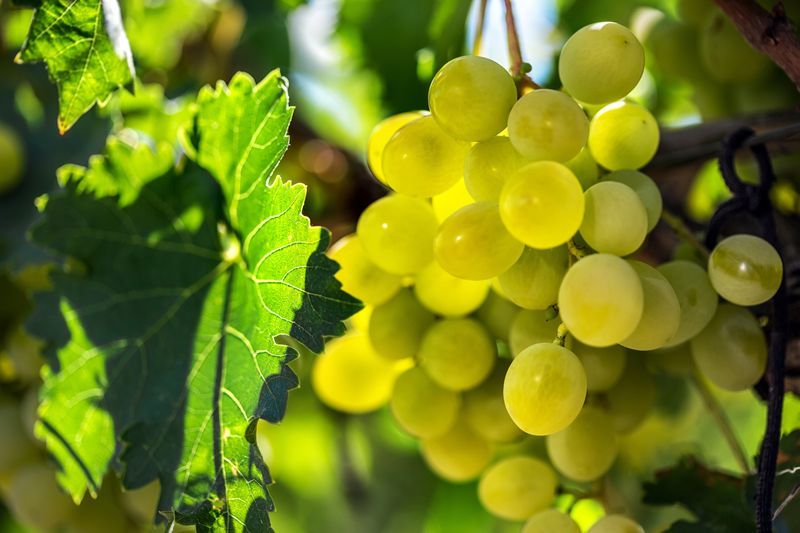
Champagne producers in France are preparing to rely on reserve wines after spring frosts and summer heatwaves sharply reduced this year’s grape harvest in the region, even as growers and trade officials say the vintage could still produce some of the best wine in years.
The weather swings across France, the world’s second-largest wine producer, accelerated ripening and pushed harvesting to some of the earliest dates on record in several wine regions, including Champagne. In Champagne, the pace was so fast that some growers cut short their summer vacations and seasonal pickers were called back earlier than planned, according to Maxime Toubart, co-president of Comité Champagne, also known as the CIVC, the industry body that oversees the sector.
“We were not quite ready,” Toubart told reporters, describing a season that moved faster than many producers had expected.
The pressure on the crop follows a difficult sequence of weather events. Spring frosts damaged vines earlier in the season, and summer heatwaves then reduced yields further. France’s agriculture ministry said this week that wine production in the Champagne region is expected to fall by about half from the previous year, a steep drop for one of the country’s most valuable wine areas.
That ministry estimate does not translate directly into a comparable drop in Champagne available for sale, because producers in the region have an important buffer that many other wine regions do not. Most Champagne is made by blending wines from multiple harvests, and houses keep reserve wines from stronger years to maintain style and volume when a harvest comes in weak. This year, those reserves are expected to play a central role.
Producers, however, do not all face the same choices. Toubart said some may decide to use reserve stocks to make up for the shortfall, while others may prefer to protect part of those inventories for future blends. In practice, that could mean bottling less wine this year in order to preserve flexibility for later years.
The situation matters beyond this year’s harvest because reserve management is a key tool in a premium wine category built on consistency. When volumes fall, Champagne houses may have to adjust blending and cellar decisions more carefully, and the challenge can grow if the new wines entering those blends carry higher alcohol from extreme heat. For the broader beverage industry, that makes the season a clear example of how climate pressure can affect both supply and production planning in high-value segments.
Despite the lower volumes, industry officials said the quality outlook is strong. Growers described the wine as “exceptional,” citing ripe grapes and the absence of mildew, a disease that can damage vines and weaken fruit quality. Sebastien Debuisson, technical director of the CIVC, said the strong quality made the disappointing yields easier for producers to accept.
Even so, the high temperatures that helped ripen the grapes have created another technical issue. According to Debuisson, the wines are expected to show elevated alcohol levels, which can complicate winemaking. In Champagne, where balance, freshness and precision are central to the finished style, hotter growing conditions can force changes in how wines are handled in the cellar.
The reduced harvest comes at a time when Champagne producers are already navigating a tougher commercial environment. The industry has lowered production targets in recent years as global alcohol consumption has declined and economic uncertainty has weighed on demand. Producers have also been watching the possible effects of U.S. tariff policy, which could add another layer of pressure for exporters in a market that remains important for French wine.
That mix of weaker harvests and softer demand creates a more complex calculation for houses across the region. A smaller crop would normally tighten supply, but many producers are also trying to avoid building volumes in a market where consumers are buying less alcohol overall. The reserve system gives them room to manage short-term shocks, though it does not remove the longer-term question of how often those reserves may be needed if volatile weather becomes more common.
Champagne’s structure gives it more resilience than many still-wine regions because blending across vintages is already part of standard production. That flexibility allows houses to smooth out variation from one harvest to the next and protect a recognizable house style for consumers. But when weather extremes hit repeatedly, even that model can come under strain, especially if producers want to avoid depleting stocks that may be needed again.
In the vineyards this year, the challenge was less about disease than about speed and concentration. Grapes ripened quickly, harvest dates moved forward, and producers had to adapt their labor and logistics on short notice. The result is a season that appears to be defined by contradiction: much less fruit, but potentially very strong wine.
For Champagne houses, growers and cooperatives, the next steps will depend on how much of the reserve base each decides to release and how the new wines perform during vinification. The region has dealt with uneven vintages before, but this year’s combination of frost, heat, early picking and high alcohol levels is likely to shape blending decisions well beyond the current harvest.
