Tilray will stop brewing beer at Terrapin’s Athens plant.
Production will move to other Tilray facilities under Project 420, with the taproom and warehouse expected to remain open.
Tuesday, August 11, 2026
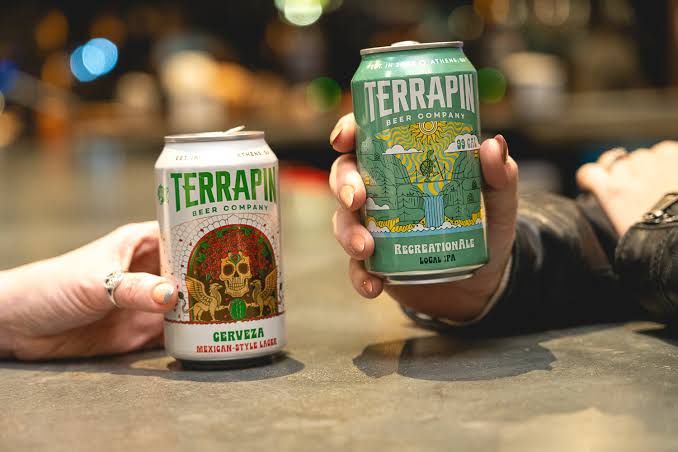
Tilray Brands plans to stop brewing beer at Terrapin Beer Co.’s large production brewery in Athens, Ga., and move that volume to other facilities in its network beginning Sept. 25, according to VinePair, which cited reporting from The Red & Black. The 100,000-square-foot site’s taproom and warehouse are expected to remain open.
The move is part of a broader restructuring effort at Tilray, the Canadian company whose business includes cannabis and alcoholic beverages. In a 10-K filing dated July 28, the company grouped Terrapin with several of its other beer brands, including Hop Valley, Redhook and Revolver, under a cost-cutting plan it calls Project 420. The filing said Tilray recorded $6.8 million in restructuring costs tied to the project in fiscal 2026, which ended May 31, and expects closures, consolidations and other changes to be largely finished by the end of fiscal 2027.
Terrapin has long been one of the better-known craft beer names in the Southeast, and the decision to halt brewing at its Georgia plant adds to a period of strain and consolidation across American craft beer. Many brewers, large and small, have faced slowing growth, higher production costs and pressure on margins in recent years. For the drinks industry, the Terrapin shift is another sign that major owners of craft brands are reassessing where they make beer and how much capacity they need. That kind of consolidation can change cost structures and distribution patterns, and it can also bring uncertainty for brewery workers and local suppliers even when a brand remains on the market.
Tilray has presented beverages as a key area for growth even as it trims costs. On a recent earnings call, Chief Executive Irwin Simon described the drinks business as “one of Tilray’s most important growth engines” and said the company was still in the “early stages of unlocking full potential of this business,” according to the VinePair report. Tilray reported $254 million in beverage net revenue in fiscal 2026, up from $240.6 million a year earlier.
That growth has come alongside an aggressive expansion strategy in beer. In 2023, Tilray bought eight beer brands from Anheuser-Busch InBev. In 2024, it acquired four more brands from Molson Coors, including Terrapin. Earlier this year, according to the report, the company also completed a $44 million BrewDog deal and signed an agreement with Carlsberg Group to produce, market and sell Carlsberg beer in the United States.
Those acquisitions gave Tilray a broader national footprint in beer, but they also left the company with a patchwork of breweries and brand operations that now appears to be under review. Shifting production from Athens to other plants suggests Tilray believes it can run those brands more efficiently by centralizing output rather than maintaining brewing at every acquired site.
The Athens brewery has been a prominent part of Terrapin’s identity. For local customers, the planned change means the brewery campus will not disappear entirely, since the taproom and warehouse are set to remain in operation. But stopping production at the site marks a significant break from Terrapin’s role as both a local brewer and a regional craft brand.
The company has not publicly detailed which Tilray plants will take over Terrapin’s brewing after Sept. 25, based on the information available in the report. It is also not yet clear how much of Terrapin’s current production volume will be moved or whether the shift will affect the beer lineup available in Georgia and other markets. Those details matter for distributors and retailers, since changes in where beer is brewed can affect freight costs, freshness logistics and inventory planning.
The decision comes at a time when the definition of success in craft beer has changed. For years, growth often meant adding tanks, opening larger breweries and expanding into new states. More recently, many beer companies have moved in the opposite direction, focusing on efficiency, fewer production sites and tighter brand portfolios. Tilray’s Terrapin move fits that pattern. The company is keeping the brand and preserving some consumer-facing operations in Athens, while removing large-scale brewing from the property.
Whether the change leads to broader cuts at other Tilray beer facilities remains to be seen, but the company has already signaled that Project 420 is not limited to one brand. By placing Terrapin alongside Hop Valley, Redhook and Revolver in the restructuring plan, Tilray indicated that its beer division is being managed as an interconnected network rather than as a collection of independent breweries.
That approach may help the company reduce overhead and improve plant utilization if brewing can be concentrated in sites with lower costs or more available capacity. At the same time, it underscores the tension now shaping much of the craft beer market: brands that were built on local production and local identity are increasingly being folded into national systems designed around scale and efficiency.
For Athens, the immediate impact will come into focus over the next several weeks as the Sept. 25 date approaches. For the broader beverage business, the move is another indication that ownership of craft beer brands is still changing, and that even companies investing heavily in beer are looking for savings through consolidation rather than through expansion alone.