Researchers link Pinot Noir chemistry differences between vineyards to soil pH, manganese and root-zone bacteria
The analysis found correlated shifts in amino acids and phenolics, offering a new way to study vineyard-specific fruit composition
Tuesday, September 8, 2026
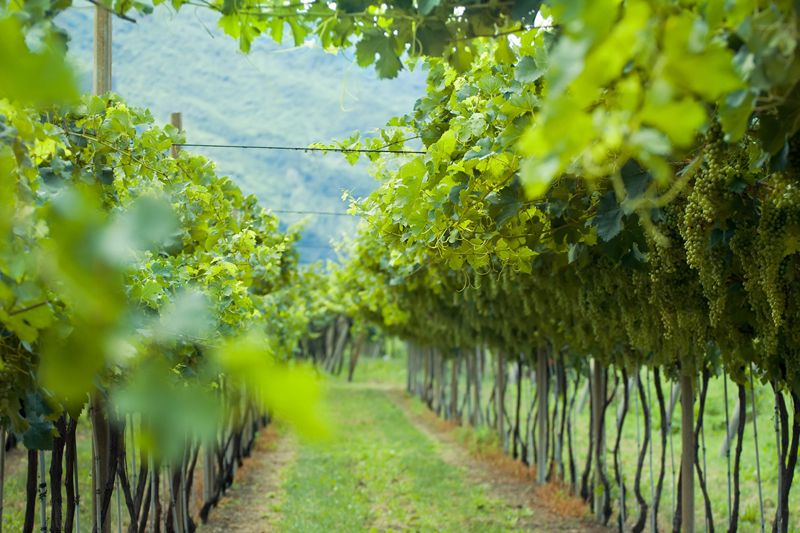
Researchers have linked differences in Pinot Noir grape chemistry between two vineyards to a set of soil conditions and to the bacterial communities around vine roots, according to a study published online in the Journal of the Science of Food and Agriculture and presented by JoVE Visualize.
The work focused on vineyard-specific variation in grape composition and examined whether that variation tracked with measurable features in the soil and in the rhizosphere, the narrow zone of soil influenced by plant roots. The study found that differences between the two vineyards were associated with soil pH, cation exchange capacity, exchangeable manganese and the structure of rhizosphere bacterial communities. Those factors, in turn, were linked with differences in grape amino acids and phenolic compounds.
The findings add to a growing body of research looking beyond climate and broad site characteristics to explain why fruit from one vineyard can differ from fruit grown under another set of conditions. In grapes, amino acids can shape fermentation because they are part of the nutrient supply for yeast. Phenolic compounds are also important because they influence color, bitterness, astringency and other traits tied to wine style and quality.
The study did not present those relationships as proof that one soil factor or one group of bacteria directly caused a specific change in the grapes. Instead, it identified a pattern in which several soil and microbial variables moved together with differences in grape chemistry. That distinction matters because vineyard systems are complex, and soil, plant roots, microbes and fruit development can influence one another at the same time.
Among the soil measurements highlighted in the study was cation exchange capacity, often shortened to CEC. This is a standard measure of how well a soil can hold and exchange nutrient ions. Soil pH was also important in the analysis, which is consistent with its broad effect on nutrient availability and microbial activity. Exchangeable manganese, a form of manganese available in the soil, was another variable connected with vineyard-level differences.
The microbial side of the study centered on bacteria in the rhizosphere rather than on microbes found on the grape surface or in the winery. That focus reflects rising interest in the role of root-zone microbiology in plant nutrition, stress response and crop chemistry. By tying bacterial community structure to differences in amino acids and phenolics, the research points to the possibility that the soil microbiome is part of the chain of factors that helps shape fruit composition before harvest.
For the wine business, that could matter well beyond academic debate. Growers and winemakers have been investing in precision viticulture tools that use site-specific information to guide irrigation, nutrition and canopy decisions. The new results suggest that soil pH, CEC, manganese levels and root-zone bacterial profiles could become useful candidate indicators for that kind of management if the relationships hold up in more vineyards and across more growing seasons. In practical terms, that could help producers target fruit chemistry linked to fermentation performance and sensory outcomes rather than relying only on sugar, acidity and yield.
The study is also relevant to a long-running question in wine production: how to separate the effects of site from the effects of farming choices and yearly weather. Pinot Noir is especially useful in that discussion because the variety is widely seen as sensitive to growing conditions and because small shifts in fruit chemistry can have visible effects in the finished wine. Research that connects grape composition to measurable features below ground may offer a more concrete way to study site expression than broader ideas about vineyard character alone.
The publication arrives as many producers face pressure to manage vineyards more precisely under changing environmental conditions. Soil chemistry can be measured and adjusted. Microbial communities are harder to manage directly, but they are increasingly being studied as part of vineyard health and fruit quality. That makes research that links the two especially relevant for producers deciding where to focus new monitoring efforts.
While the study centered on two Pinot Noir vineyards, its broader significance lies in the kind of variables it brings together in one analysis. Rather than treating soil tests, root-zone microbes and grape chemistry as separate issues, it examined them as connected parts of the same system. That approach may help guide future work on how vineyard practices influence the compounds that matter most for wine production.
In the near term, the research gives growers another reason to look closely at the ground beneath the vines. Measurements such as pH, nutrient-holding capacity and exchangeable manganese are already familiar in vineyard management. Adding microbial data to that picture could eventually give producers a more detailed map of why fruit from one block develops differently from fruit grown just down the road.