Settesoli brings dealcoholized wine production to Sicily
After securing tax approval, the producer began using vacuum evaporation, signaling that Italy’s low-alcohol wine market is moving into the mainstream.
2026-09-04
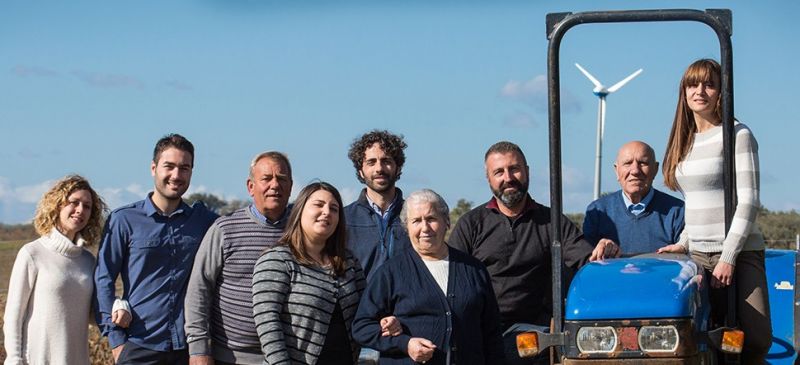
Settesoli, the Sicilian wine producer, has started making dealcoholized wine after obtaining the tax authorization required for the process, a step that brings Sicily into Italy’s emerging low- and no-alcohol wine business.
According to Gambero Rosso, the company has put into operation a plant that uses vacuum evaporation to remove alcohol from wine. The method works under reduced pressure and at lower temperatures than standard evaporation, which producers use in an effort to protect aromas and other wine characteristics while lowering the final alcohol content.
The approval is important in Italy because dealcoholization is not only a technical step but also a regulated one. Producers need the proper fiscal license before using equipment that changes the alcohol level of wine, and that requirement can slow entry into the category. By securing the license and starting the plant, Settesoli has moved from planning into production.
The decision reflects a wider shift in drinking habits. Across Europe and other markets, beverage companies have been expanding low- and no-alcohol offerings as some consumers look for drinks that better fit weekday meals, driving, work events and health-conscious routines. Beer producers moved earlier and faster. Wine has been slower, partly because removing alcohol without damaging flavor is more difficult and partly because the idea raises cultural and legal questions in countries with strong wine traditions.
That is why Settesoli’s move matters beyond one winery. Sicily is one of Italy’s major wine regions, both for domestic sales and exports. A dealcoholization plant on the island suggests that the category is no longer limited to a few experimental operators. It is reaching mainstream producers in important growing areas, including the south.
For the broader drinks sector, that could have practical effects. If a large Sicilian producer is willing to invest in this kind of equipment and complete the regulatory process, other wineries may feel pressure to study similar projects. The change could also affect suppliers of cellar technology, bottling companies, distributors and retailers as they respond to demand for more lower-alcohol options on wine shelves.
The technology itself is a central part of the story. Vacuum evaporation has become one of the main tools for wineries entering this market because it lowers the boiling point of alcohol and may help limit heat damage during removal. Even so, the process remains delicate. Wine depends heavily on aroma, texture and balance, and producers trying to preserve those elements after dealcoholization face a harder task than many other beverage categories.
That challenge helps explain why regulation and investment tend to move together in this business. It is not enough to see demand and launch a label. Wineries need approved equipment, trained staff and a commercial plan for a product that still sits in an uncertain place between tradition and innovation. In markets like Italy, where wine identity is closely tied to origin and style, producers also have to decide how dealcoholized products fit within their broader image.
Settesoli’s decision appears aimed at meeting demand for wines with lower alcohol content. That demand may still be uneven, and the category remains relatively new in a country where full-strength wine has long been the norm. But the launch shows that Italian producers are taking the segment more seriously, especially as restaurants, supermarkets and export buyers ask for products that suit consumers who want moderation rather than abstinence.
The move may also sharpen debate inside the Italian wine world. Some producers see dealcoholized wine as a commercial necessity, especially for younger consumers and international markets where low- and no-alcohol products are growing quickly. Others worry that the category could dilute the image of wine or shift attention away from traditional styles. Sicily’s entry into the field means that debate is no longer abstract. It now involves investment on the ground in one of the country’s largest producing regions.
For Italian wine companies, the timing is significant. The rise of low- and no-alcohol drinks has already changed strategy in beer, spirits and ready-to-drink beverages. Wine has been slower to adapt, but that also means there is still space for early movers to define the market. Domestic production capacity could become more important if retailers prefer Italian-made options over imports or if producers want tighter control over quality and costs.
Gambero Rosso reported that Settesoli is positioning itself around consumer interest in wines with less alcohol. The next phase will depend on how those wines perform with buyers in Italy and abroad, and on whether other wineries decide that the combination of new technology, regulatory compliance and changing demand makes the category worth pursuing.
