Bar Drink Prices Outpaced U.S. Inflation in July
Federal data showed alcohol away from home rose 3.6% from a year earlier, above the 3.4% gain for all items.
2026-08-13
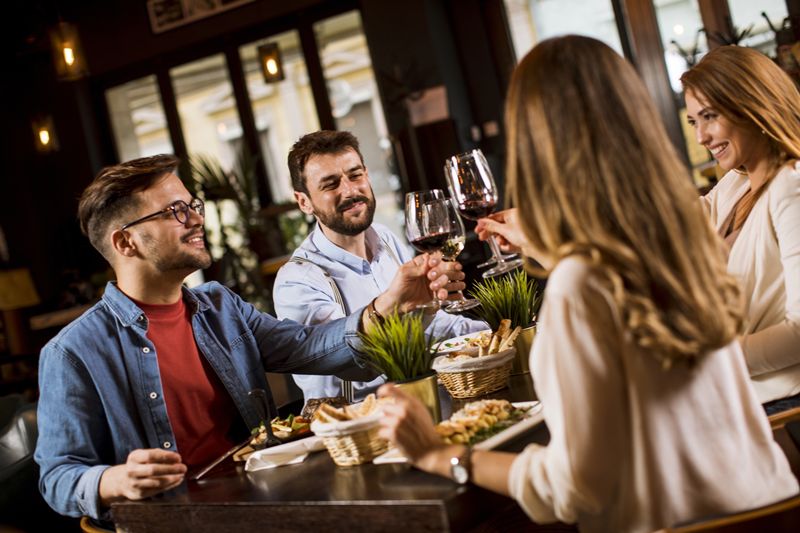
The cost of ordering an alcoholic drink at a bar or restaurant rose faster than overall consumer prices in July, a sign that inflation remains a live issue for the hospitality business even as broader price growth stayed close to the national average.
Data released Wednesday by the U.S. Bureau of Labor Statistics showed that the consumer price index for alcohol away from home increased 3.6% from a year earlier in July. Over the same period, the CPI for all items rose 3.4%.
The difference was small, but it showed that drinks served in bars and restaurants continued to get more expensive at a slightly faster pace than the average basket of goods and services tracked by the federal government. The “alcohol away from home” category refers to beverages purchased for on-premise consumption, including drinks ordered in restaurants, bars and similar venues.
For operators, the figures add to a pricing challenge that has been building across the on-premise business. Bars and restaurants have had to manage higher labor, rent, insurance and ingredient costs in recent years, and beverage programs have been one of the most visible places to adjust prices. A modest rise in menu prices can help protect margins, but repeated increases can also test what customers are willing to pay for a beer, a glass of wine or a cocktail on a night out.
The July reading does not, by itself, show how consumers are responding. CPI data measures price changes, not the number of drinks sold or traffic inside bars and restaurants. Still, the inflation trend matters for the beverage industry because the on-premise channel plays an important role in how consumers discover and buy alcohol. If bar and restaurant prices keep moving up faster than general inflation, producers and distributors of beer, wine and spirits may face a more delicate balance between protecting revenue and keeping demand from softening.
That matters especially for suppliers that depend on restaurants and bars to introduce new products, build premium brands and sustain higher-margin sales. When menu prices climb, some guests trade down, skip an extra round or choose to drink at home instead. That can affect wholesale orders, promotional plans and pricing strategy across the alcohol business, even if the pressure is uneven from one market to another.
The July data also suggests that inflation in drinking establishments is not moving in lockstep with the broader economy. Overall consumer inflation was 3.4% in July, according to the Bureau of Labor Statistics, while the bar-and-restaurant alcohol category was 0.2 percentage point higher. That gap is not dramatic, but in a business built on volume and repeat visits, even small pricing differences can matter over time.
Restaurant operators often rely on beverage sales to support profitability because drinks can carry stronger margins than food. But those margins are sensitive to cost increases in spirits, wine, beer, mixers, glassware and labor. If operators raise prices too slowly, profit can narrow. If they raise them too quickly, they risk pushback from customers who are already watching spending more closely.
For breweries, wineries and distillers, the on-premise environment is also an important showcase. Consumers are more likely to try an unfamiliar craft beer, a new varietal or a higher-end spirit when it appears on a menu or is recommended by staff. If inflation pushes more venues to simplify beverage lists, reduce inventory or emphasize safer, faster-selling items, smaller brands could find it harder to win placements.
The federal data did not break out which parts of the alcohol menu were driving the increase, and it did not attribute the rise to any single factor. The CPI reflects final prices paid by consumers, so it can capture a mix of pressures, including higher operating costs, supplier price increases and pricing decisions by restaurants and bars themselves.
The report arrives at a time when hospitality businesses are still trying to judge how much pricing power they really have. Consumers have continued to spend on dining out and social occasions, but many operators say guests are more selective than they were during the first phase of the post-pandemic rebound. In that environment, a higher price for alcohol away from home can be both a tool and a risk: a tool for recovering costs, and a risk if it changes behavior.
The latest figures are likely to be watched closely by beverage executives, distributors and restaurant groups as they plan for the fall selling season. If inflation in bars and restaurants stays above the overall rate, companies may need to fine-tune pricing, promotions and product mix more carefully, particularly in categories where consumers have clear lower-cost substitutes at retail or at home.
The Bureau of Labor Statistics will continue to update the data monthly, giving the alcohol and hospitality industries a closely watched measure of whether the cost of going out for a drink is still rising faster than the rest of the economy.
