Catalonia begins its earliest cava harvest on record
Dry weather cut yields, lifting grape demand, keeping grower income near 100 million euros, the Cava D.O. said.
Friday, August 14, 2026
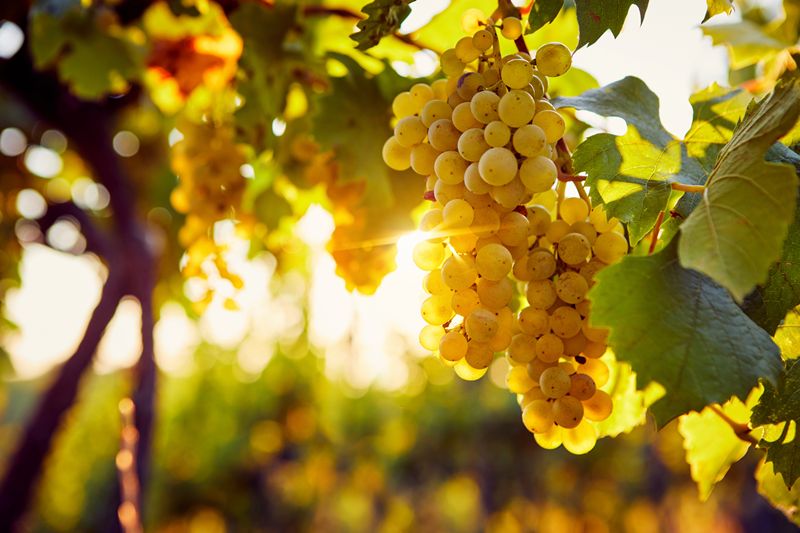
Catalonia’s 2026 cava grape harvest has started earlier than ever, and the outlook for growers is better than many in the sector had expected. The Cava D.O., the regulatory body for the Spanish sparkling wine appellation, said this season’s grape purchases should bring in about 100 million euros for Catalan winegrowers, roughly in line with last year’s total.
The harvest matters far beyond the wineries. The Cava D.O. said grape sales are the main source of farm income in Penedès, Anoia, Garraf and other producing areas tied to cava, and that the activity affects more than 6,200 grower families across the region.
In a statement, the regulator said wineries will generally keep grape purchase prices at last year’s levels for both Cava de Guarda, which must age for at least nine months, and Guarda Superior, which requires a minimum of 18 months of aging. The group said that at fully integrated wineries, which handle the full winemaking process on their own estates, prices can reach as much as 1 euro per kilogram for hand-harvested organic grapes.
That price level reflects a market that has changed from what producers feared earlier in the season. According to the Cava D.O., early forecasts had pointed to a production surplus of around 30%. But the lack of rain over the past six weeks reduced vineyard yields, which in turn led wineries to buy more grapes than first expected. That shift has helped support prices during a harvest that opens under dry conditions.
Organic farming continues to gain ground in the appellation. The Cava D.O. said organic vineyards now account for nearly 60% of total production, a figure that shows how quickly the category has expanded in one of Spain’s largest and most export-driven wine sectors.
Marta Vidal, the president of the Cava D.O., is entering her first harvest in the role. In remarks released by the regulator, she said cava is central to keeping vineyards in production in the region and to creating wines that can carry those vineyard sites into international markets. She also said the industry is trying to protect both growers and producers by paying more for quality and by adopting measures aimed at keeping climate swings from falling most heavily on those least able to absorb the financial hit.
Vidal said the sector is also working toward what she described as a value pact for vineyards, with clearer information and more transparent contracts for growers. The regulator framed that effort as especially important in a business of its size. It says the cava industry supports 12,000 jobs, relies on 6,200 grower families and sells 190 million bottles a year.
Even with the steady grape prices and expected 100 million euro injection into vineyard incomes, the wider market remains under pressure. The sector reported 2 billion euros in revenue last year from bottle sales in about 150 countries, but that represented a 10% drop in value and a 12.8% decline in volume from the previous year. The appellation has attributed most of that setback to drought, while also pointing to shifts in consumer behavior.
Those sales figures underscore the tension in the current campaign. On one side, grape demand appears firmer than expected after dry weather trimmed yields. On the other, wineries are still operating in a market that sold fewer bottles last year and brought in less money overall. That leaves the harvest as a key test for how much the sector can stabilize grower income while facing weaker sales and a climate that is making harvest timing less predictable.
The earlier start to picking is one of the clearest signs of that pressure. Mediterranean wine regions have become more used to advanced harvest dates after years of heat and water stress, but the 2026 cava campaign is being described by the regulator as the earliest on record. For growers, that changes labor planning, ripeness decisions and the pace at which fruit must be brought into wineries. For buyers, it sharpens the need to secure grapes quickly in a season when lower yields have already reduced the expected surplus.
The Cava D.O. based its price calculations on information representing about 70% of the market. That makes the 100 million euro estimate an industrywide projection rather than a final tally, but it offers one of the clearest early measures of how this year’s harvest may affect rural incomes in Catalonia.
The economic importance of that money is especially strong in the counties where cava dominates local agriculture. In those areas, the harvest is not only a wine event but a major seasonal transfer of income from wineries to farming households. With organic fruit taking a larger share of production and hand-harvested organic grapes fetching the highest prices, the quality and farming model of the vineyard are becoming more important to what growers can earn from each kilogram they deliver.