Britain’s Independent Brewers Launch Campaign to Cut Tax on Beer Sold on Tap
SIBA wants the current 13.9% draught duty discount raised to 30% or more before the Oct. 28 budget.
Tuesday, September 1, 2026
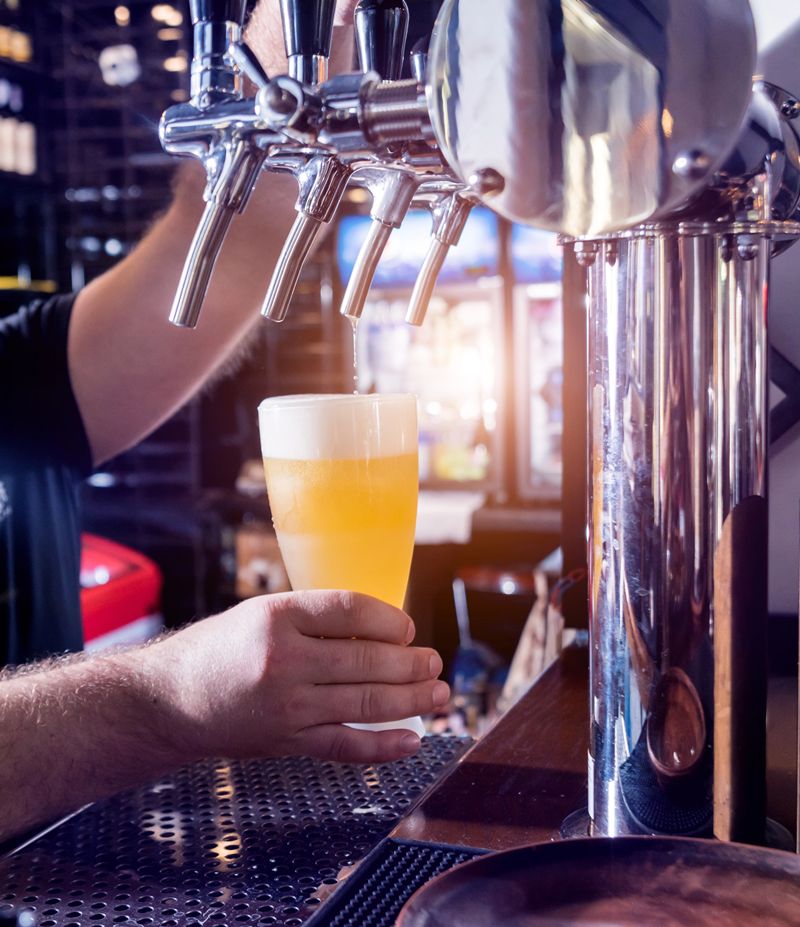
Britain’s independent brewers on Tuesday launched a national campaign urging Chancellor Rachel Reeves to cut the tax charged on beer sold on tap in pubs, arguing that a larger tax break for draught beer is needed to ease pressure on local pubs and small breweries before the Autumn Budget on Oct. 28.
The campaign, called “Drop the Tap Tax,” is being led by the Society of Independent Brewers and Associates, or SIBA. The trade group is asking pub customers, brewers and other supporters to sign a petition and contact their members of Parliament in an effort to push the Treasury to expand a tax mechanism known as Draught Relief.
Under the current system, draught beer sold in pubs receives a 13.9% duty discount compared with other alcohol products. SIBA said that widening that differential to 30% or more would lower the tax burden on beer sold through hand pulls and keg taps and could help pubs and breweries protect jobs and increase sales.
The appeal comes at a difficult time for the British beer trade. Andy Slee, SIBA’s chief executive, said 137 breweries closed last year and that at the start of this year pubs were shutting at a rate of two a day. He said many businesses had reached a breaking point and that a targeted tax cut in the next budget would provide what he called “a real boost” to community pubs and independent brewers.
The request is focused on beer sold in the on-trade, where price pressures have become a central issue for the drinks business. If the government were to increase Draught Relief, it could lower costs on pints served in pubs and taprooms, with possible effects on menu prices, customer demand and the viability of smaller producers that depend heavily on local pub sales. For independent brewers, that matters because the pub remains a key route to market at a time when margins are tight across hospitality.
SIBA said seven out of 10 pints brewed by independent producers are sold either directly in brewery taprooms or in local pubs within 40 miles of the brewery. That makes the level of duty on draught beer especially important for small brewers, which tend to have less exposure to national supermarket chains and less room to absorb rising costs than larger drinks companies.
Anthony Hughes, SIBA’s chairman and the founder of Lincoln Green Brewing Company, said beer makes up about 60% of all drinks sold in pubs. He argued that lowering the tax on pub beer would help support economic activity in local communities, especially in venues where beer remains the core product and one of the main reasons customers visit.
The campaign also reflects a broader tension in British alcohol policy. Successive governments have used differential duty rates to shape consumer behavior and support specific parts of the hospitality industry, but producers and pub operators have argued that the existing relief is too small to offset energy costs, wage increases and weaker consumer spending. SIBA’s proposal seeks to make draught beer a clearer priority within that system by widening the gap between pub-served beer and other taxed alcohol sales.
The Treasury has not announced any change to Draught Relief ahead of the budget, and SIBA’s proposal remains a lobbying effort rather than a government measure. Still, the timing is significant. Autumn budget decisions can reset duty levels across the drinks sector, and an increase in relief for draught beer would be closely watched not only by brewers and publicans but also by other beverage businesses with exposure to pub trade pricing and traffic.
SIBA said supporters can sign the petition through the campaign website and use the platform to email their local lawmakers. The group is also providing posters and social media materials for pubs, breweries and hospitality venues as it tries to build pressure on the government in the weeks before the Oct. 28 budget.