Wildfires Threaten Bordeaux Vineyards During a Critical Growing Period
Smoke exposure and damaged infrastructure raise fears over grape quality, harvest losses and wider disruption across the region’s wine economy
Wednesday, July 29, 2026
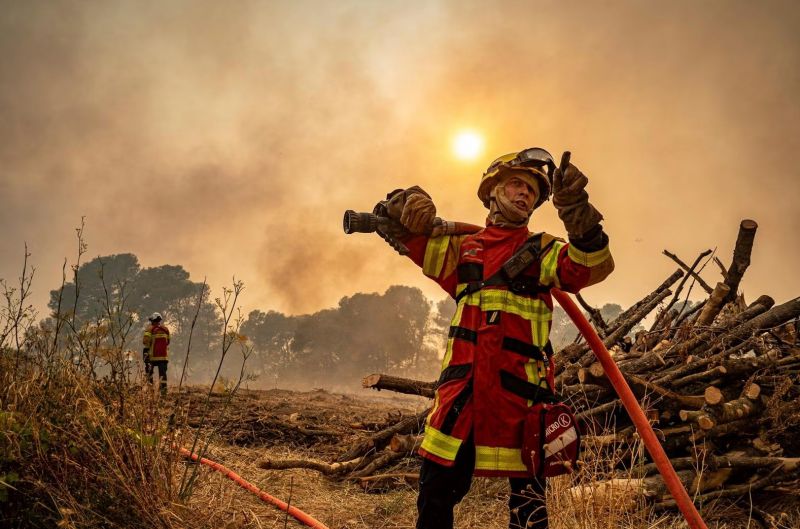
Wildfires burning in Gironde near Bordeaux are adding new pressure to one of France’s most important wine regions at a sensitive point in the growing season, raising concerns about grape quality, vineyard operations and the broader local economy tied to wine.
The fires this summer have burned tens of thousands of hectares of forest in the area around Bordeaux and have threatened vineyards in a region known worldwide for wine production. Producers are now dealing with the immediate risk from flames and heat, while also trying to measure possible damage from smoke exposure that may not be fully visible until harvest and vinification.
Michel Dupont, a winemaker in the Bordeaux region, said the timing has been especially difficult because vines are at a delicate stage of development. He said smoke and extreme heat could leave lasting effects on the grapes and alter the character of this year’s wines.
Specialists have long warned about smoke taint, a condition in which grapes absorb compounds from wildfire smoke. That can affect aroma and flavor and create unwanted notes that are difficult to correct later in the winemaking process. The problem is not limited to parcels touched by fire. Vineyards that remain physically intact can still be exposed to smoke, making it harder for growers and merchants to estimate losses early.
That uncertainty matters well beyond the vineyard rows. Bordeaux is a major center for wine exports, tourism and agricultural employment, and any disruption can ripple through the beverage trade. If yields fall, if quality is uneven or if transport is delayed, the effects could reach harvest schedules, cellar work, logistics and pricing expectations in international markets. A slowdown in wine tourism could also weigh on tasting rooms, restaurants, hotels and related businesses during a period when many depend on seasonal visitors.
Local infrastructure has already been affected by the fires, complicating day-to-day work in vineyards and making it harder to move supplies and finished wine. For producers, that means added strain at a time when vineyard management requires close monitoring. Access roads, labor movement and transport planning can all become more difficult when emergency conditions persist.
Authorities have begun support efforts for wine producers, including emergency grants and assistance for replanting where needed. Those measures are aimed at helping estates recover from direct damage while preserving activity in a region where wine remains both an economic engine and a cultural symbol.
The fires come as French wine producers are already facing broader pressures linked to climate change and weaker economic conditions. In recent years, growers across several regions have had to manage heat spikes, drought risk and other weather extremes that can affect yields and style. In Bordeaux, another severe fire season adds to concerns about how often such events may threaten vineyards in the future and what new costs producers may face to protect them.
That is pushing more attention toward prevention and adaptation. Industry professionals and public officials are expected to focus on fire-resistant land management, emergency planning and vineyard practices designed to reduce future risk. Even so, the scale of this year’s impact will take time to assess.
For now, growers are waiting for harvest data and later tastings to understand how much fruit was lost, how much smoke exposure affected quality and whether some wines may need to be downgraded or diverted. In a region where reputation plays a central role in demand, even limited damage can carry commercial consequences if buyers become cautious.
The outcome will matter not only for individual estates but also for merchants, distributors and hospitality businesses linked to Bordeaux wine. With flames threatening production, logistics and tourism at once, the fires have become another test for an industry already under strain.