Australia’s 2026 Grape Harvest Fell to Its Lowest Level Since 2000
White grapes overtook red varieties after flooding and weaker demand pushed producers to cut output sharply.
Monday, July 27, 2026
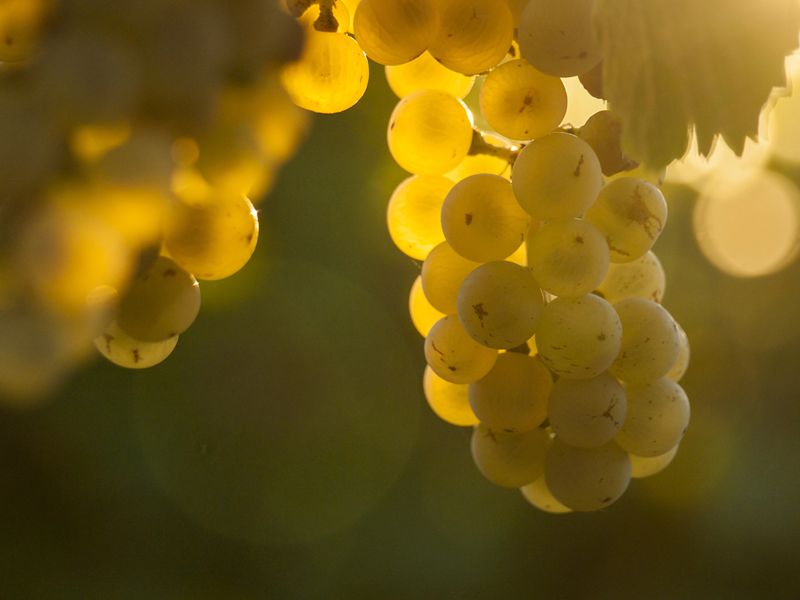
Australia’s 2026 grape harvest fell to its lowest level since 2000, with white wine grapes overtaking red varieties in total volume, according to Wine Australia’s National Vintage Report 2026 released last week.
The report estimates the 2026 crush at 1.27 million metric tons, down 19% from 2025 and 25% below the 10-year average of 1.69 million tons for 2016 through 2025. Total grape volume was lower by 306,334 tons from a year earlier, and red varieties accounted for about 80% of that decline.
The shift marks a sharp reversal from 2025, when harvest volumes had risen by 167,924 tons, largely driven by red grapes. In 2026, grapes for red wine dropped by 243,560 tons, or 29%, after posting a 21% increase the year before. Red grape volume is now estimated at 596,226 tons, also the lowest level since 2000.
White grape volumes also declined, but less sharply. They fell 9% to 669,445 tons, enough to move ahead of red grapes and represent 53% of the total 2026 harvest, up from 47% in 2025. Wine Australia said this is only the second time since 2014 that white varieties have made up the majority of the crush, although the white grape total still stands 14% below the decade average.
The total value of the 2026 harvest is estimated at A$837 million. The figures point to a wine sector under pressure from both climate conditions and changing consumer demand. Wine Australia said seasonal problems, including flooding in inland regions, hurt production. But it also said the main reason for lower processing volumes was a deliberate adjustment by producers responding to market conditions.
Peter Bailey, manager of market insights at Wine Australia, said Australia has now recorded four straight vintages below the long-term average, a pattern that suggests a deeper reset in how much fruit growers and wineries need to meet global demand. He said demand for red grapes in Australia has weakened more than demand for white grapes.
Bailey said current domestic and export sales of Australian wine amount to about one billion liters, equivalent to roughly 1.4 million tons of grapes. He added that this level could likely be supplied with less than 100,000 hectares of vineyards, or about two-thirds of what Wine Australia estimates is the country’s current supply base.
That assessment points to a structural change rather than a single weak season. For growers, especially those focused on red varieties, the latest numbers may add pressure to replant, remove acreage or shift contracts as wineries try to better match supply with sales. For wineries and beverage buyers, the smaller crop and the stronger relative position of white grapes could influence sourcing decisions, product mix and pricing over the coming months, particularly in categories tied to Australian Chardonnay, Sauvignon Blanc and other white wines.
The report also suggests that climate risk and market demand are now working together to reshape Australia’s vineyard map. Flooding reduced yields in some inland areas, while softer appetite for red wine continued to weigh on production decisions. The result is a harvest that is not only smaller than usual but also different in composition.
Wine Australia said a completed National Vineyard Register should help the industry make better decisions about future planting and supply. Bailey said better data would allow producers to make changes that align vineyard output more closely with demand in both domestic and overseas markets.
For importers, distributors and retailers in major wine markets, including the United States, the Australian figures offer an early signal about future availability and style balance from one of the world’s largest exporting countries. A sustained reduction in red grape supply could eventually narrow offerings in some segments, while the larger share held by white grapes may reinforce an ongoing shift in consumer-facing portfolios.
The numbers arrive as producers in Europe prepare for their own 2026 harvests, underscoring how closely global wine markets are watching supply trends across major regions. In Australia’s case, the latest vintage shows a sector adjusting not only to difficult weather but also to a lasting change in what consumers are buying.