Wetherspoon Founder Urges U.K. to Freeze Alcohol Duty
Tim Martin said another increase in the next budget would intensify pressure on pubs already facing rising costs.
2026-09-09
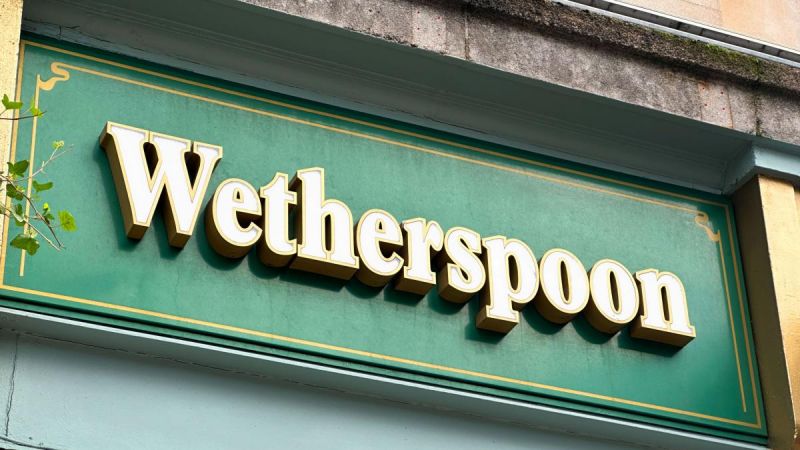
JD Wetherspoon founder and chairman Sir Tim Martin has urged the UK government to freeze alcohol duty in the next Budget, saying another rise would add to the pressure on pubs already facing higher tax, labor, energy and food costs.
Martin made the appeal in comments reported by The Morning Advertiser and first given to The Telegraph. He called on Prime Minister Andy Burnham and Chancellor John Healey to hold duty on beer, wine and spirits at current levels and to address what he described as an uneven tax burden between pubs and supermarkets. According to the reports, Martin said a decision not to raise excise duty would show the government was “serious about helping pubs.”
His warning comes after alcohol duty rose in line with inflation in February, following the previous chancellor’s decision not to announce a freeze at the Autumn Budget. That increase followed earlier confusion over government claims of a 1p cut to draught duty. The Treasury later told The Morning Advertiser that the 1p figure referred to a February 2025 change, while alcohol duty was still due to rise in cash terms from February 2026.
Martin said pubs are more exposed than supermarkets when alcohol taxes rise because drink sales make up a larger share of pub revenue. He also repeated a long-running argument that pubs operate at a tax disadvantage because they pay 20% VAT on food and drink sales, while supermarkets pay no VAT on most food and can use that gap to keep alcohol prices lower. He said his position was not anti-supermarket, but a call for equal treatment.
The intervention comes as JD Wetherspoon prepares to cut food and drink prices by 7.5% for one day on Thursday, September 17, as part of its annual Tax Equality Day campaign. In Scotland, the offer will apply only to food and non-alcoholic drinks because of local licensing rules. The company has said the campaign is meant to show what a permanent VAT reduction for hospitality could mean for prices. Martin has been calling for VAT on hospitality to be reduced to 12.5%, arguing that a lower rate would help pubs, bars and restaurants invest, create jobs and avoid closures.
The debate is being watched closely across the wider drinks business ahead of the Budget next month. Any freeze on duty for beer, wine and spirits could affect pricing and margin assumptions across pubs, bars and restaurants, while also shaping cost planning for brewers, wineries, distillers, importers and wholesalers. Because duty is built into shelf and bar prices, even a decision to hold rates steady can matter across the supply chain after a period of rising operating costs.
Pressure on the Treasury is not coming only from pub operators. In a budget submission published Wednesday, the Scotch Whisky Association called for a cut in excise duty on spirits in the October Budget. The group said the government should correct what it described as a growing tax disparity between spirits and other alcohol categories such as beer and cider.
Mark Kent, chief executive of the Scotch Whisky Association, said the current structure had contributed to weaker business confidence and argued that a duty cut would support investment in production and in supply chains across Scotland and the rest of the UK. He also said a lower rate would help the industry meet export demand in markets including India, the United States and China. Those claims reflect the industry group’s position, and the government has not signaled that it is ready to make the change.
Taken together, the appeals from JD Wetherspoon and the whisky industry show that different parts of the alcohol and hospitality sectors are trying to shape the same fiscal debate, though they are not asking for exactly the same outcome. Martin is calling for a freeze across beer, wine and spirits, while the whisky trade body is pushing for a cut to spirits duty.
A Treasury spokesperson told The Telegraph that the chancellor was focused on priorities including boosting business, helping with the cost of living and supporting people “in every postcode.” The spokesperson added that, as usual, tax decisions would be announced at fiscal events rather than through comment on “rumour, speculation or proposals.”
Trade bodies across hospitality are expected to keep pressing ministers before the Budget on a wider list of issues beyond alcohol duty, including VAT, business rates, employer national insurance, energy costs and regulation. For pubs in particular, Martin’s argument is that duty policy cannot be separated from those other pressures, because even a modest increase on alcohol can feed directly into customer prices at a time when many operators say demand remains fragile.
