Aevum Rejects Sazerac’s €5.55 Bid for Berentzen
The 10% shareholder said the offer undervalues the German distiller, potentially complicating Sazerac’s effort to win majority support.
Friday, October 2, 2026
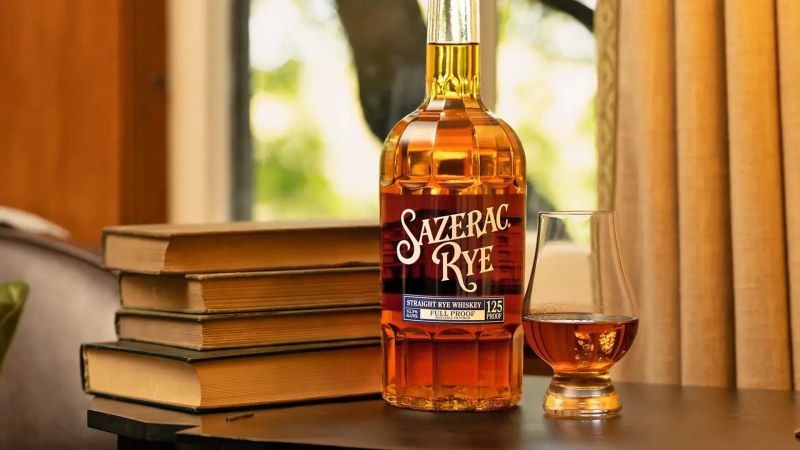
Berentzen-Gruppe AG is facing resistance from a major shareholder after agreeing to sell itself to U.S. drinks company Sazerac Co., with Swiss pension fund Aevum saying the offer price is too low and does not reflect the German distiller’s value.
Aevum, Berentzen’s third-largest shareholder, said it will not accept Sazerac’s offer of €5.55 a share, according to a spokesperson cited by Bloomberg on Thursday. The fund, which holds about 10% of the company, also is considering increasing that stake, the spokesperson said.
The position matters because Sazerac’s offer still needs enough investor support to succeed. The bid is subject to a minimum acceptance threshold of 50% plus one share. Any organized resistance from a large holder could complicate that process, even though Berentzen’s management and supervisory board have backed the deal.
Berentzen shares rose 1.4% Thursday in Frankfurt to €5.74, above the offer price, leaving the company with a market value of about €55 million. Trading above the bid can signal that some investors believe either a higher price could emerge or that the market sees value beyond the current terms.
Sazerac, best known as the maker of Southern Comfort and a large private spirits group in the United States, said again that it views the proposal as compelling. A company spokeswoman described the €5.55 offer as “very attractive” and said Berentzen would gain a long-term family owner prepared to invest in expansion. She added that Sazerac wants to use Berentzen as the base for its European business.
Representatives for Berentzen did not immediately respond to a request for comment, according to Bloomberg.
The dispute centers on whether the premium offered by Sazerac is enough. The company’s bid represents about a 70% premium to Berentzen’s share price before Bloomberg first reported the deal last month. That is a significant uplift by normal takeover standards, but Aevum argues it still undervalues the business.
Analysts at Montega AG have also said the bid sits below what they view as Berentzen’s fundamental fair value, which they estimate at €7 a share. Even so, the analysts said the premium remains attractive and that they still expect the transaction to go through. In a note, they wrote that they do not see short-term price potential beyond the offer price, downgraded the stock to hold from buy, and set a target price of €5.55 in line with the bid.
That combination of views captures the tension around the sale. Some investors and analysts see strategic logic and a solid premium. Others believe Sazerac is trying to buy a branded European spirits business too cheaply at a time when valuations across the alcohol sector have come under pressure.
Berentzen is based near Germany’s western border with the Netherlands and traces its origins to the mid-18th century. The company is known for spirits including Berentzen Apfelkorn, Puschkin Vodka, Hansen Rum and Doornkaat, a grain-based liquor. It also makes non-alcoholic beverages, giving the group a broader product base than many smaller regional distillers.
For the beverage industry, the standoff is important because it highlights the pricing strain in European spirits dealmaking. Global drinks companies have been looking for ways to expand or reshape their portfolios, but weak consumer demand in alcohol has made buyers cautious and sellers more sensitive to valuation. If shareholders push back successfully at Berentzen, it could affect how future bids for midsized liquor producers are priced and how aggressively acquirers pursue consolidation.
Sazerac has been expanding during a difficult period for the industry. Spirits makers and broader alcohol groups have been dealing with slower consumption, especially in some developed markets, and many companies are trying to streamline their portfolios or improve distribution rather than rely only on volume growth. Buyers with strong balance sheets may see an opening to pick up brands and platforms at lower prices, while target shareholders may argue that temporary market weakness should not determine long-term value.
Sazerac recently completed its acquisition of UK-based spirits producer Au Vodka. Earlier this year, an unsolicited $15 billion takeover approach for Jack Daniel’s owner Brown-Forman Corp. was rejected. Bloomberg had previously reported that the Brown family preferred a possible transaction with Pernod Ricard SA, but those talks later broke down.
Against that backdrop, the Berentzen deal is being watched as another test of how far strategic buyers can go in Europe’s fragmented spirits market. Berentzen is much smaller than the global groups, but it offers established brands, production capabilities and a foothold in a major European economy. For Sazerac, that makes the company more than a simple brand purchase. It is part of a broader effort to build out its presence across the region.
For Aevum, the issue appears to be price rather than opposition to a sale itself. The fund’s willingness to speak publicly is notable because, according to its spokesperson, it does not usually comment on takeover situations. Its statement may encourage other shareholders to review whether the current premium is enough, especially with the stock already trading above the formal offer.
The coming weeks will show whether Sazerac can win over enough investors without improving the terms, or whether public resistance from a top shareholder forces a reassessment of the bid.