British cask beer sales fell 19.7% in pubs over the past year
Revenue dropped 7.4% despite higher prices. The category also lost about 2,100 points of sale.
Thursday, September 17, 2026

Views › 2116
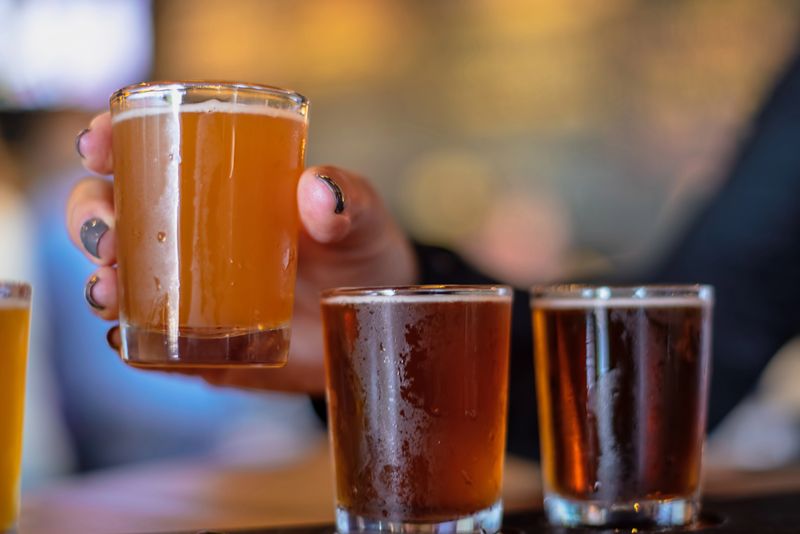
British cask beer sales in pubs, bars, and other hospitality venues fell sharply over the past year, with volume dropping 19.7% to 979,000 hectoliters in the 12 months through August, according to NIQ on-trade OPM data reported by The Morning Advertiser. Based on rounded figures, that means the category lost about 240,000 hectoliters from the comparable period a year earlier, when sales were roughly 1.22 million hectoliters.
The decline was much steeper than the broader draft beer market. Total draft beer volume in the U.K. on-trade fell 3.9% over the same period, leaving cask beer about 15.8 percentage points worse than the wider segment. The figures point to a category that is losing physical sales much faster than the rest of the beer market, even as it remains closely tied to the identity of British pubs.
Sales by value held up better than volume, but they also moved lower. Cask beer revenue fell 7.4% to £805 million during the 12-month period, a drop of about £64 million based on rounded comparisons. The smaller decline in value than in volume reflects rising prices rather than stronger demand. The average price per liter reached £8.22, up 15.2% from a year earlier, or roughly £1.08 more per liter. That 12.3 percentage point gap between the change in value and the change in volume shows how much higher prices softened the financial impact of weaker sales.
The pricing data are nominal and do not adjust for inflation. They also reflect a mix of factors beyond menu price increases, including brand mix, product formats, and the types of venues still selling cask. Even so, the figures show that consumers are paying more for cask at a time when fewer liters are being sold.
Distribution remains another major pressure point. NIQ data showed cask was available in 24,000 outlets in the period through August, down 8.2% from a year earlier. Using rounded figures, that implies the loss of about 2,100 points of sale. Fewer pubs and bars carrying cask limits the category’s visibility and makes it harder to recover volume, especially in a market where consumer habits have already shifted over several years.
The latest numbers suggest that the cask category is being squeezed by a combination of weaker demand, higher prices, and declining availability. While cask value has proved more resilient than volume, the overall picture is one of contraction. The Morning Advertiser said the data underline concerns about the long-term viability of a category that has long been seen as a defining part of the British pub trade.
The pressure is not uniform across all brands. Larger cask brands have generally proved more resilient than the category as a whole, according to the report. Timothy Taylor’s Landlord and Fuller’s London Pride have broadly maintained volumes, helped by improved distribution and stronger productivity in the outlets where they are stocked. By contrast, Doom Bar and Greene King Abbot Ale have continued to post notable declines in both volume and distribution.
The wider context is a category that has been trying to attract new drinkers after years of decline. Industry voices cited by The Morning Advertiser said Gen Z adults and younger millennials, broadly people ages 18 to 35, are showing more interest in cask at the bar, with established brands among the fastest-growing names in the segment. That trend offers some support for the idea that cask can still find a broader audience, but the latest market data show that any gains with younger consumers have not yet reversed the category’s overall slide.
The report also said cask performs especially well in food-led pubs. In those venues, it accounted for 12.5% of beer spending, compared with 7.4% of draft beer sales by value across the market. That suggests cask may have a stronger role in parts of the pub trade where customers spend more time in venue and are more likely to pair drinks with meals, rather than in outlets driven mainly by high-volume, fast-turnover drinking occasions.
Operators also pointed to education as a barrier to growth. A lack of awareness about what cask is and how it differs from other beer styles continues to limit uptake, especially among younger adults who did not grow up with the category as a normal part of the pub experience. That issue matters because cask often depends on some product knowledge at the point of sale, including serving conditions, freshness, and differences from keg beer or packaged products.
The latest annual figures also include a weaker comparison against earlier periods, not just against last year. The Morning Advertiser said cask volume was down 10.4% from two years earlier, while value was 3.1% lower on that basis. Those numbers suggest the category’s challenges are not limited to one difficult year but are part of a longer pattern.
At the same time, some pubs that continue to offer cask have been getting slightly more value from it. The report said rate of sale increased 0.8% in 2025 and 2.1% over two years in outlets still stocking the category. That indicates a smaller base of remaining sellers may be extracting more value from cask, even as the total market shrinks and distribution falls. For the industry, that creates a split picture: cask can still work in the right pub, with the right brands and customers, but its footprint across the market is getting smaller.
The figures were published at a time when pub operators and brewers are dealing with higher operating costs and continued pressure on consumer spending. In that environment, a beer style that relies heavily on pub service, regular turnover, and trained staff faces more challenges than products with broader distribution or simpler handling requirements. The latest NIQ data suggest those pressures are now showing up clearly in sales volumes, revenues, pricing, and the number of venues still willing or able to keep cask on the bar.