India seeks to resolve Scotch whisky tariff dispute within days
Customs released more than 80 containers on bond after some bulk imports were charged 162.5% under a classification dispute
Tuesday, November 24, 2026

Views › 434
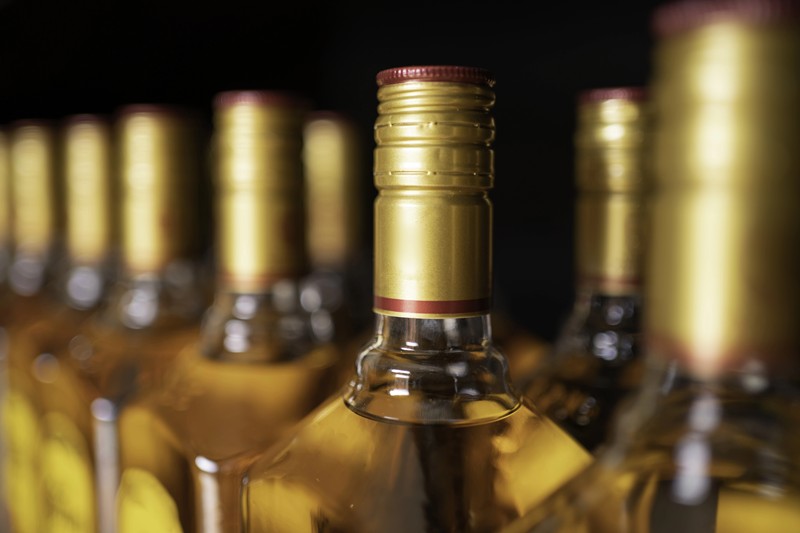
India is working to resolve a dispute over tariffs on bulk Scotch whisky imports after the United Kingdom raised concerns that Indian customs were charging far more than the 75% rate set out in the two countries’ trade agreement.
On Monday, November 23, Commerce Secretary Rajesh Agrawal said Indian officials expected a solution within days and that consignments held up at ports had been released through the customs process after importers furnished bonds. He said the government was seeking legal advice while trying to stay consistent with court rulings in India and with New Delhi’s commitments under the trade pact.
The dispute has emerged as one of the first significant tests of the India-UK trade agreement, which took effect in July and cut tariffs on Scotch whisky to 75%. According to Reuters, India is now imposing an effective duty of 162.5% on some bulk Scotch imports, turning a reduction that was promoted as a major gain for British exporters into a source of friction between the two governments.
At the center of the dispute is customs classification. Indian authorities have argued that some companies are using the wrong tariff category for bulk Scotch concentrates imported into India. Officials view those imports as raw materials used to make products such as blended whiskies, and the government’s position is that they may not qualify for the lower 75% tariff available under the trade deal.
Agrawal said the issue had not been flagged during the negotiations and that differences in interpretation appear to have arisen because of earlier Indian court decisions related to tariff treatment. He said negotiators on both sides were not aware of certain court cases when the agreement was being discussed. He also said the government remained committed to the broader trade pact and was not reconsidering the agreement itself.
Reuters reported that the UK government formally raised the matter with India. Agrawal said trade and finance ministry officials were working on the issue and aiming to resolve it quickly. He said India intended to honor the agreement while also following domestic legal requirements.
The customs dispute had already affected shipments. Agrawal said containers carrying bulk Scotch had been released from Indian ports. Reuters has reported that thousands of liters belonging to Pernod Ricard, Diageo and Bacardi had been stranded in more than 80 shipping containers before that release. Moneycontrol reported that the cargo was allowed out through the customs process against bonds while authorities worked through the classification question.
The case matters well beyond a technical argument over tariff lines. India is one of the world’s largest spirits markets, and imported bulk Scotch is used by major drinks companies to blend and produce brands sold across the country. Any change in classification can alter import costs, pricing and supply planning for distillers and bottlers, and it can also shape how much benefit companies actually receive from the tariff cuts negotiated under the India-UK pact.
That could have implications across the beverage business, especially for companies with large exposure to whisky in India. Lower duties were seen as an opening for global groups and local producers that use imported Scotch in their products. If some imports remain outside the reduced tariff category, expected savings could narrow and supply chains could become less predictable until the rules are clarified.
The agreement had been welcomed by businesses and by Britain in part because it promised easier access for Scotch producers to India’s roughly $65 billion liquor market. Companies such as Pernod Ricard and Diageo import bulk Scotch and blend it in India for popular brands. The present dispute has therefore drawn close attention from both the spirits industry and trade officials because it goes to the practical question of how the deal will be applied at the border.
Agrawal said industry participants and their UK counterparts could have raised the issue during negotiations and sought concessions under the relevant tariff line if they believed it needed separate treatment. That comment suggests the Indian side sees the dispute, at least in part, as a problem created by legal and technical details that were not fully addressed when the agreement was finalized.
For now, the immediate pressure has eased somewhat because the detained cargo has been released. But the broader question remains unresolved: whether bulk Scotch concentrates imported for blending in India should receive the 75% tariff or continue to face a much higher effective duty. The answer will determine how one of the most commercially important parts of the India-UK trade deal operates in practice for the liquor industry.