Jim Beam will keep its Clermont distillery idle through 2027
Suntory said the extended pause is meant to match output to demand, with aging and bottling continuing at the Kentucky site
Tuesday, November 17, 2026

Views › 441
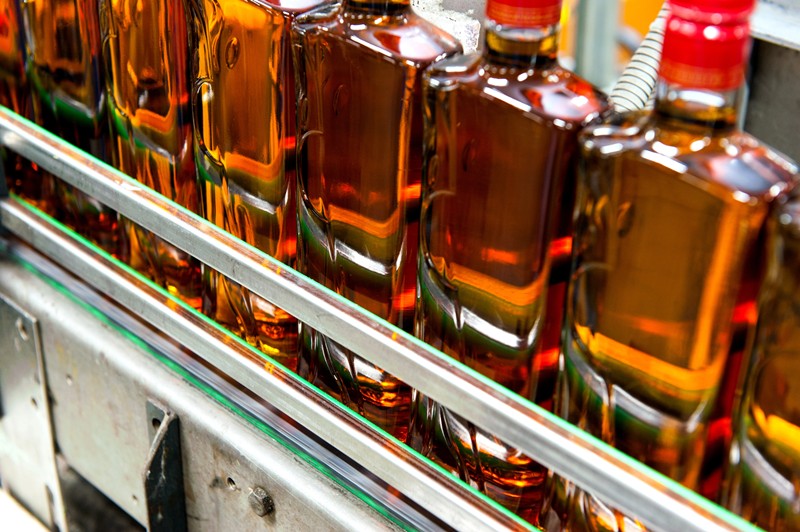
Jim Beam will keep its main Clermont distillery out of active distilling through 2027, extending a production pause that the company said is part of a broader effort to align output with market demand and use its resources more efficiently.
The move, confirmed by Suntory Global Spirits on Monday, November 16, means the company does not expect the site to resume distilling before 2028. Clermont is one of the best-known bourbon production sites in Kentucky and a central facility for several Jim Beam products, making the decision significant for both the company’s operations and the wider American whiskey business.
The company said the production halt is tied to a corporate strategy aimed at balancing capacity with current demand conditions. It also pointed to recent industry changes and supply chain challenges affecting manufacturing in Kentucky. Even with distilling paused, the Clermont campus will not shut down completely. The company said the site will continue to operate at reduced capacity, and that maturation and bottling work in Clermont will continue. Distilling will continue at the Booker Noe campus.
The extended pause shows how large bourbon producers are adjusting after a period of heavy expansion across Kentucky. Distilling companies spent years adding warehouses, stills and bottling lines to meet strong demand for premium American whiskey in the United States and abroad. A decision to keep a flagship distillery offline for another full year suggests producers are now placing more emphasis on managing inventories, controlling costs and timing future output more carefully.
That matters beyond one brand. In spirits, production decisions often have effects that appear years later because bourbon must be aged before sale. A pause in distillation can therefore influence future supply planning, barrel needs, warehousing use and packaging schedules. For the beverage industry, especially suppliers and distributors connected to whiskey, a longer shutdown at a major site can affect capacity assumptions, investment plans and inventory strategies, even if other parts of the company’s network continue to run.
Jim Beam said it will keep evaluating market conditions as it moves through the extended suspension. The company also said it plans to stay in communication with workers and the local community during the period in order to manage the transition with minimal disruption.
The Clermont site has long held an important place in Kentucky bourbon production, and any change there draws attention in a state where distilling is both a major manufacturing activity and a source of tourism. By keeping aging and bottling operations in place, the company is preserving part of that activity in Clermont while shifting the distilling load elsewhere in its system.
The company did not indicate on Monday, November 16, that it was changing its broader presence in Clermont. Instead, the message was that this is an operational adjustment linked to current business conditions and facility work, not a full withdrawal from the site. The company said the pause will continue while it modernizes the facility.
For Kentucky’s spirits sector, the announcement adds to signs that some producers are moving from rapid expansion to a more measured operating stance. That does not necessarily mean weaker long-term confidence in bourbon, but it does show that producers are responding to market signals in real time. When a company the size of Jim Beam decides to keep a major distillery inactive through an additional year, it becomes a closely watched indicator for competitors, contract partners and suppliers across the distilled spirits business.