Chile’s wineries accelerate a restructuring after bottled wine exports fall 5.3%
Producers are selling land, replacing some vineyards with other crops and shifting toward premium bottles to protect margins
Saturday, November 14, 2026

Views › 505
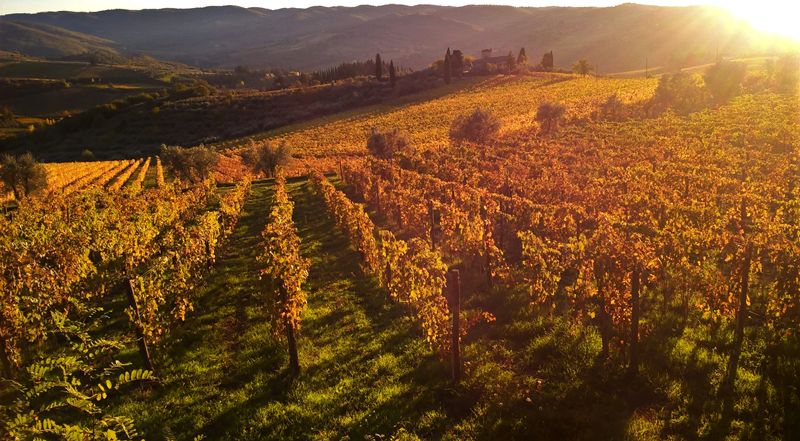
Chile’s wine industry is accelerating a broad restructuring as weaker consumption and falling export sales squeeze profitability, pushing some wineries to sell land, replace vineyards with other crops and move further upmarket.
By September, Chile’s bottled wine exports had fallen 5.3% in volume and 5.2% in value, according to figures cited on Friday, November 13, by Emol and Bloomberg. The declines reflect a market facing slower demand and tighter margins, conditions that are forcing producers to rethink how much land they keep under vines and what kind of business they want to run.
The shift marks a significant change for a country that has long built its wine industry on scale, export reach and competitive pricing. Instead of relying mainly on volume, some producers are responding by cutting back on lower-return operations, disposing of land or converting parts of their estates to more profitable agricultural uses. Others are trying to protect margins by focusing on premium and luxury wines, where higher prices can offset weaker sales volumes.
That change in strategy suggests the pressure is no longer limited to a temporary dip in sales. It is affecting how wineries use capital, manage farmland and position their brands. Land sales can improve cash flow and reduce costs, while replacing vineyards with other crops may offer better returns in areas where wine is no longer the most attractive option. A stronger luxury focus, meanwhile, can help wineries target consumers who remain willing to spend even as broader alcohol demand softens.
The reported drop in exports is notable because Chile is one of the world’s major wine suppliers. When producers in such a large exporting country begin shrinking vineyard area or redirecting output toward higher-end products, the effects can extend beyond local agriculture. Importers, distributors and retailers in foreign markets could eventually face changes in supply mix, pricing and product availability, especially in entry-level and midrange categories where Chile has traditionally been strong.
The changes also matter across the broader drinks business. If Chilean wineries reduce lower-cost production, convert farmland or concentrate more heavily on premium labels, that could alter sourcing costs and shelf positioning for wine buyers and beverage companies that compete in the same channels as beer, spirits and ready-to-drink products. Any effect would depend on how widely the restructuring spreads, but the shift points to possible changes in both supply and market strategy.
The pressure on Chilean wineries comes as wine producers in several countries face a harder selling environment. Demand has weakened in some markets, and the industry has been dealing with changing consumer habits, higher operating costs and tighter competition for discretionary spending. In that setting, a business model built on large volumes becomes harder to sustain when prices do not rise enough to cover rising costs.
For many wineries, moving upscale is a logical response. Premium and luxury wines generally offer better margins, and they can be supported by wine tourism, hospitality and estate-based experiences that diversify revenue beyond bottle sales. That approach, however, also requires investment and may favor producers with stronger brands, better locations or easier access to capital. Smaller or less differentiated wineries may have fewer options, which helps explain why land sales and crop substitution are becoming part of the conversation.
The restructuring also highlights a basic tension in the wine business. Vineyards are long-term assets, but consumer demand can change much faster than the land can be replanted, sold or repurposed. When sales fall for an extended period, wineries have to make decisions that can reshape production for years. Selling acreage or uprooting vines is not just a short-term cost-cutting step. It can permanently reduce capacity and change what a region produces.
For Chile, the challenge is especially important because wine is both an agricultural product and an export industry with global visibility. A prolonged retreat from volume production could support prices and margins for some companies, but it could also reduce the country’s presence in parts of the international market where it has built scale over decades. Whether the current adjustments remain selective or become more widespread will help determine how deeply the downturn changes the shape of Chilean wine.