Spain’s wine and grape must stocks reached 61.58 million hectoliters, a campaign high by late September
Infovi data showed inventories at large producers and storage operators were up 13.8% from a year earlier
Tuesday, November 3, 2026

Views › 1772
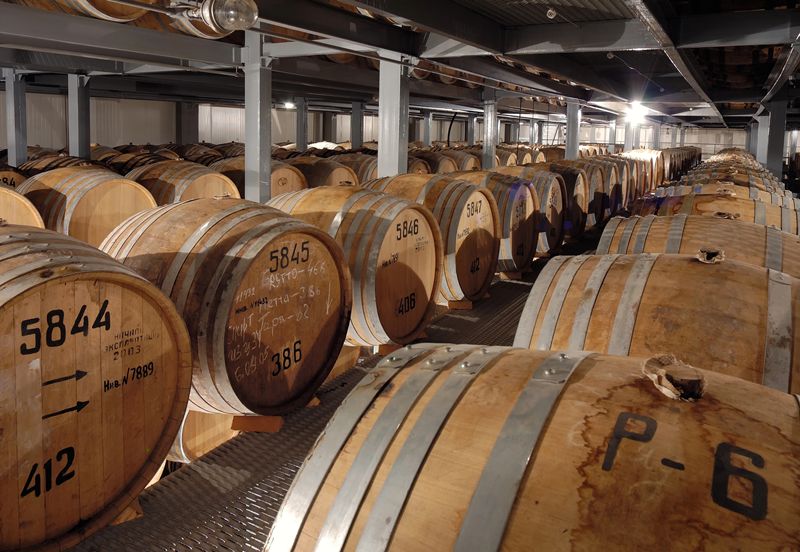
Spanish wine and unconcentrated grape must stocks held by large producers and storage operators rose to 61.58 million hectoliters at the end of September, the highest level of the 2026/27 campaign so far and a 13.8% increase from a year earlier, according to Infovi data reported on Monday, Nov. 2, by La Semana Vitivinícola.
The publication said the increase amounted to 7.47 million hectoliters compared with the same point in the previous campaign. The figures cover large producers with a historical wine output of 1,000 hectoliters or more, along with storage operators, and reflect inventories at the close of the second month of Spain’s new wine marketing year.
Including concentrated must, total stocks stood at 61.82 million hectoliters as of Sept. 30, up 14.25% from the same date a year earlier, according to the same report.
The data point to a larger volume of wine and must available in storage at an early stage of the campaign, a factor that can shape conditions across the beverage market. Higher inventories can support export availability, but they can also raise storage needs and influence price talks between growers, wineries and buyers if the larger supply persists.
La Semana Vitivinícola said the figures came from Infovi, Spain’s wine market information system. The report did not provide a detailed breakdown in the excerpt published, but the headline figures indicate that stocks reached a campaign high by the end of September.
For Spain’s wine sector, stock levels are closely watched because they offer an early signal on supply pressure. When inventories rise at the start of a campaign, producers and traders often pay closer attention to cellar capacity, the pace of domestic sales and exports, and the balance between fresh harvest inflows and outgoing shipments.
The increase in unconcentrated wine and must stocks is especially relevant because those volumes are more directly tied to commercial wine supply and to processing decisions in the months after harvest. A sustained build in inventories can weigh on negotiations in the origin market, while a faster drawdown can ease pressure on storage and pricing.
The report did not indicate any change in methodology in the published extract. It presented the Sept. 30 figures as a year-over-year comparison with the same point of the previous campaign.
Spain is one of the world’s largest wine producers and exporters, so stock movements there are followed beyond the domestic market. Larger inventories can affect the timing of offers to international buyers and the amount of product available for blending, bottling or industrial use, depending on how demand develops through the campaign.