Italian Wines Keep Their Freshness Despite Rising Heat, Report Finds
Gambero Rosso says canopy cover, soil care, flexible harvest timing help growers preserve acidity, balance, aromatic clarity.
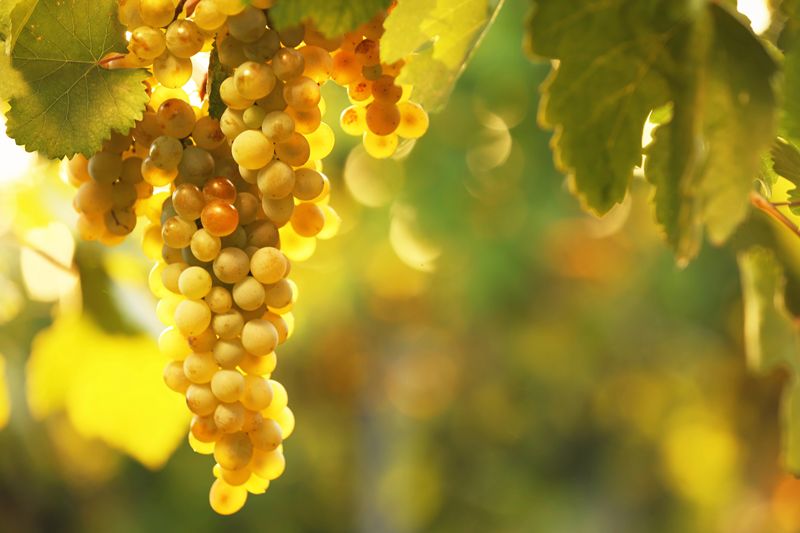
Italian wine growers are confronting hotter summers, drought and faster ripening in the vineyard, but the result in the bottle is not always the heavier, less fresh wine many expected. A recent report by Gambero Rosso says the opposite is now being seen in many cases: even under strong heat, a number of Italian wines are still managing to keep acidity, balance and aromatic clarity.
That runs against a common assumption in wine. Warmer conditions usually push grapes to accumulate sugar more quickly. In simple terms, that often means higher potential alcohol, riper flavors and a greater risk that wines will feel broad or heavy. The same conditions can also shorten the window between technological ripeness and the loss of acidity, making harvest timing more difficult. For years, those pressures have been central to the debate over how climate change is reshaping European wine.
What Gambero Rosso highlights is that vineyard work is proving more important than a simple heat-based forecast of wine style. The article points to the protection of the vine, the canopy and the soil, along with harvest decisions, as the main tools helping producers preserve freshness. The underlying idea is that growers can influence how the plant reacts to extreme weather by limiting stress, slowing imbalance in ripening and keeping fruit exposed in a controlled way rather than letting it overheat.
Canopy management is a central part of that effort. Leaves act as a protective cover for bunches, and their use can affect both sun exposure and grape temperature. In very hot periods, too much exposure can raise the risk of sunburn and rapid dehydration. A more protective canopy can help shield fruit during the hottest hours and reduce the speed at which grapes lose balance. Soil management matters as well, because soils that are healthier and better able to retain moisture can support the vine through dry periods without forcing the plant into severe stress.
Harvest timing is another factor. In a warming climate, waiting for a traditional picking date can become risky if sugar rises faster than phenolic and aromatic maturity. Picking earlier is one possible response, but the broader point in the Gambero Rosso account is that the decision has to be tied to the vineyard’s real condition, not to a fixed calendar. Producers who read the season closely may be better able to keep tension and drinkability in the wine.
The report also suggests that the answer is not mainly to “correct” the wine after the grapes reach the cellar. That distinction matters because it shifts the focus from enological adjustment to field decisions. In practical terms, it means the quality of the final product may depend less on fixing imbalance during vinification and more on avoiding that imbalance in the vineyard in the first place. For growers and winemakers, that can involve more observation, more tailored work parcel by parcel and, in some cases, a rethink of long-standing habits.
The issue carries broader significance for the drinks business because wine style is tied directly to commercial positioning. If producers can keep freshness and aromatic definition even in hotter vintages, they may be better able to defend the identity of appellations, meet consumer demand for more balanced wines and avoid a drift toward uniformly heavier profiles. For wineries, importers and distributors, that could shape decisions on sourcing, pricing and how wines are presented in the market. It also gives practical guidance to producers of still and sparkling wines who need to protect acidity and precision under more volatile growing conditions.
The message is especially relevant in Italy, where wine regions stretch across very different climates and elevations but are all dealing, in varying ways, with the effects of warming. In that context, the discussion is not only about whether temperatures are rising, but about which farming responses are proving effective. Gambero Rosso’s account points to a more nuanced picture than the simple idea that hotter seasons automatically produce heavier wines.
That does not mean the pressure from climate change has eased. Heat and water stress still pose major risks, and accelerated ripening remains a structural problem for many vineyards. But the experience described by Gambero Rosso indicates that the outcome is not predetermined. Vineyard protection, soil care and timely harvest choices can still make a decisive difference in whether a wine keeps freshness or loses it. For a sector trying to adapt without abandoning regional character, that is becoming one of the most important practical lessons in the field.