Hesse says it will oppose Germany’s planned tax increases on sparkling wine, sugar and tobacco.
The pushback threatens to complicate Berlin’s effort to pair a €2.5 billion fuel tax cut with higher consumer levies.
Thursday, September 24, 2026

Views › 2835
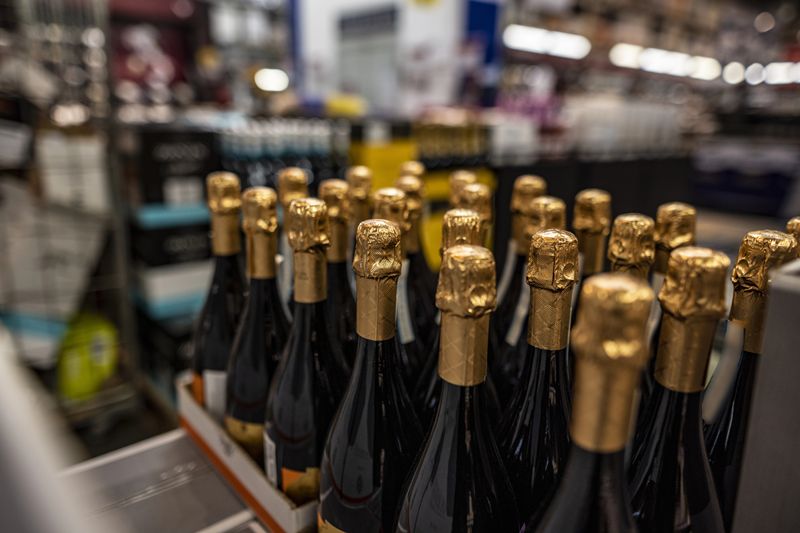
Resistance is building in Germany’s Bundesrat against the federal government’s planned tax increases, with the state of Hesse saying on Thursday it will oppose higher levies that would affect products including sparkling wine, sugar and tobacco.
The dispute comes as Germany’s conservative-Social Democratic coalition tries to combine consumer relief in one area with new revenue in another. The immediate political tension is over timing and message: state governments are being asked to help finance a cut in fuel taxes meant to ease pressure on drivers, while Berlin is also preparing higher taxes on selected consumer goods.
“In the current situation, any kind of tax increase should be rejected, whether on sparkling wine, sugar or tobacco,” Manfred Pentz, Hesse’s minister for federal affairs and a member of the Christian Democratic Union, said in Berlin, according to Reuters. He argued that the government cannot lower costs for consumers at gas stations and then take money back from them at the supermarket.
Pentz said Hesse would make that position clear in the Bundesrat if corresponding proposals that burden consumers are brought forward. His comments point to wider unease among state governments over the coalition’s tax plans, even though not all of the measures face the same legislative hurdles.
Part of the backdrop is a temporary reduction in energy tax designed to lower fuel prices. Germany’s states are due to approve that measure on Friday and to cover half of the cost, which amounts to €2.5 billion over three months. At the same time, the federal government is planning increases in tobacco and sugar taxes to help finance measures in the statutory health insurance system.
The debate over sparkling wine has drawn special attention because of the role of the wine-producing states and because the measure has a narrower path through parliament. According to Reuters, the Bundesrat cannot block the planned increase in the sparkling wine tax on Friday because the measure is classified under German law as an objection bill. That means the chamber representing the states can delay it, but it cannot impose a final stop on its own.
Hesse is coordinating with other wine states, including Baden-Württemberg, Bavaria and Rhineland-Palatinate, which oppose the increase and are acting together with their vintners in mind. Those states are home to large parts of Germany’s wine industry, and regional governments have a direct political interest in shielding producers from higher costs that could weaken sales or add pressure to already tight margins.
That matters beyond politics. A tax increase on sparkling wine can feed through to retail prices, promotional budgets and producer margins, especially for wineries and beverage companies that sell in price-sensitive segments. If the measure goes ahead, it could affect how German sparkling wine is priced against other alcoholic drinks and imported alternatives. Even if the Bundesrat only slows the plan, the uncertainty may still complicate planning for wine producers, wholesalers and retailers heading into future sales periods.
The emerging opposition also shows how fragile support can become when tax policy touches everyday purchases. Pentz’s argument linked the issue directly to household budgets, not only to the wine sector. His criticism put sparkling wine, sugar and tobacco in the same political frame: products that may be taxed more heavily just as the government is trying to show it is easing the cost burden elsewhere.
For the federal government, the case for higher tobacco and sugar taxes is tied to health policy funding. Berlin wants additional money for measures in the public health insurance system, and targeted excise taxes offer a politically familiar way to raise revenue. But state leaders are signaling that even where the federal government has the legal upper hand, it may still face resistance over the economic and political consequences.
The Bundestag and Bundesrat often divide power differently depending on the type of legislation. In this case, that distinction is central. Because the sparkling wine tax measure falls into the category that allows only an objection, the states’ leverage is limited. Still, delay can matter. It can force more debate, raise the political cost for the government and give affected industries more time to lobby against the increase.
The conflict also exposes strains inside the broader fiscal approach being pursued by Berlin. On one side, the coalition is backing a tax cut on fuel and asking states to absorb part of the cost. On the other, it is looking for fresh revenue through higher taxes on products that are easy to target and politically defensible on health grounds. State officials such as Pentz are challenging whether those two messages can be sold together to voters.
Reuters reported that Hesse is taking the lead in organizing the opposition among the wine states. That coordination suggests the resistance is not limited to one regional complaint but is being turned into a collective effort by states with a direct stake in the country’s wine and sparkling wine production.
Friday’s Bundesrat session is expected to test how far that resistance can go. On the fuel tax cut, the states are set to decide on a measure that would split a €2.5 billion burden over three months. On the sparkling wine tax, opponents may not have the votes or legal tools to block the plan outright, but they can still use the chamber to press their case against a policy they say would raise costs for consumers and hit a sensitive part of Germany’s beverage industry.